信用卡 / 簽帳卡
手續費
動態費率
處理時間
通常 1 分鐘內,最長 48 小時
最低購買金額
約 10-15 USD 起
適用地區
視地區、法幣、發卡行及支付通道支援情況而定


了解如何在 LBank 購買Dai (DAI),內容涵蓋信用卡、簽帳金融卡、Apple Pay 與銀行轉帳等支付方式,以及購買流程、準備事項與常見問題。

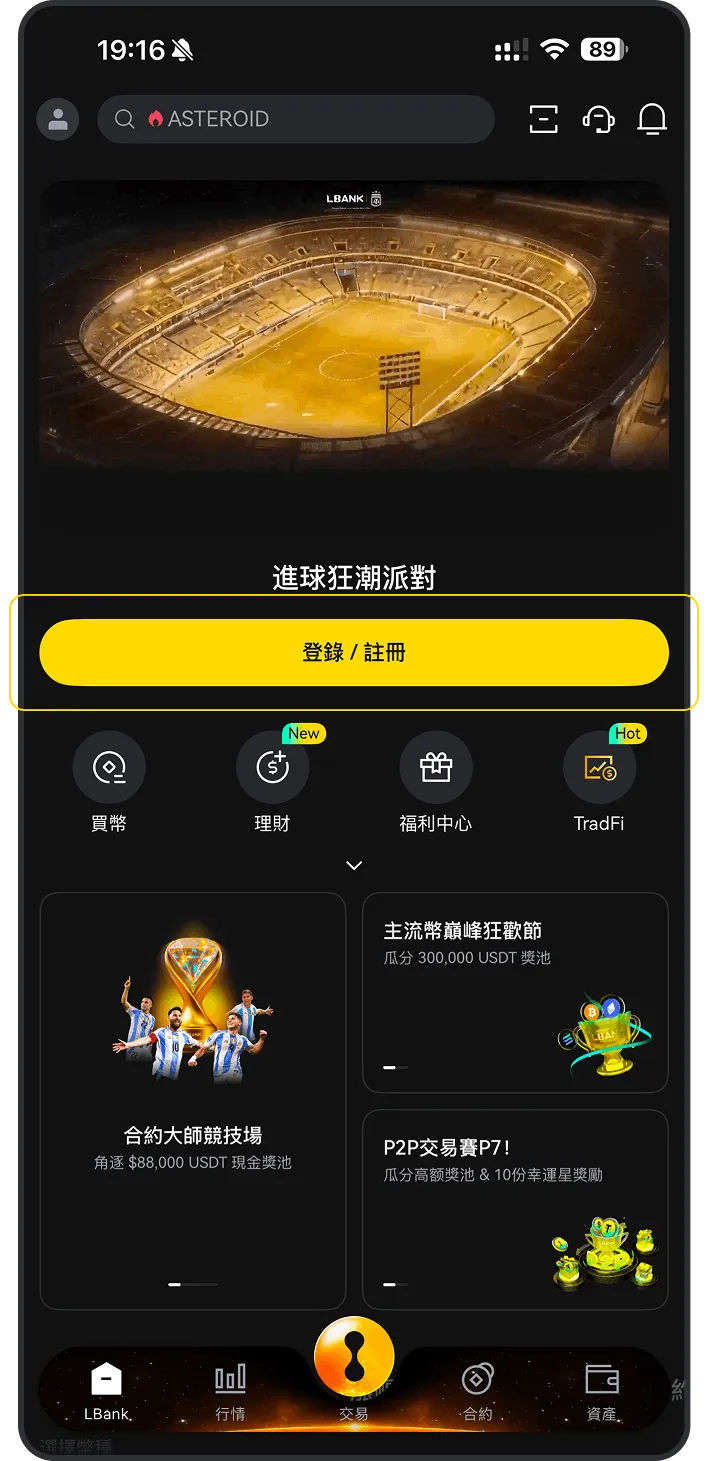
了解在 LBank 購買 DAI 可使用的付款方式,包括信用卡、簽帳金融卡、銀行轉帳、Apple Pay、Google Pay、PayPal 與 P2P,幫助您快速選擇適合的 DAI 購買方式。
查看在 LBank 購買 Dai (DAI) 前需要完成的準備事項,包括註冊帳戶、身份驗證 (KYC)、付款方式、地區可用性與購買前注意事項,幫助您更順利完成 BTC 購買流程。
在開始之前,請決定您要如何付款:
如果您是加密貨幣新手,使用法幣(如美元、歐元等)是購買 Dai 最簡單的方式。LBank 接受各種付款方式,包括簽帳金融卡、信用卡、銀行轉帳,以及可能提供的其他當地付款選項。您可能需要在購買前為您的 LBank 帳戶充值。
如果您已經持有其他加密貨幣,您可以在 LBank 上將它們交易為 Dai。請確認 LBank 支援您需要的交易對(例如,Bitcoin (BTC)。LBank 提供多種交易對,讓您可以方便地將現有的加密貨幣兌換為 Dai 。
您可以使用以下各種付款方式在 LBank 上購買 Dai:


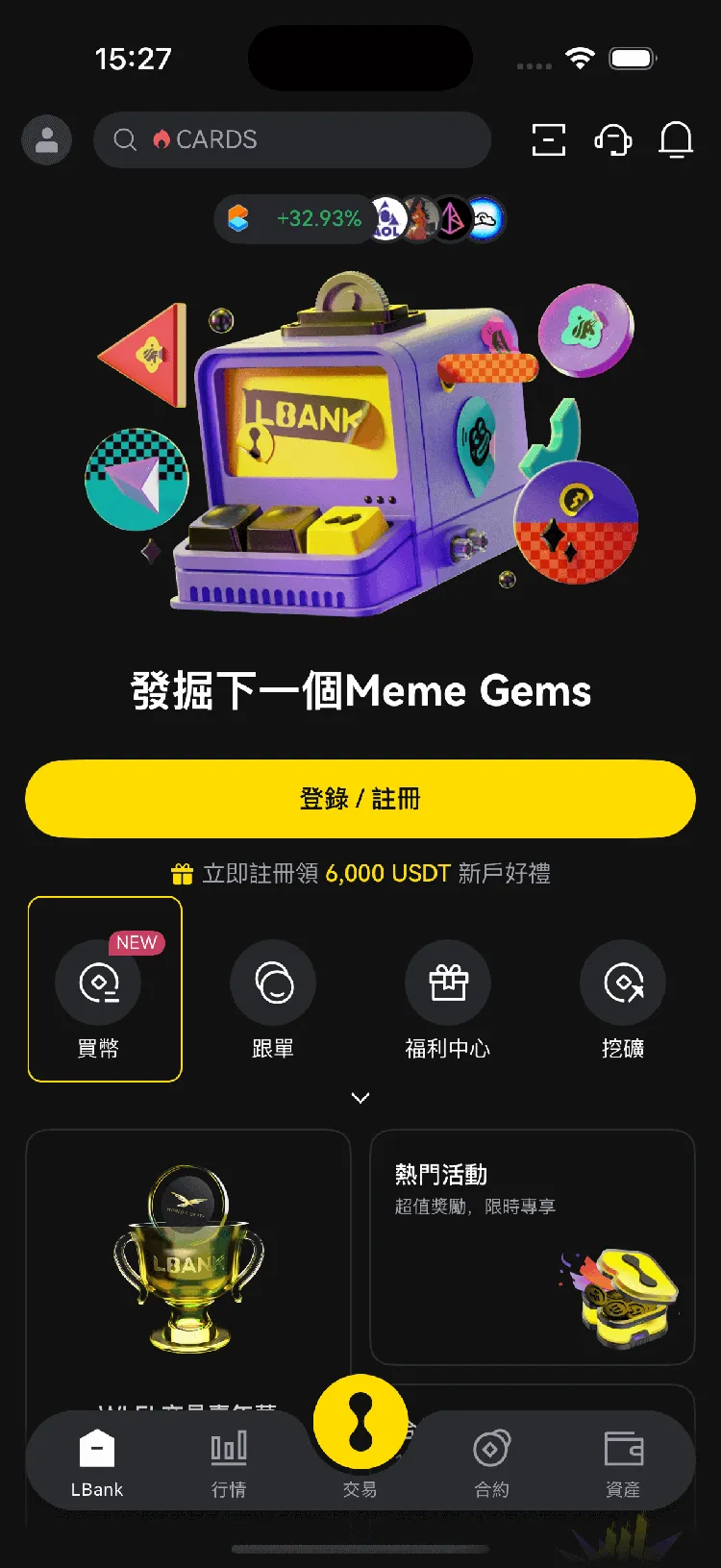
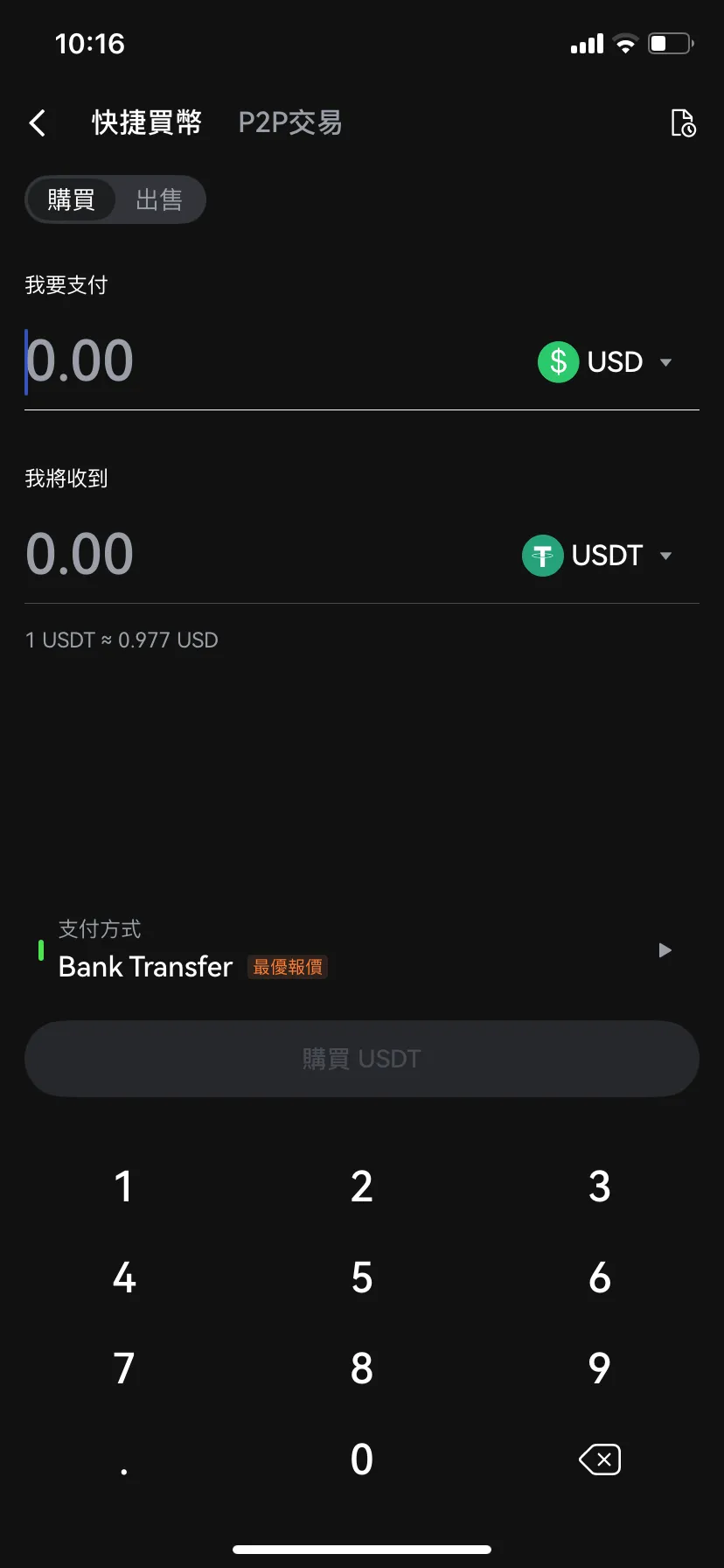
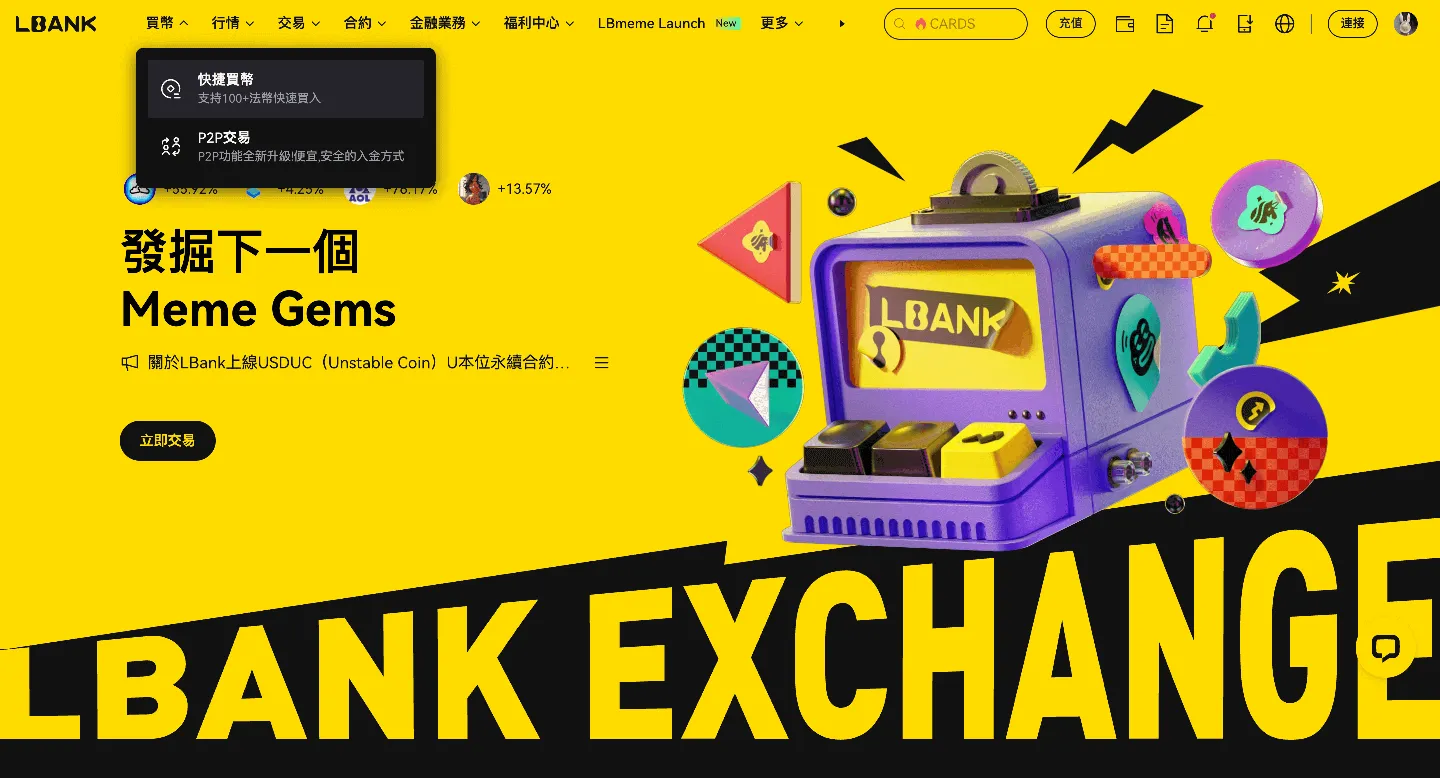
(a). 選擇您要使用的法幣
(b). 選擇要購買的 Dai
(c). 輸入金額或使用快速選項(例如,100、100、500、最大值)
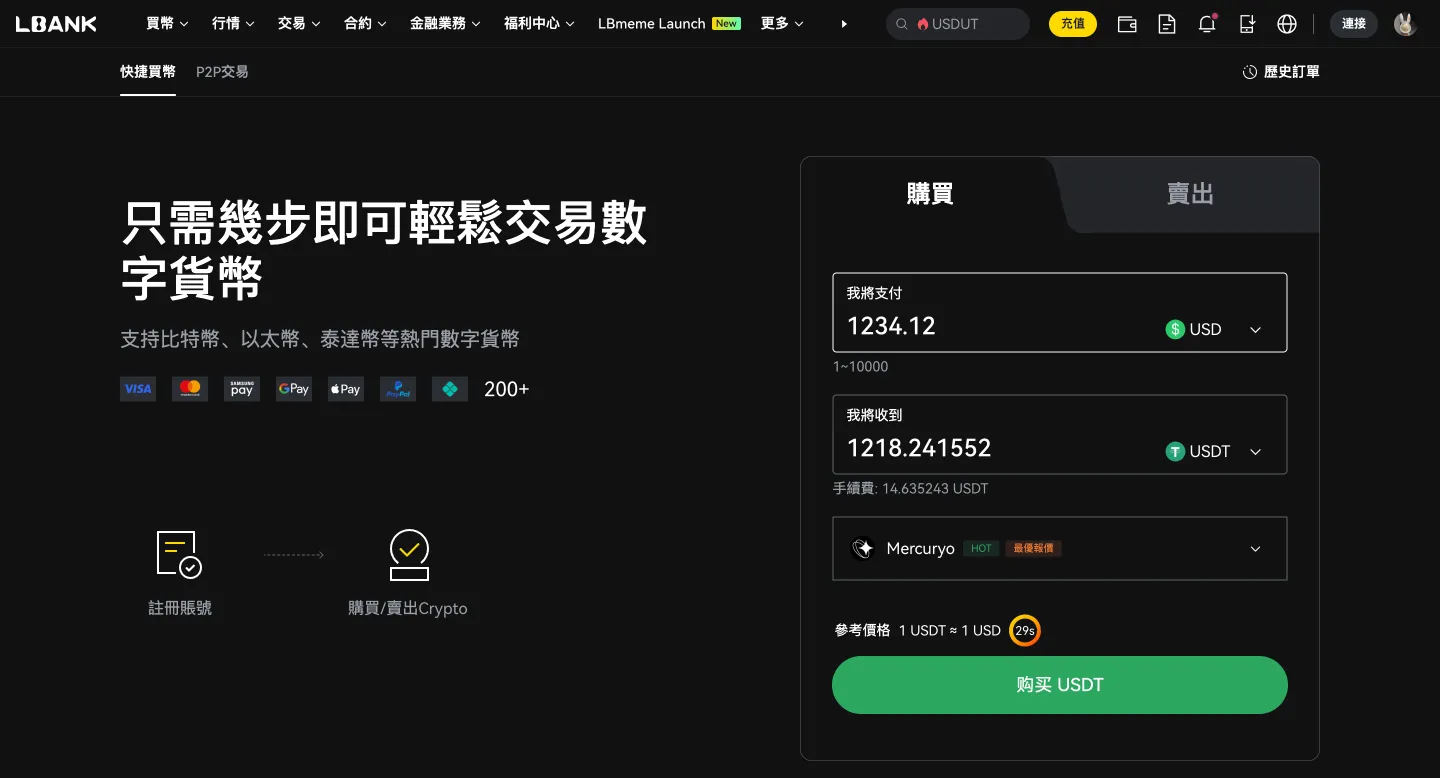
(d). 選擇您的付款方式
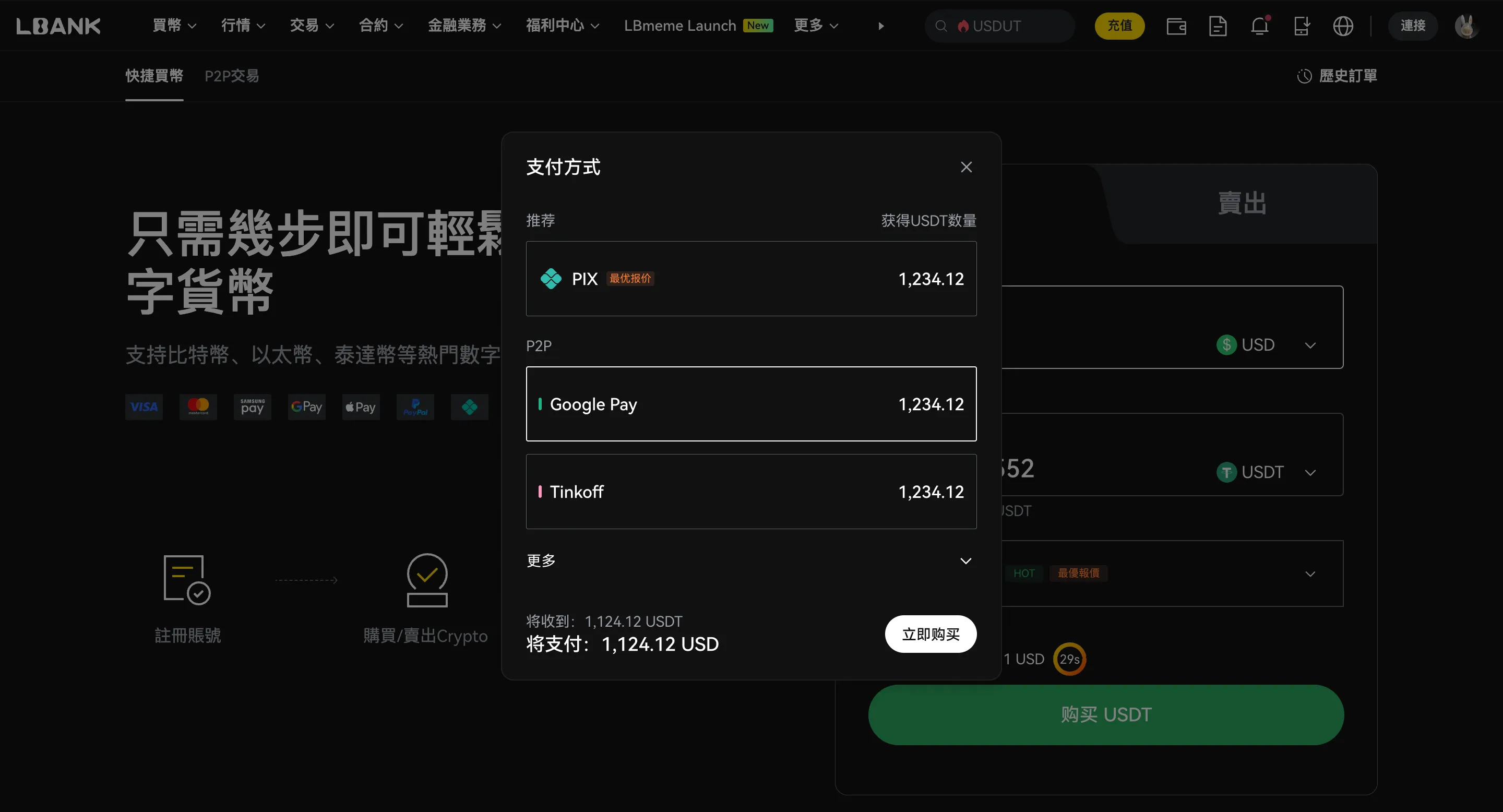
(e). 點擊「確認」或「立即購買」
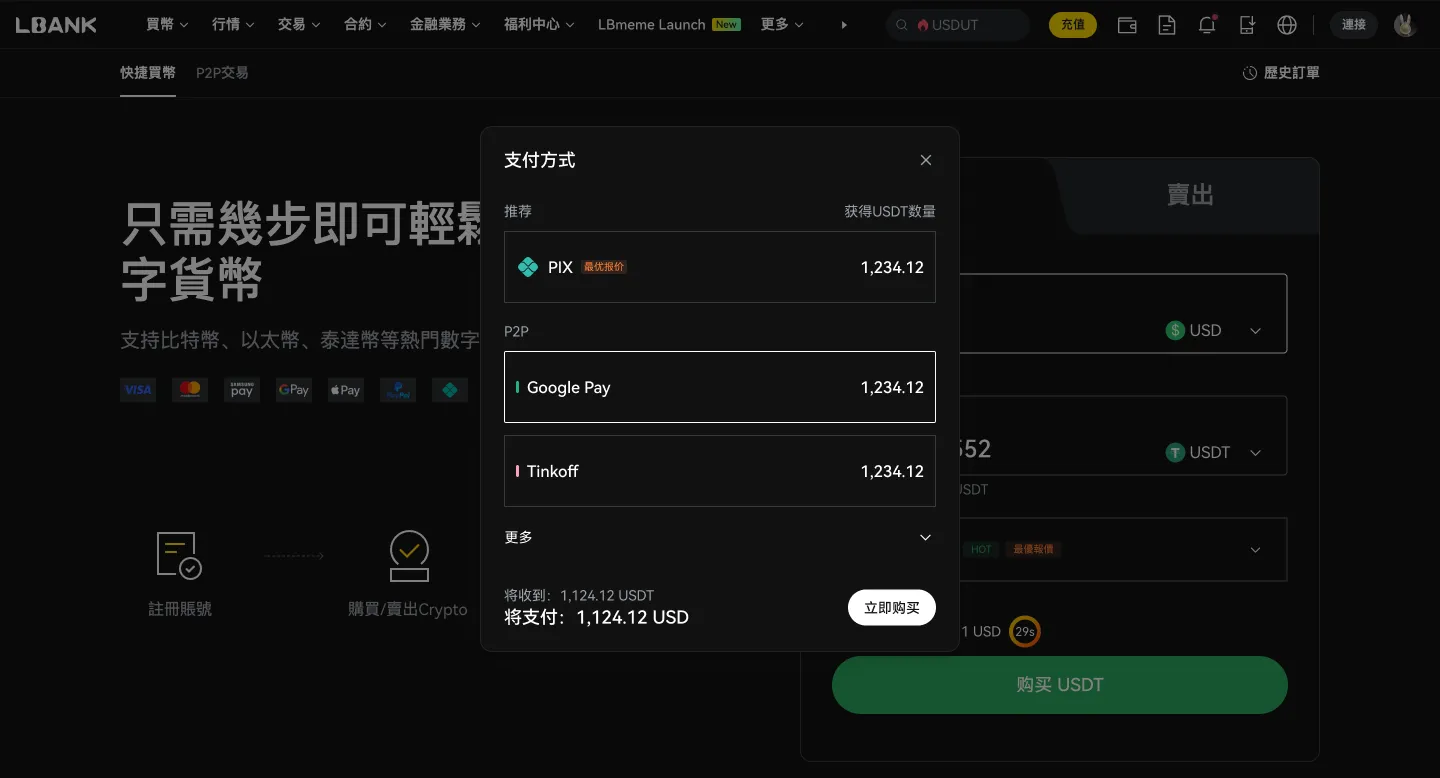
商家 | 單價 | 數量 | 限額 | 支付方式 | 操作 |
|---|---|---|---|---|
MA MALAYSIAN MYR-KING 1183 min | 100% | 0.945 USD | 2407.47 USDT 10.000 - 2275.059USD | Bank Transfer | |
MY MYR_DUITNOW_MYR 727 min | 100% | 0.954 USD | 2744.20 USDT 100.000 - 2500.000USD | Bank Transfer | |
PO Ponreay_FX 443 min | 100% | 0.995 USD | 2198.19 USDT 10.000 - 2187.199USD | Wing Money True Money (Cambodia) Bank Transfer (Cambodia) ABA (Cambodia) |
Dai (DAI) 是否是一個好的投資標的取決於您個人的財務狀況和風險承受能力。加密貨幣投資具有投機性,價格可能高度波動。





比較不同支付方式下的手續費、交易限額與預計到帳時間。實際費用與可用性可能因地區、法幣、支付方式及第三方服務商不同而變化,請以下單頁顯示為準。










買到 DAI 後,可以根據使用頻率、持有週期與安全需求,選擇不同的存放方式。如果你需要隨時交易,可先存放在 LBank 帳戶;如果更重視自主管理或長期安全,則可考慮個人錢包或硬體錢包。