Balancer (BAL)

Mua Balancer (BAL) trong Japan

Tìm hiểu cách mua Balancer (BAL) trên LBank, bao gồm các phương thức thanh toán như thẻ tín dụng, thẻ ghi nợ, Apple Pay và chuyển khoản ngân hàng, cũng như quy trình mua, các bước chuẩn bị và câu hỏi thường gặp.

Bước 1
Tải xuống ứng dụng LBank
Vui lòng tải xuống ứng dụng LBank và đăng ký để bắt đầu
Bước 2
Nạp tiền vào tài khoản của bạn
Gửi tiền bằng phương thức thanh toán bạn muốn.
Bước 3
Chọn tiền điện tử của bạn
Chọn loại tiền điện tử bạn muốn mua từ hơn 3.000.000 loại tiền điện tử có sẵn trên Sàn giao dịch hoặc Ví LBank.

Tổng quan quyết định mua

Thẻ tín dụng / Thẻ ghi nợ

Thẻ tín dụng / Thẻ ghi nợ

Phí xử lý
Phí linh hoạt
Thời gian xử lý
Thường trong vòng 1 phút, tối đa 48 giờ
Khối lượng mua tối thiểu
Bắt đầu từ khoảng 10-15 USD
Khu vực áp dụng
Tùy thuộc vào khu vực, đơn vị tiền pháp định, ngân hàng phát hành và khả năng hỗ trợ của cổng thanh toán
Chuyển khoản ngân hàng / Chuyển khoản nội địa

Chuyển khoản ngân hàng / Chuyển khoản nội địa

Phí xử lý
Phí linh hoạt
Thời gian xử lý
Tùy thuộc vào phương thức thanh toán, một số kênh nội địa có thể nhanh hơn
Khối lượng mua tối thiểu
Bắt đầu từ khoảng 1-10 USD
Khu vực áp dụng
Tùy thuộc vào khả năng hỗ trợ của kênh thanh toán địa phương

Ba bước đơn giản để mua BAL trên LBank

Đăng ký tài khoản LBank

Cách mua BAL trên LBank: Tổng quan các phương thức thanh toán được hỗ trợ

Tìm hiểu các phương thức thanh toán có sẵn để mua BAL trên LBank, bao gồm thẻ tín dụng, thẻ ghi nợ, chuyển khoản ngân hàng, Apple Pay, Google Pay, PayPal và P2P, giúp bạn nhanh chóng chọn phương thức mua BAL phù hợp.

Thẻ tín dụng / Thẻ ghi nợ
Thời gian xử lý: Thông thường trong vòng 1 phút, tối đa 48 giờ
Sử dụng thẻ Visa/Mastercard hỗ trợ giao dịch trực tuyến quốc tế, xác nhận đã kích hoạt 3D Secure; nếu thất bại có thể đổi thẻ ngân hàng hoặc thử lại sau
Nguyên nhân thất bại thường gặp: Ngân hàng phát hành thẻ từ chối giao dịch crypto, số dư không đủ, xác thực 3D Secure thất bại, bị chặn kiểm soát rủi ro, khu vực hoặc tổ chức thẻ không hỗ trợ
Chuyển khoản ngân hàng / Chuyển khoản nội địa
Thời gian xử lý: Ngay lập tức hoặc 1-3 ngày làm việc
Kiểm tra tài khoản thụ hưởng, mã tham chiếu và mạng chuyển khoản, đồng thời sử dụng tài khoản ngân hàng khớp với tên xác thực danh tính để thanh toán
Nguyên nhân thất bại thường gặp: Thông tin thụ hưởng hoặc mã tham chiếu sai, tên không khớp, ngân hàng xử lý chậm, mạng chuyển khoản không hỗ trợ

Cần chuẩn bị những gì trước khi mua Balancer (BAL) trên LBank?

Xem các bước chuẩn bị cần hoàn thành trước khi mua Balancer (BAL) trên LBank, bao gồm đăng ký tài khoản, xác minh danh tính (KYC), phương thức thanh toán, tính khả dụng theo khu vực và các lưu ý trước khi mua, giúp bạn hoàn tất quy trình mua BTC thuận lợi hơn.

Phù hợp với
Người dùng muốn mua nhanh BAL bằng tiền pháp định
Trước khi mua: Checklist
Đăng ký và đăng nhập vào tài khoản
Hoàn thành KYC bắt buộc
Chuẩn bị phương thức thanh toán
Xác nhận tính khả dụng tại khu vực,Kiểm tra hạn mức/phí giao dịch/thời gian xử lý
Lộ trình người dùng
Buy Crypto

Cách mua Balancer trên LBank – Hướng dẫn từng bước

Trước khi bắt đầu, hãy quyết định cách bạn muốn thanh toán:

Thanh toán bằng tiền pháp định

Nếu bạn mới tham gia tiền điện tử, sử dụng tiền pháp định (như USD, EUR, v.v.) là cách dễ nhất để mua Balancer. LBank hỗ trợ nhiều phương thức thanh toán khác nhau, bao gồm thẻ ghi nợ, thẻ tín dụng, chuyển khoản ngân hàng và các tùy chọn thanh toán địa phương khác nếu có. Bạn có thể cần nạp tiền vào tài khoản LBank của mình trước khi mua hàng.

Thanh toán bằng các loại tiền điện tử khác

Nếu bạn đã nắm giữ các loại tiền điện tử khác, bạn có thể giao dịch chúng để lấy Balancer trên LBank. Vui lòng đảm bảo rằng LBank hỗ trợ cặp giao dịch bạn cần (ví dụ: Bitcoin (BTC)). LBank cung cấp nhiều cặp giao dịch, cho phép bạn thuận tiện chuyển đổi tiền điện tử hiện tại của mình thành Balancer.

LBank hỗ trợ nhiều phương thức thanh toán

Bạn có thể sử dụng các phương thức thanh toán sau để mua Balancer trên LBank:

Thẻ ghi nợ
Thẻ tín dụng/thẻ ghi nợ
PayPal
Apple Pay
Google Pay

Hướng dẫn ứng dụng di động

1
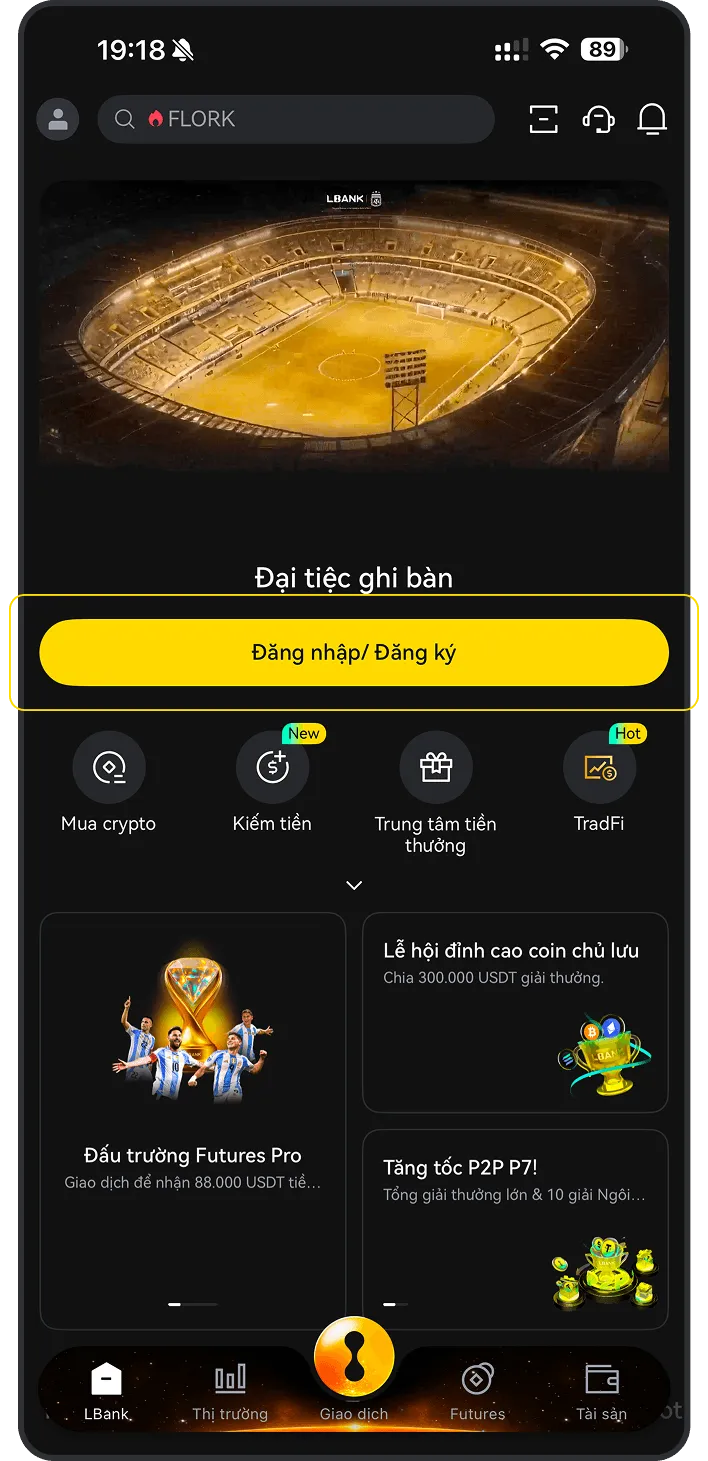
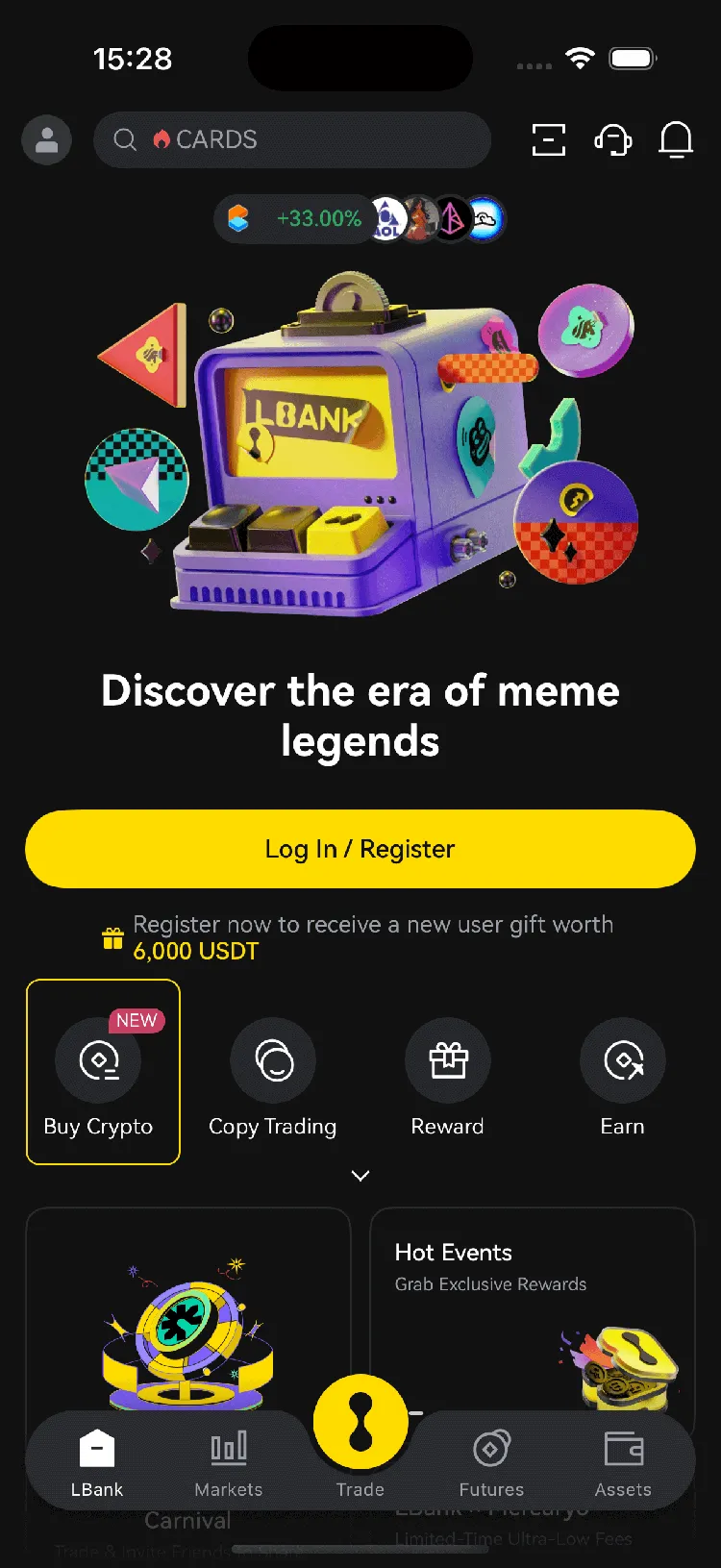
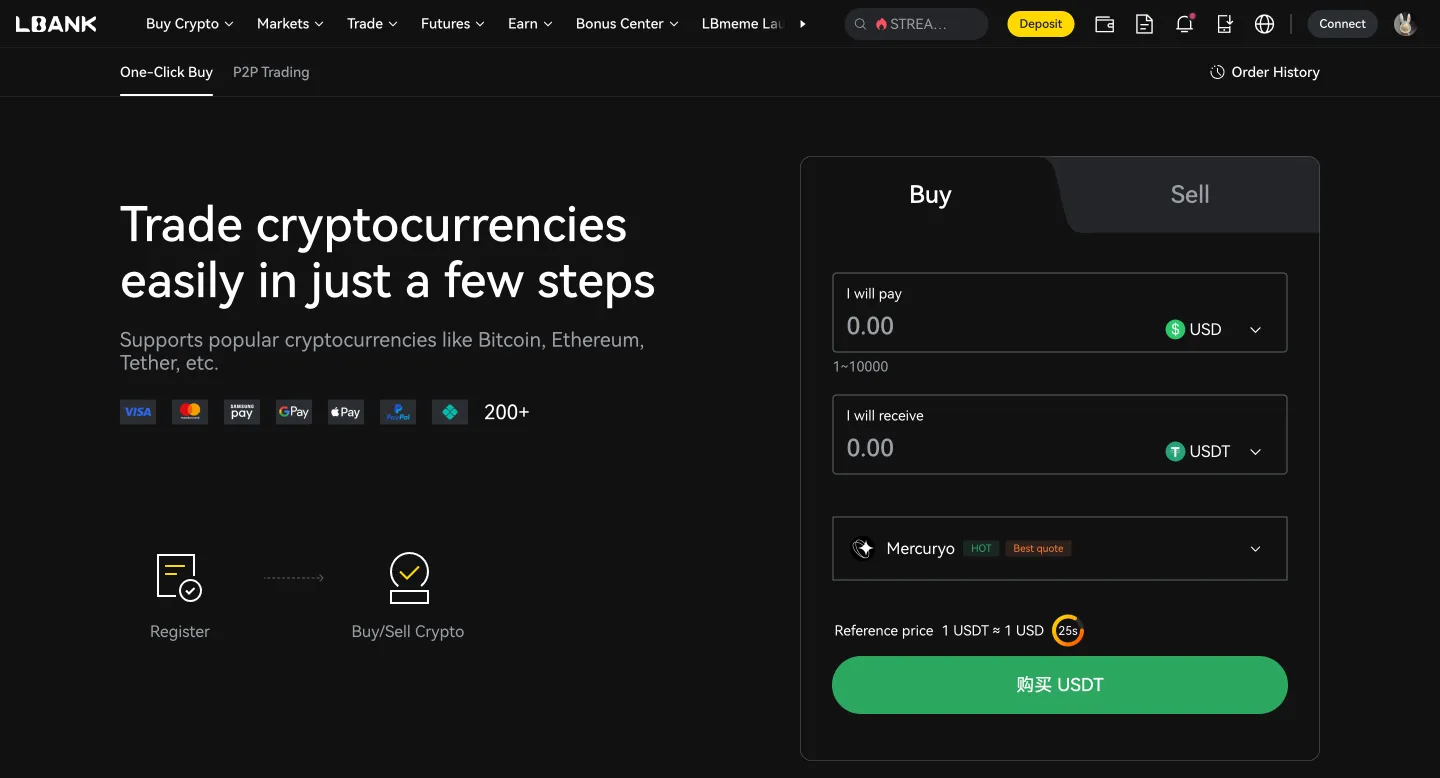
Mở ứng dụng di động LBank và chạm vào “Mua tiền điện tử”
2
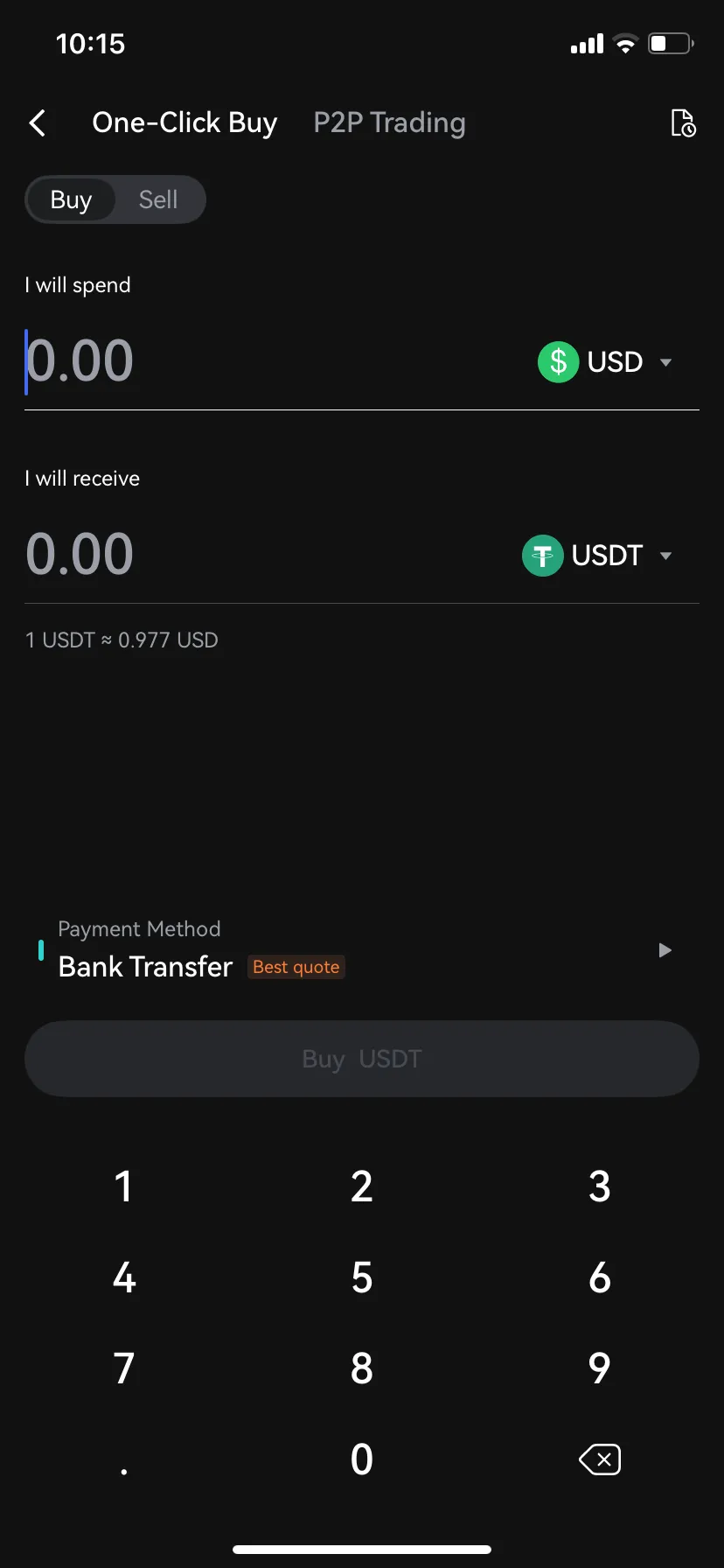
Chọn “Mua”
3
Chọn , nhập loại tiền tệ fiat bạn muốn sử dụng, nhập số tiền, sau đó chạm vào “Mua” hoặc “Xác nhận”

Hướng dẫn máy tính để bàn

1
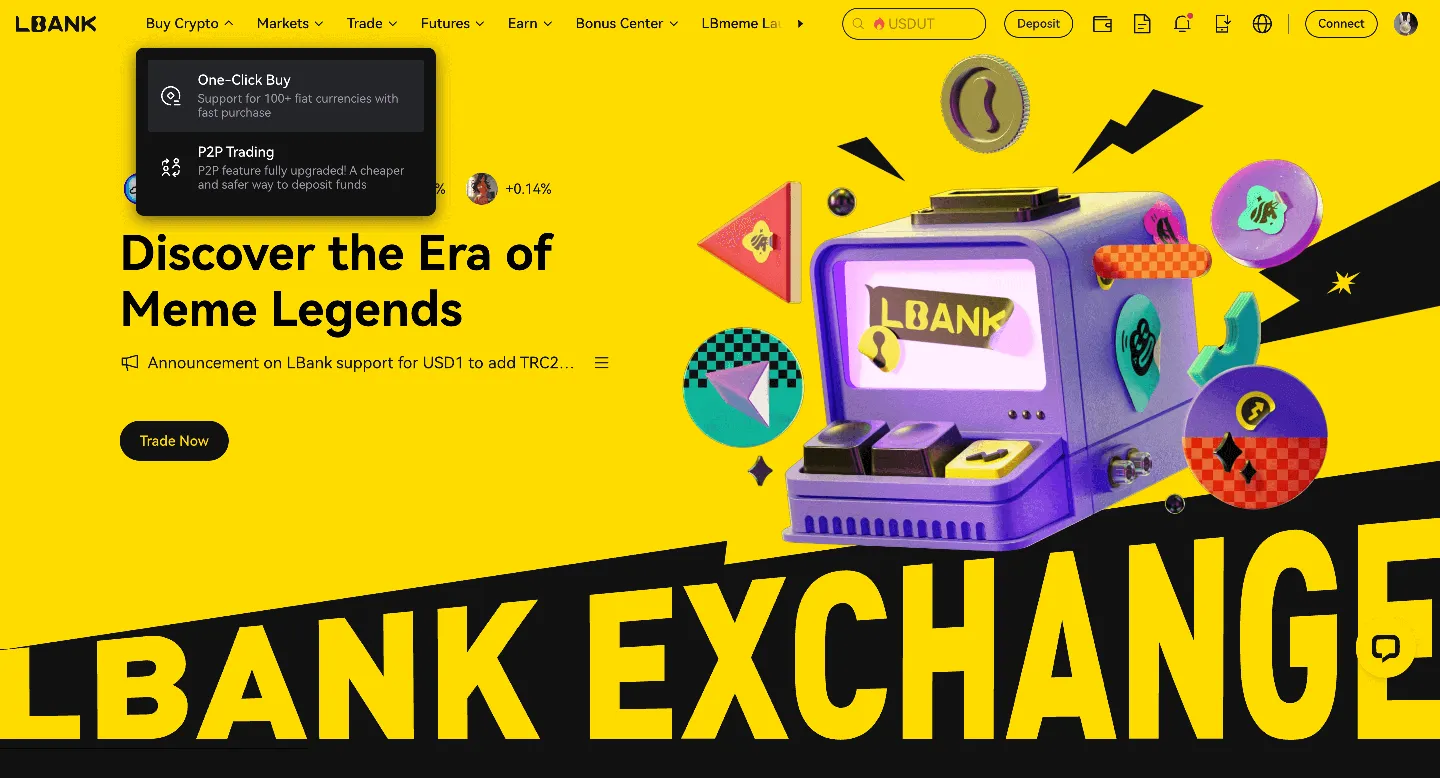
Đăng nhập vào LBank trên trình duyệt máy tính để bàn của bạn và nhấp vào tùy chọn “Mua một lần nhấp”.
2
Trong thẻ "Mua/Bán nhanh":

(a). Chọn loại tiền tệ fiat bạn muốn sử dụng

(b). Chọn Balancer bạn muốn mua

(c). Nhập số tiền hoặc sử dụng tùy chọn chọn nhanh (ví dụ: 100, 200, 500, tối đa)

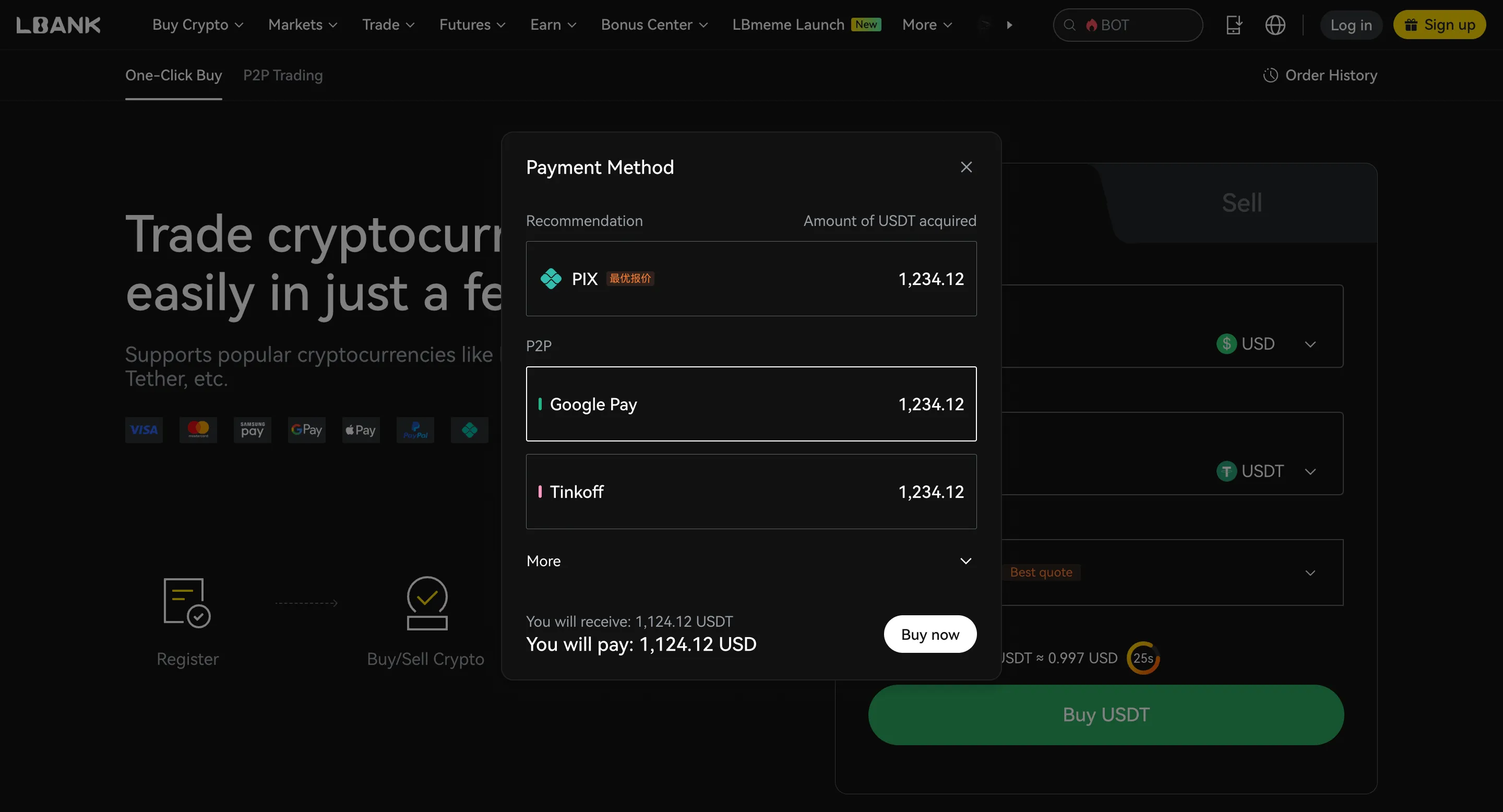
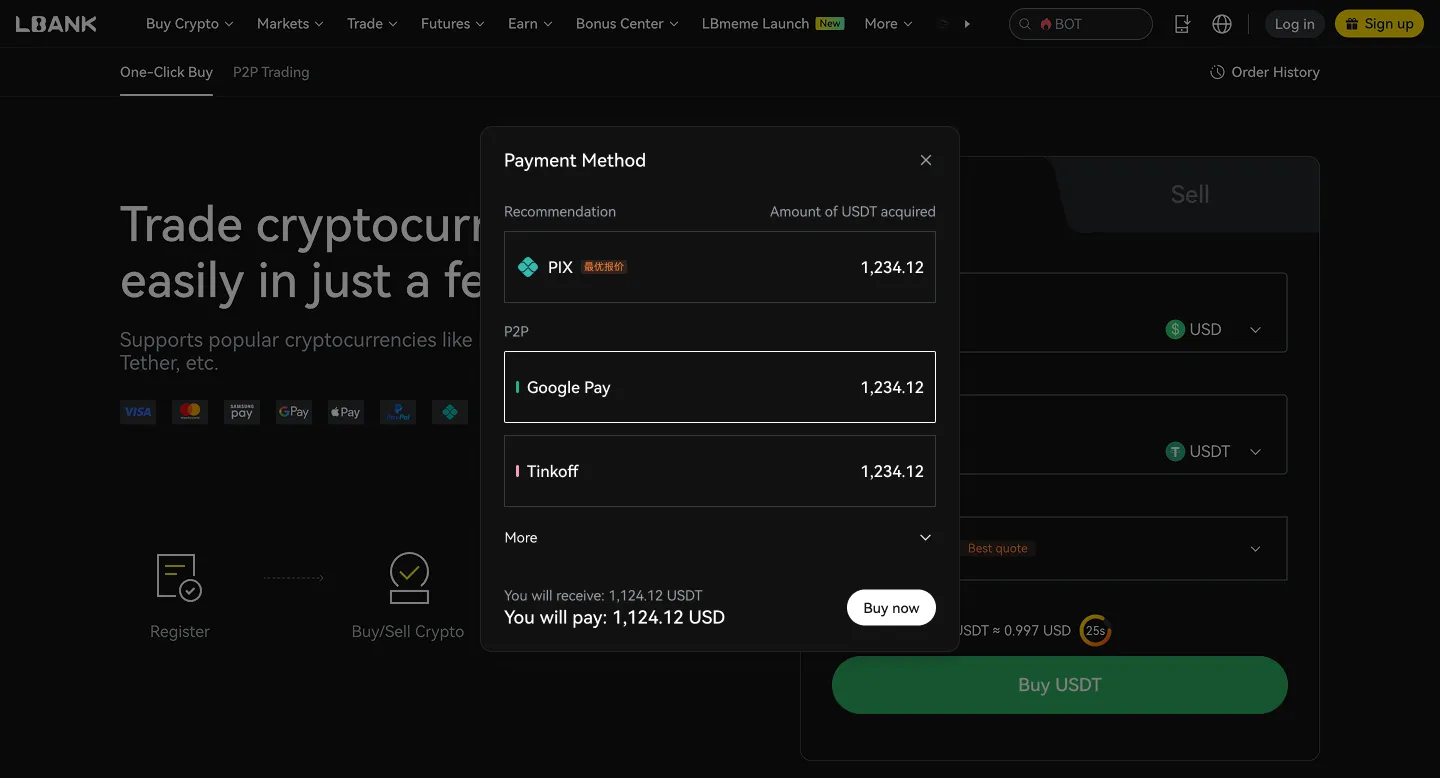
(d). Chọn phương thức thanh toán của bạn

(e). Nhấp vào “Xác nhận” hoặc “Mua ngay”

Giao dịch P2P

Thương nhân
Đơn giá
Số lượng | Giới hạn
Phương thức thanh toán
Thao tác
MA
MALAYSIAN MYR-KING
964 min | 100%
1.000 USD
4023.33 USDT
10.000 - 3000.000USD
Bank Transfer
SS
Sswap
15 min | 100%
1.001 USD
3588.97 USDT
55.000 - 3592.558USD
Wing Money
True Money (Cambodia)
Bank Transfer (Cambodia)
ABA (Cambodia)
PO
Ponreay_FX
623 min | 100%
1.001 USD
2192.08 USDT
10.000 - 2194.272USD
Wing Money
True Money (Cambodia)
Bank Transfer (Cambodia)
ABA (Cambodia)

Balancer (BAL) là gì?

Balancer is a decentralized automated market maker protocol built on the Ethereum blockchain that functions as both a decentralized exchange and a self-balancing portfolio management tool. Launched in 2020 by Balancer Labs, it was designed to provide a flexible alternative to traditional decentralized exchanges by allowing users to create or participate in liquidity pools with highly customizable parameters. Unlike many other automated market makers that restrict pools to only two assets in equal proportions, Balancer allows for pools containing up to eight different tokens. Creators of these pools can set specific weights for each asset, such as a pool with forty percent of one token and sixty percent of another. This structure effectively turns liquidity pools into self-balancing index funds. As the prices of the underlying assets change, the protocol uses mathematical formulas to trigger trades that rebalance the pool, ensuring it maintains the user-defined ratios. There are three primary types of pools within the ecosystem. Public pools are open to any user for providing liquidity and have fixed parameters that cannot be changed after creation. Private pools are managed by a single entity that can adjust all parameters, including weights, fees, and the assets accepted. Smart pools are controlled by smart contracts, allowing for even more complex logic and dynamic adjustments. The native token of the project is BAL, which serves primarily as a governance token. Holders of BAL can participate in the decision-making process for the protocol by voting on proposals that affect its future development and operation. A more recent evolution of this system involves veBAL, or voting-escrow BAL, which requires users to lock their tokens to gain increased voting power and other protocol benefits. This governance model ensures that the platform remains community-driven and decentralized. Beyond simple token swaps, Balancer provides infrastructure for other Web3 projects. It features a smart order router that scans all available pools to find the most efficient paths for trades, reducing costs for users. The protocol has also expanded to multiple blockchain networks, including Polygon and Arbitrum, positioning itself as a core liquidity layer for the broader decentralized finance ecosystem. Its modular architecture, particularly in its more recent versions, allows developers to build specialized pool types and financial products on top of the base protocol. Tìm hiểu thêm

Balancer (BAL) có phải là một khoản đầu tư tốt không?

Balancer (BAL) có phải là khoản đầu tư tốt hay không phụ thuộc vào tình hình tài chính cá nhân và khả năng chịu rủi ro của bạn. Đầu tư tiền điện tử mang tính đầu cơ và có thể biến động mạnh.

Trước khi đầu tư vào Balancer (BAL) hoặc bất kỳ loại tiền điện tử nào, hãy cân nhắc những điều sau:

Mục tiêu tài chính của bạn
Bạn đang tìm kiếm lợi nhuận ngắn hạn hay tăng trưởng dài hạn?
Khả năng chịu rủi ro của bạn
Bạn có thể chấp nhận mức lỗ tiềm ẩn là bao nhiêu?
Sự đa dạng hóa
Sự đa dạng hóa
Đừng bỏ tất cả trứng vào một giỏ. Hãy phân bổ khoản đầu tư của bạn vào nhiều loại tài sản khác nhau.
Mục tiêu và thời gian của bạn
Tiền điện tử phù hợp nhất với các nhà đầu tư dài hạn. Tuyên bố miễn trừ trách nhiệm: Đây không phải là lời khuyên về tài chính. Vui lòng nghiên cứu kỹ lưỡng trước khi đưa ra bất kỳ quyết định đầu tư nào.

Phí giao dịch, hạn mức và thời gian xử lý BAL trên LBank

So sánh phí giao dịch, hạn mức giao dịch và thời gian xử lý dự kiến của các phương thức thanh toán khác nhau. Phí thực tế và tính khả dụng có thể thay đổi tùy theo khu vực, đơn vị tiền pháp định, phương thức thanh toán và nhà cung cấp dịch vụ bên thứ ba. Vui lòng tham khảo thông tin trên trang lệnh.

Máy tính ROI

Nếu tôi đầu tư, tôi sẽ kiếm được bao nhiêu lợi nhuận?
Đầu tư
$
Đi vào
BAL
Ngày giao dịch
2026-07-29
Bạn sẽ kiếm được $-- tiền lãi, với ROI là --

Bạn có thể làm gì với Balancer (BAL)?

Sự đầu tư
Mua và nắm giữ Balancer (BAL), kỳ vọng giá trị của nó sẽ tăng theo thời gian.
Sự đầu tư
Giao dịch
Giao dịch tích cực Balancer (BAL) trên LBank để hưởng lợi từ biến động giá.
Giao dịch
Chi trả
Sử dụng Balancer (BAL) để thanh toán cho hàng hóa và dịch vụ được chấp nhận.
Chi trả

Tại sao LBank là nền tảng tốt nhất để mua Balancer (BAL)?

Giao diện thân thiện với người dùng
LBank cung cấp một nền tảng đơn giản và trực quan để mua và bán Balancer (BAL).
Phí cạnh tranh
Phí cạnh tranh
LBank cung cấp mức phí giao dịch cạnh tranh cho Balancer (BAL).
Nền tảng an toàn
Nền tảng an toàn
LBank áp dụng các biện pháp bảo mật mạnh mẽ để bảo vệ tiền của bạn.
Các cặp giao dịch đa dạng
LBank cung cấp nhiều cặp giao dịch cho Balancer (BAL).
Hỗ trợ khách hàng 24/7
LBank cung cấp dịch vụ hỗ trợ khách hàng để giúp bạn giải quyết mọi thắc mắc hoặc vấn đề.
Ứng dụng di động
Ứng dụng di động
Giao dịch Balancer (BAL) mọi lúc, mọi nơi bằng ứng dụng di động LBank.
Tính thanh khoản cao
LBank cung cấp tính thanh khoản tuyệt vời cho giao dịch Balancer (BAL), đảm bảo bạn có thể dễ dàng mua và bán tài sản tiền điện tử của mình.
Tuân thủ quy định giám sát quản lý
LBank tuân thủ mọi yêu cầu pháp lý tại các khu vực pháp lý nơi ngân hàng hoạt động để đảm bảo môi trường giao dịch tuân thủ và an toàn

Sau khi mua BAL, cách lưu trữ nào là phù hợp nhất?

Sau khi mua BAL, bạn có thể chọn các phương thức lưu trữ khác nhau dựa trên tần suất sử dụng, thời gian nắm giữ và nhu cầu bảo mật. Nếu bạn cần giao dịch thường xuyên, có thể lưu trữ trong tài khoản LBank; nếu bạn ưu tiên tự quản lý hoặc bảo mật lâu dài, hãy cân nhắc sử dụng ví cá nhân hoặc ví phần cứng.

Lưu trữ trên tài khoản LBank

Lưu trữ trên tài khoản LBank

Phù hợp với
Người dùng muốn giao dịch hoặc quy đổi bất kỳ lúc nào
Người dùng nắm giữ BTC ngắn hạn
Đặc điểm
Có thể sử dụng trực tiếp sau khi mua, thao tác thuận tiện hơn
Phù hợp để giao dịch thường xuyên, chuyển đổi hoặc tiếp tục sử dụng các tính năng của nền tảng
Cảnh báo an ninh
Vui lòng bật 2FA
Thiết lập mã chống giả mạo
Chỉ đăng nhập tài khoản qua các kênh chính thức
Chuyển sang ví nóng cá nhân

Chuyển sang ví nóng cá nhân

Phù hợp với
Người dùng muốn tự quản lý tài sản
Người dùng cần chuyển khoản hàng ngày hoặc sử dụng trên chuỗi
Đặc điểm
Sử dụng linh hoạt hơn, thuận tiện cho việc nhận, gửi và quản lý hàng ngày
Phù hợp hơn cho việc nắm giữ số lượng nhỏ và các tình huống sử dụng hàng ngày
Cảnh báo an ninh
Không lưu trữ cụm từ khôi phục hoặc khóa riêng tư trên đám mây
Không lưu trữ thông tin nhạy cảm qua các công cụ trò chuyện, email hoặc ảnh chụp màn hình
Cẩn thận với các trang web lừa đảo và ứng dụng ví giả mạo
Chuyển sang ví phần cứng

Chuyển sang ví phần cứng

Phù hợp với
Người dùng nắm giữ BTC dài hạn
Những người sở hữu lượng lớn tài sản, ưu tiên tính bảo mật
Đặc điểm
Khóa cá nhân được lưu trữ ngoại tuyến, tính bảo mật thường cao hơn
Phù hợp hơn để lưu trữ dài hạn, các tài sản ít khi di chuyển
Cảnh báo an ninh
Sao lưu cụm từ hạt giống ngoại tuyến một cách cẩn thận
Không tiết lộ cụm từ khôi phục cho bất kỳ ai
Nếu mất cụm từ ghi nhớ, tài sản có thể không thể khôi phục

Phần tin tức

Thêm
The Daily: Balancer Labs to wind down, Bernstein calls bitcoin bottom with $150K target for 2026, and more

Balancer Labs, the corporate entity behind the DeFi protocol Balancer, is winding down after a $128 million exploit created “real and ongoing legal exposure” for the firm.Bernstein analysts said bitcoin has likely bottomed, underpinning its bullish thesis for treasury firm Strategy as a leveraged play on the upside.In a forum post on Monday, co-founder Fernando Martinelli said the technology remains intact, but flawed tokenomics and repeated security incidents eroded trust.Martinelli had considered a complete protocol shutdown, but pointed to recent performance metrics, noting that Balancer has generated more than $1 million in annualized fees.Instead, the protocol will continue operating under a leaner structure, shifting toward DAO-led governance and a service provider model.The restructuring plan proposes ending BAL (BAL) emissions, sunsetting veBAL, and redirecting 100% of fees to the DAO treasury. Core contributors are expected to move to a new entity, Balancer OpCo, pending governance approval.Leadership said the next 12 months will be critical as Balancer attempts to prove sustainable product-market fit and rebuild confidence.The decision follows a November attack that affected Balancer v2 pools across multiple chains, which was attributed to a rounding flaw in its swap logic.The analysts projected a potential 226% rise for Strategy with a $450 price target, citing its resilient balance sheet and 3.6% share of bitcoin supply.Bernstein argued that Strategy's increasing shift to perpetual preferred instruments like STRC reduces volatility risk and provides non-dilutive, long-term capital for continued bitcoin accumulation.The analysts also reiterated a $150,000 bitcoin price target for the end of 2026 and see a cycle peak of $200,000 in 2027.The initiative advances NYSE's January plan to launch a 24/7 tokenized securities venue, formalizing a key piece of its infrastructure.Securitize will handle the creation and management of tokenized shares, leveraging its experience working with institutions like BlackRock.The collaboration reflects a broader Wall Street push into tokenization, as exchanges and regulators increasingly move to support digital securities experimentation.Executives said the audit will provide a comprehensive review of Tether's financials, including assets, liabilities, and internal controls.The company did not disclose the auditor's name in its Tuesday announcement, though candidates include Deloitte, PwC, EY, and KPMG.Deloitte has previously issued a reserve attestation for Tether-linked USAT — a U.S.-regulated stablecoin issued via Anchorage Digital — though that review was limited to a point-in-time snapshot and did not extend to USDT or Tether's broader finances.The move comes as Tether scales globally and seeks to address long-standing scrutiny over its reserve transparency.Meanwhile, shares in rival Circle fell 20% on Tuesday amid proposed limits on stablecoin rewards and reports that the firm froze USDC in 16 wallets tied to an ongoing U.S. civil case.Fink emphasized that tokenization can improve access, liquidity, and efficiency by making assets easier to issue, trade, and fractionalize.His comments come as regulators and major institutions accelerate efforts to test and integrate tokenized securities into traditional markets.UK CPI and PPI data are due at 3 a.m. ET on Wednesday. U.S. mortgage data follows at 7 a.m.AltLayer and Acala are among the crypto projects set for token unlocks.Next Block Expo and Digital Asset Summit continue. Crypto Assets Conference 2026 kicks off in Frankfurt.
2026-03-25
Balancer Labs to shut down after $128 million exploit; protocol eyes 'lean' restructuring
Balancer protocol’s corporate entity is shutting down after over $128 million was drained in an exploit last November.Its co-founder, Fernando Martinelli, said the protocol will continue to operate after restructuring to attain a “lean” economic model.
2026-03-24

Balancer (BAL) Câu hỏi thường gặp

Balancer stands out with its highly flexible liquidity pools. Unlike many traditional AMMs that typically restrict pools to two tokens in a 50/50 ratio, Balancer supports up to 16 tokens within a single pool. Furthermore, these pools allow for customizable weightings (e.g., 80% BAL / 20% WETH), enabling the creation of 'index-like' funds that automatically rebalance. This versatility offers liquidity providers greater control and allows for more complex financial strategies, making it a powerful tool for diverse asset management.
Balancer offers diverse pool types to cater to various needs. Public Pools are open for anyone to provide liquidity, with fixed parameters. Private Pools grant a single owner full control to adjust weights and fees, ideal for custom strategies. Smart Pools are managed by smart contracts, allowing for advanced features like dynamic fee adjustments or even changing the tokens within the pool. This range of options provides unprecedented flexibility and automation for both liquidity providers and pool creators within the ecosystem.
veBAL, or vote-escrowed BAL, is a core mechanism inspired by advanced tokenomics models. Users obtain veBAL by locking Balancer (BAL) and Wrapped Ether (WETH) liquidity tokens for a chosen duration. Holding veBAL grants significant utility: it empowers users to vote on "gauges," effectively directing where new BAL token emissions are distributed to specific liquidity pools. Additionally, veBAL holders earn a portion of the protocol's revenue and can significantly boost their own liquidity mining rewards, incentivizing long-term engagement and governance participation.
Balancer V3, launched on December 11, 2024, brings several major advancements. A key innovation is the "Boosted Pools" concept, developed in partnership with Aave, which allows capital to remain liquid for trading while simultaneously earning lending yield on idle assets. The new "Hooks Framework" offers developers extensive customization, enabling them to integrate custom logic into pools, such as dynamic fees or oracle-based pricing. Furthermore, V3 significantly improves gas efficiency by centralizing logic within a unified "Vault," reducing the cost of complex swaps for users.
Users providing liquidity to Balancer pools can earn rewards through two main mechanisms. Firstly, they receive a share of the swap fees generated by traders who utilize their specific liquidity pools. This mechanism ensures that liquidity providers are compensated for facilitating trades. Secondly, participants in certain "incentivized" pools receive weekly distributions of BAL tokens. This liquidity mining program is a significant incentive, directing protocol emissions to encourage deeper liquidity in key asset pairs and rewarding those who contribute to the ecosystem's robustness.
While Balancer offers innovative features, users should be aware of potential risks. Smart contract risk is inherent, meaning potential vulnerabilities or bugs in the protocol's code could lead to asset loss. Balancer has undergone extensive audits and maintains a bug bounty to mitigate this, but it's always a consideration. Another significant concern is asset risk, particularly in multi-token pools; if one of the constituent tokens, such as a stablecoin, de-pegs or suffers a significant value drop, it can impact the entire pool's value. Impermanent loss also exists, though Balancer's custom pool weights can sometimes reduce its impact.

Cách mua các tài sản tiền điện tử khác