Iran Is Now Charging $2M Per Ship in crypto, and 18 Tankers Just Paid Up
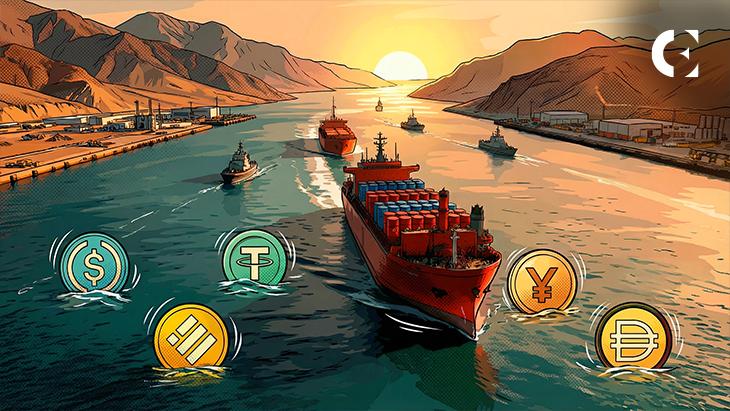
The world’s most important oil route just became the world’s most unexpected crypto payment gateway. Iran is charging millions per ship to pass through the Strait of Hormuz, and they are collecting it in Chinese yuan or cryptocurrency. The numbers are huge, and the implications for crypto are bigger than most people realize.
According to a crypto analyst, Crypto Rover, between 15 and 18 passed through the Strait of Hormuz in the last 24 hours, which is the largest volume of traffic seen through the strait since March 1st.
At $2 million per tanker, that single day of passage alone generated an estimated $36 million, paid partly in cryptocurrency. A war zone chokepoint is now processing more crypto transactions per day than most DeFi protocols.
Iran has established what amounts to a formalized toll system at the Strait of Hormuz, accepting Chinese yuan and crypto, specifically stablecoins pegged to fiat currencies, as payment for naval escort through the waterway.
This is not an informal backroom arrangement anymore. It is an organized, state-backed payment system running outside the US dollar entirely.
The system is more structured than expected. Stablecoins remove price volatility, working like dollar transfers without using the U.S. banking system. This allows Iran to receive dollar-equivalent payments without touching actual dollars, creating a potential sanctions workaround.
If expanded, such mechanisms could challenge existing crypto compliance frameworks and increase regulatory pressure on major stablecoin issuers like Tether and .
In January 2026, Iran’s Ministry of Defense Export Center already updated its systems to accept cryptocurrency payments for military exports, including contracts for drones, missiles, and other defense equipment.
The immediate market impact is already visible. Every time Hormuz tensions ease even slightly, Bitcoin pumps. Every time Trump signals more strikes, it dumps.
The 15 to 18 ships passing through in the last 24 hours is the highest traffic since March 1st, and that alone is being read by traders as a de-escalation signal.
The sudden return of tanker traffic, even at $2 million per crossing, signals that the global energy market is desperate enough to pay crypto tolls just to keep oil moving.
For crypto, this situation cuts both ways. On one hand, Iran’s use of stablecoins proves real-world utility at a massive, undeniable scale. On the other hand, it puts every stablecoin issuer directly in the crosshairs of US regulators who will demand answers about where these transactions are going and why they were not frozen.
