SEDA (SEDA)

Buy SEDA (SEDA) in Malaysia

Learn how to buy SEDA (SEDA) on LBank, including payment methods such as credit cards, debit cards, Apple Pay, and bank transfers, as well as the purchase process, preparations, and FAQs.

Step 1
Download the LBank App
Please download the LBank App and register to get started
Step 2
Fund your account
Deposit using your preferred payment method.
Step 3
Choose your cryptocurrency
Select the crypto you want to buy from over 3,000,000 cryptocurrencies available on LBank Exchange or Wallet.

Purchase Decision Overview

Credit / Debit Card

Credit / Debit Card

Fee
Variable Fees
Processing Time
Usually within 1 minute, up to 48 hours
Minimum Purchase Amount
Starting from approx. 10–15 USD
Supported Regions
Subject to region, fiat currency, issuing bank, and payment channel support
Bank Transfer / Local Transfer

Bank Transfer / Local Transfer

Fee
Variable Fees
Processing Time
Depends on the payment method; some local channels may be faster
Minimum Purchase Amount
Starting from approx. 1–10 USD
Supported Regions
Subject to local payment channel support

Three Simple Steps to Buy SEDA on LBank

Register an LBank account

How to Buy SEDA on LBank: Payment Methods Overview

Explore the available payment methods for buying SEDA on LBank, including credit card, debit card, bank transfer, Apple Pay, Google Pay, PayPal, and P2P, to quickly choose the most suitable way to buy SEDA.

Credit / Debit Card
Credit / Debit Card
Processing Time: Usually within 1 minute; up to 48 hours
Use a Visa/Mastercard that supports international online transactions and ensure 3D Secure is enabled; if it fails, try a different card or try again later
Common Reasons for Failure: The issuing bank declined the cryptocurrency transaction; insufficient balance; 3D Secure verification failed; risk control interception; or region/card network not supported
Bank Transfer / Local Transfer
Processing Time: Instant or 1–3 Business Days
Verify the receiving account, reference code, and transfer network, and use a bank account consistent with your identity verification
Common Reasons for Failure: Incorrect receiving information or reference code; name mismatch; bank processing delay; or unsupported transfer network

What Do You Need to Prepare Before Buying SEDA (SEDA) on LBank?

Check the preparations required before buying SEDA (SEDA) on LBank, including account registration, identity verification (KYC), payment methods, regional availability, and pre-purchase precautions to help you smoothly complete the BTC purchase process.

Suitable for
Users who want to quickly buy SEDA with fiat
Before You Buy: Checklist
Register and log in to your account
Complete required KYC
Prepare payment method
Confirm regional availability,Check limits / fees / processing time
User Path
Buy Crypto

How to Buy SEDA on LBank – Step-by-Step Guide

Before you begin, decide how you’d like to pay:

Pay with fiat

If you're new to crypto, using fiat currency (such as USD, EUR, etc.) is the easiest way to buy SEDA. LBank supports various payment methods, including debit cards, credit cards, bank transfers, and other local payment options where available. You may need to fund your LBank account before making a purchase.

Pay with other cryptocurrencies

If you already hold other cryptocurrencies, you can trade them for SEDA on LBank. Please make sure that LBank supports the trading pair you need (e.g., Bitcoin (BTC)). LBank offers a wide range of trading pairs, allowing you to conveniently convert your existing crypto into SEDA.

LBank supports multiple payment methods

You can use the following payment methods to purchase SEDA on LBank:

Debit card
Credit / Debit Card
PayPal
Apple Pay
Google Pay

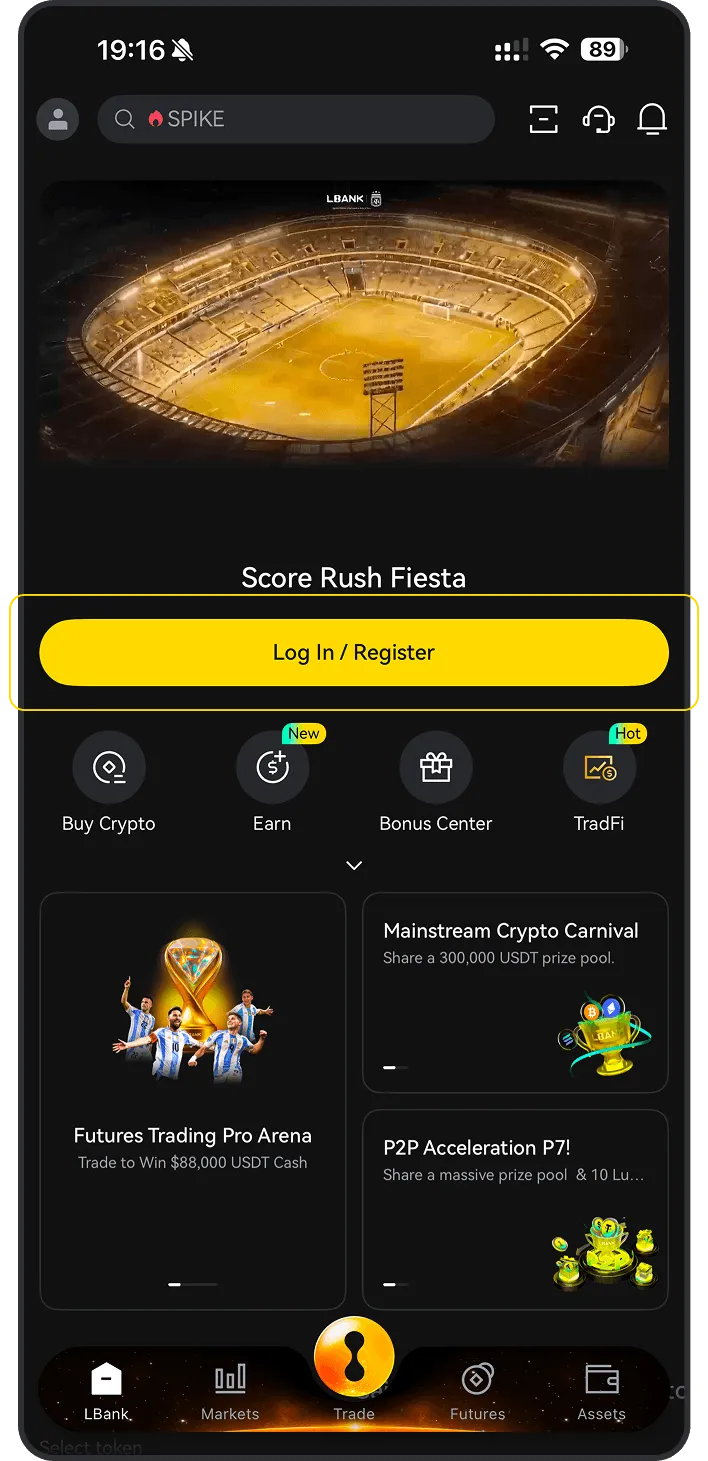
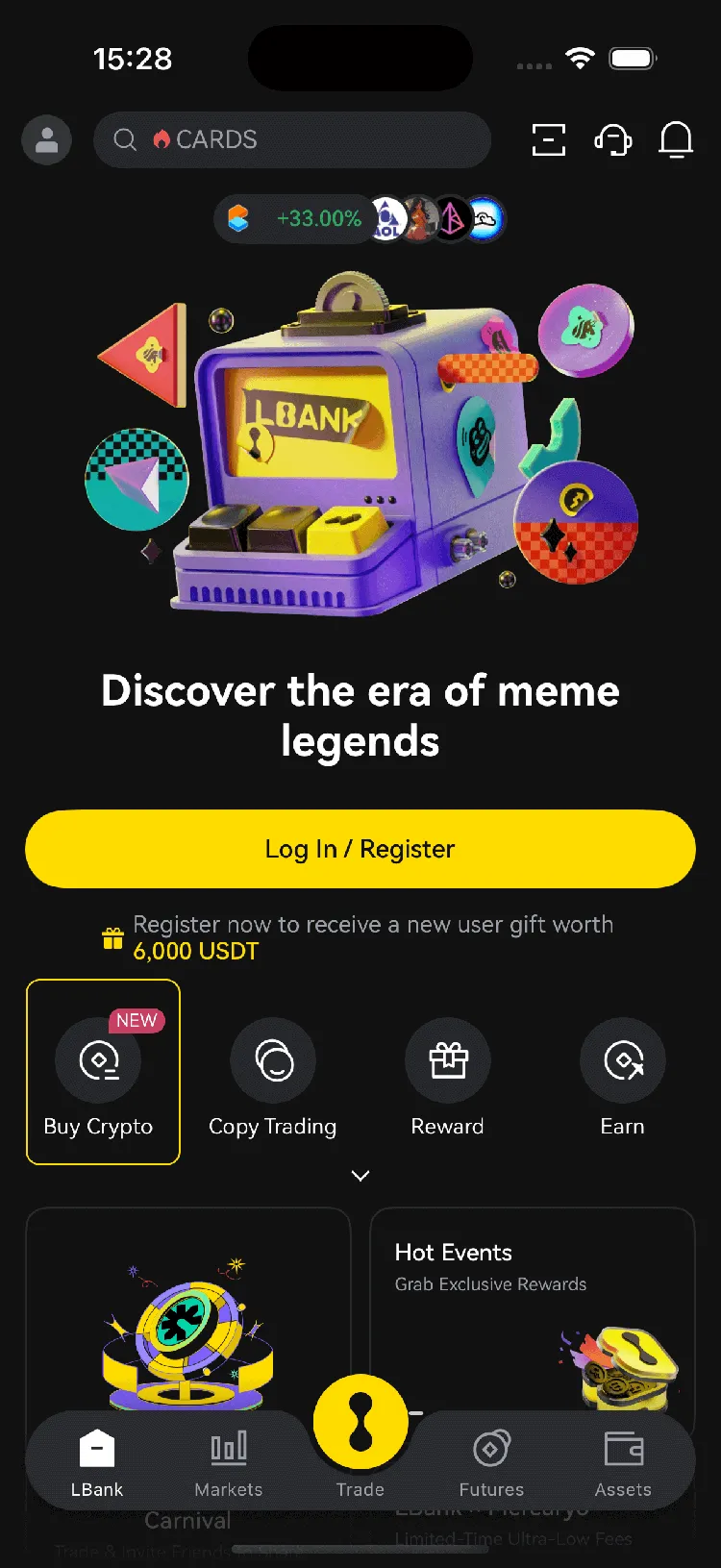
Mobile app guide

1
Open the LBank mobile app and tap “Buy Crypto”
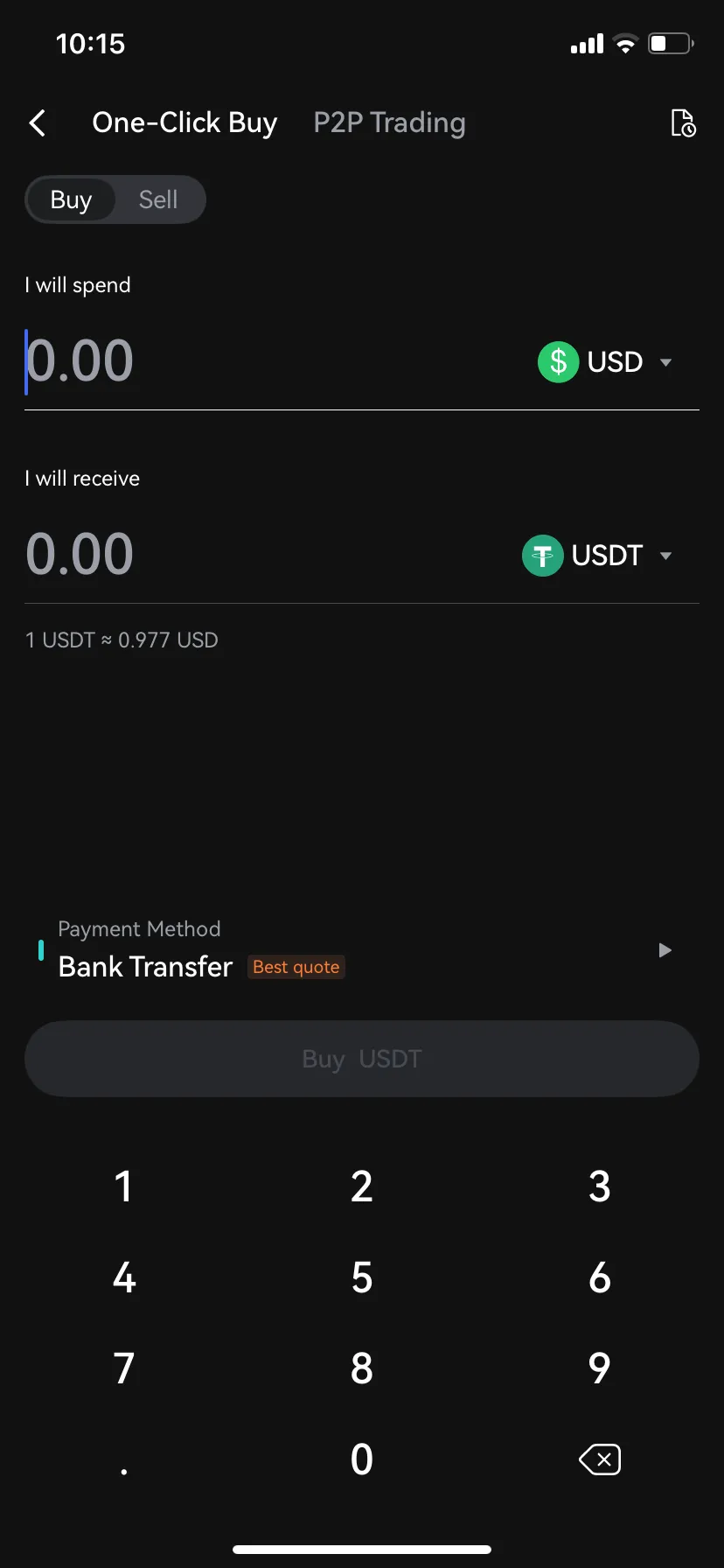
2
Select “Buy”
3
Choose , enter the fiat currency you want to use, input the amount, then tap “Buy” or “Confirm”

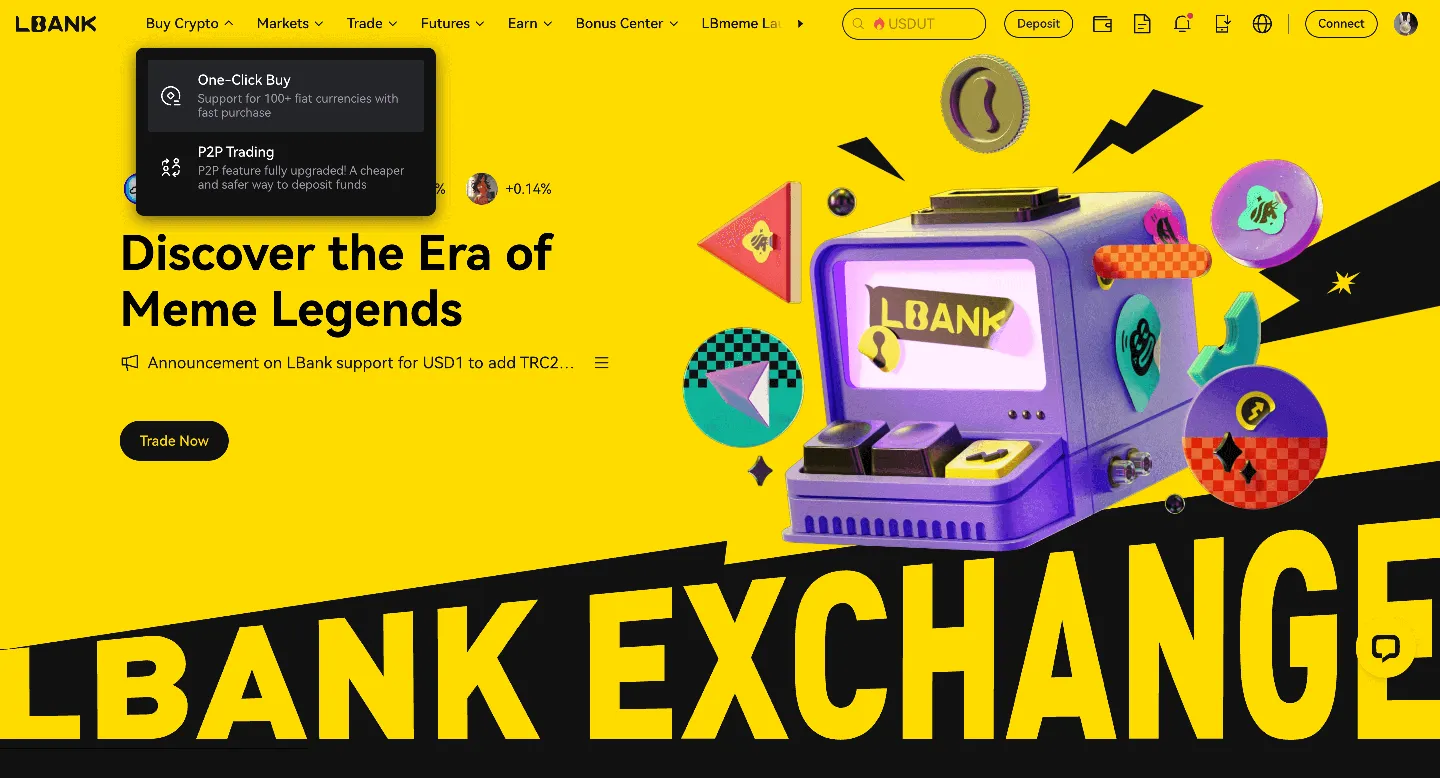
Desktop guide

1
Log in to LBank on your desktop browser and click the “One-Click Buy” option.
2
Under the “One-Click Buy” tab:

(a). Choose the fiat currency you want to use

(b). Select the SEDA you want to purchase

(c). Enter an amount or use quick-select options (e.g., 100, 200, 500, max)
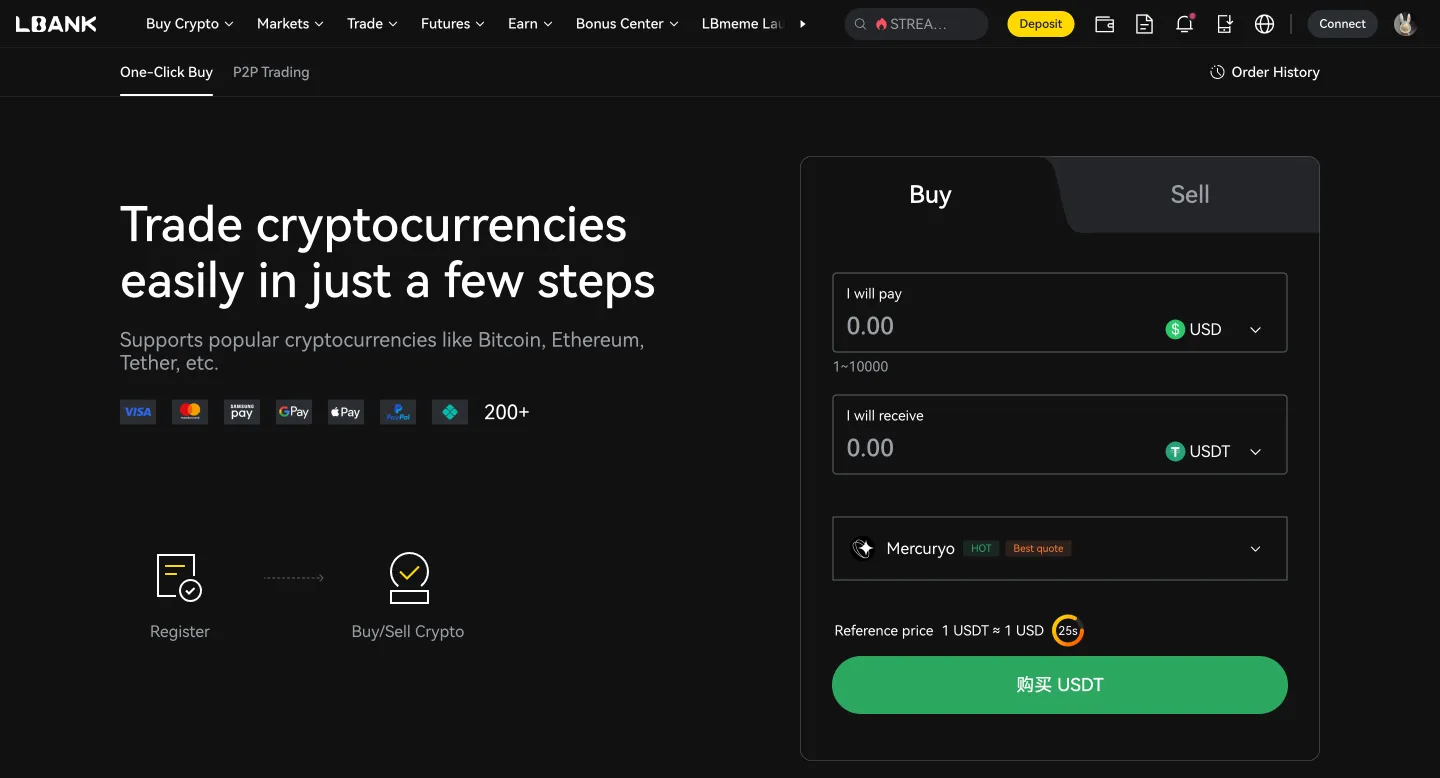
(d). Choose your payment method
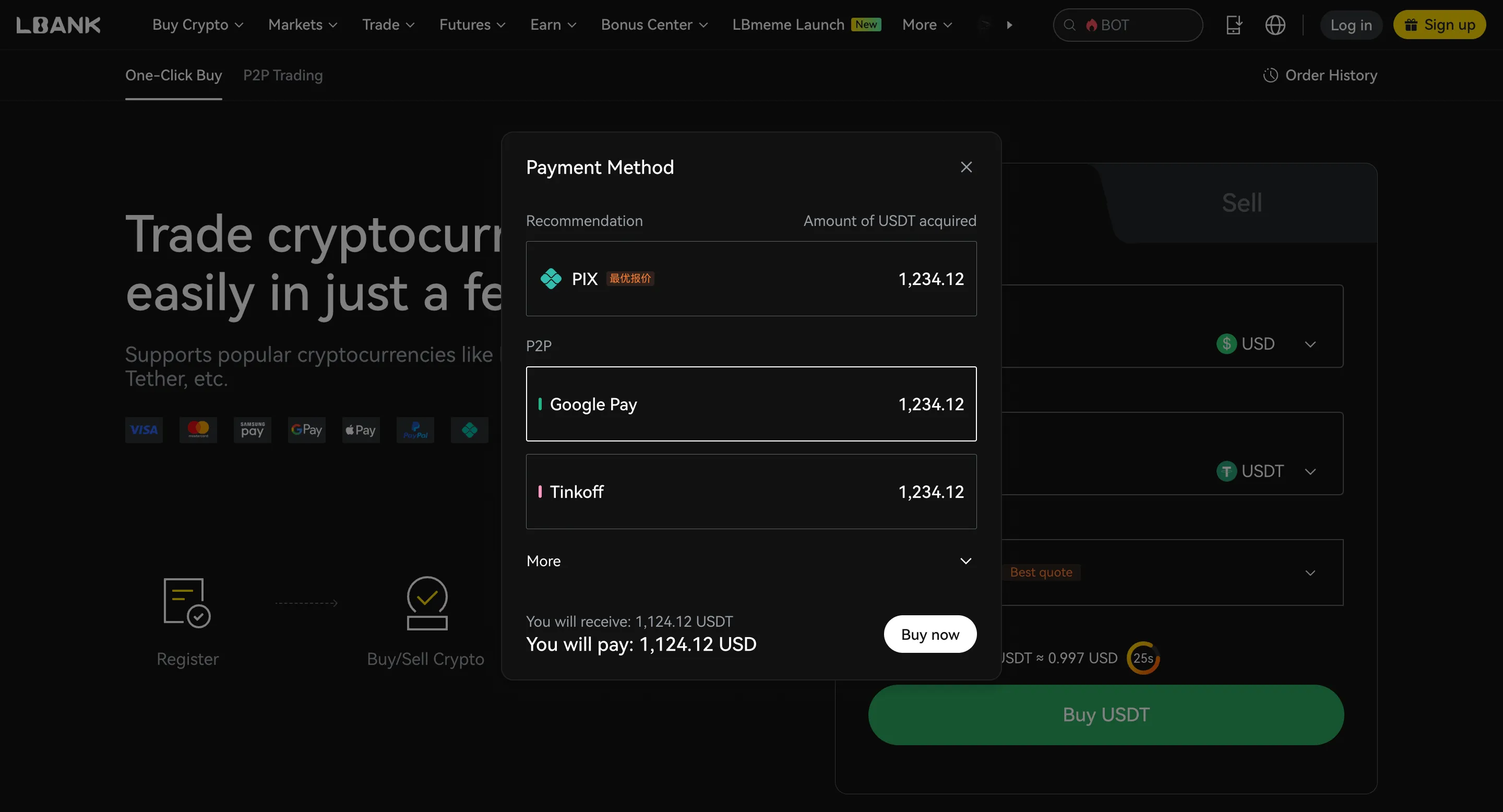
(e). Click “Confirm” or “Buy now”
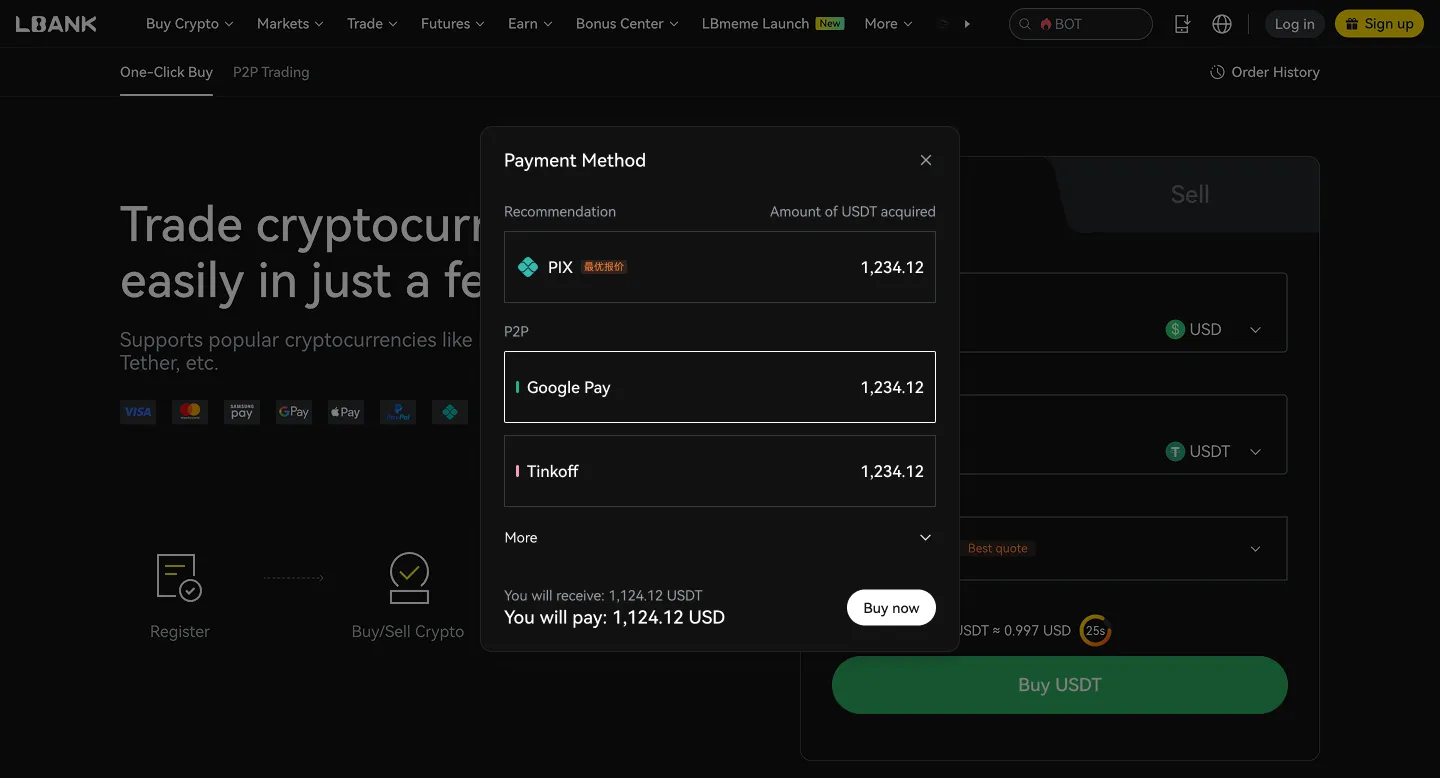
P2P Trading

Merchant
Price
Amount | Limit
Payment Method
Action
18
180-fast24x7
463 min | 100%
1.000 USD
10.00 USDT
10.000 - 10.000USD
Bank Transfer
ON
ONLY-MALAYSAN-MYR
332 min | 95.23%
1.000 USD
4658.18 USDT
10.000 - 3000.000USD
Bank Transfer
US
USDT BOOSTER
81 min | 100%
1.003 USD
811.90 USDT
10.000 - 814.000USD
Wing Money
True Money (Cambodia)
Bank Transfer (Cambodia)
ABA (Cambodia)

What is SEDA (SEDA)?

SEDA is a layer one blockchain protocol specifically designed to serve as a modular data layer and programmable oracle infrastructure for the Web3 ecosystem. Its primary objective is to bridge the gap between real-world data and various blockchain networks in a permissionless and decentralized manner. By moving beyond the traditional concept of static price feeds, SEDA allows developers to create highly customizable data requests through what it calls Oracle Programs. These programs are essentially smart contracts that define exactly how data should be fetched, aggregated, and computed before being delivered on-chain. The technical architecture of the SEDA network is composed of three main subsystems that work together to ensure data integrity and security. First, the SEDA Chain serves as the foundational ledger built on the Cosmos SDK, handling the settlement and economic finality of all data requests. Second, the Overlay Network is a distributed system utilizing Multi-Party Computation to fetch data from both public and private sources. Third, the Solver Network acts as a routing layer that facilitates the trustless flow of data between SEDA and other destination blockchains. This design makes the protocol chain-agnostic, meaning it can provide data to any blockchain environment, including Ethereum, Polygon, and various Layer 2 solutions, without requiring native deployments on every individual chain. The SEDA token is the native utility token that powers the entire ecosystem. Its primary functions include network security, governance, and protocol utilization. Users can stake or delegate their tokens to validators to help secure the network and earn rewards in return. The token is also used to pay for transaction fees and data requests within the network. To manage the token supply relative to network usage, the protocol incorporates a mechanic where tokens are burned when data requests are made, alongside an inflationary reward system for those maintaining the infrastructure. A significant aspect of SEDA is its focus on permissionless access, allowing any entity to participate as a validator, data provider, or requester without needing approval from a central authority. This openness is intended to eliminate the risks of centralization often associated with off-chain data access. The project has attracted support from several prominent venture capital firms in the crypto space, including Coinbase Ventures, Coinfund, and Distributed Global. Originally evolving from the Flux protocol, SEDA represents a shift toward a more flexible and developer-centric approach to bringing real-world information into decentralized applications. Learn more

Is SEDA (SEDA) a good investment?

Whether SEDA (SEDA) is a good investment depends on your personal financial situation and risk tolerance. Cryptocurrency investments are speculative and can be highly volatile.

Before investing in SEDA (SEDA) or any cryptocurrency, consider the following:

Your financial goals
Are you seeking short-term gains or long-term growth?
Your risk tolerance
Your risk tolerance
How much potential loss are you comfortable with?
Diversification
Diversification
Don’t put all your eggs in one basket. Spread your investments across different types of assets.
Your goals and time horizon
Cryptocurrencies are best suited for long-term investors. Disclaimer: This is not financial advice. Please do thorough research before making any investment decisions.

Fees, limits, and processing time for buying SEDA on LBank

Compare fees, transaction limits, and estimated processing times across different payment methods. Actual fees and availability may vary by region, fiat currency, payment method, and third-party providers. Please refer to the order page for final details.

ROI calculator

If I invest, how much profit will I make?
Invest
$
Enter
SEDA
Date
2026-05-28
You will earn $-- in profit, with an ROI of --

What can you do with SEDA (SEDA)?

Investment
Buy and hold SEDA (SEDA), expecting its value to increase over time.
Investment
Trade
Actively trade SEDA (SEDA) on LBank to profit from price fluctuations.
Trade
Pay
Use SEDA (SEDA) to pay for goods and services where accepted.
Pay

Why is LBank the best platform to buy SEDA (SEDA)?

User-friendly interface
LBank offers a simple and intuitive platform for buying and selling SEDA (SEDA).
Competitive fees
Competitive fees
LBank provides competitive trading fees for SEDA (SEDA).
Secure platform
Secure platform
LBank applies robust security measures to protect your funds.
Diverse trading pairs
LBank offers a wide range of trading pairs for SEDA (SEDA).
24/7 customer support
LBank provides customer support to help you with any questions or issues.
Mobile app
Mobile app
Trade SEDA (SEDA) anytime, anywhere using the LBank mobile app.
High liquidity
High liquidity
LBank offers excellent liquidity for SEDA (SEDA) trading, ensuring you can easily buy and sell your crypto assets.
Regulatory compliance
LBank complies with all regulatory requirements in the jurisdictions where it operates to ensure a compliant and secure trading environment

After buying SEDA, what is the best way to store it?

After buying SEDA, you can choose a storage method based on your usage frequency, holding period, and security needs. If you need to trade at any time, you can store it in your LBank account. If you prioritize self-custody or long-term security, consider using a personal wallet or a hardware wallet.

Store in your LBank account

Store in your LBank account

Suitable for
Users who want to trade or convert at any time
Short-term BTC holders
Features
Ready to use immediately after purchase; easier to use
Ideal for frequent trading, conversions, or using platform features
Security Alert
Please enable 2FA
Please set an anti-phishing code
Only log in through official channels
Transfer to a personal hot wallet

Transfer to a personal hot wallet

Suitable for
Users who want to manage their own assets
Users who need daily transfers or on-chain usage
Features
More flexible; convenient for daily transfers and management
Better suited for small holdings and everyday use
Security Alert
Do not store seed phrases or private keys in the cloud
Do not save sensitive information via chat tools, email, or screenshots
Stay alert for phishing websites and fake wallet apps
Transfer to a hardware wallet

Transfer to a hardware wallet

Suitable for
Long-term BTC holders
High-value holders who prioritize security
Features
Private keys are stored offline, offering enhanced security
Ideal for long-term storage of infrequently moved assets
Security Alert
Securely back up seed phrases offline
Never disclose your recovery phrase to anyone
Assets may be irrecoverable if the seed phrase is lost

SEDA (SEDA) FAQ

SEDA is a modular Layer 1 blockchain designed for programmable oracle infrastructure, connecting real-world data to any blockchain. Unlike traditional "plug-and-play" oracles with fixed data feeds, SEDA introduces "Oracle Programs." These are custom, trustless instructions that developers write to precisely define what data to fetch from the internet and how to compute it on-chain. This allows for unparalleled flexibility, enabling complex operations like averaging prices from multiple sources or retrieving specific private data, solving the "Oracle Problem" by making data access fully customizable and permissionless.
SEDA is the direct evolution of Flux Protocol. The project rebranded in early 2023 to SEDA, which stands for "Secure Data Access." This change was made to better reflect its expanded mission and technological advancements in creating a modular data layer. Holders of the original Flux ($FLX) token were given the opportunity for a 1:1 upgrade to SEDA tokens during the mainnet launch, ensuring a seamless transition for the existing community.
The SEDA token has multiple core utilities. It's used for Staking, where holders secure the network and earn rewards. Protocols must Burn SEDA tokens to request data, with more complex requests requiring greater burns, creating a demand mechanism. Holders participate in Governance, voting on critical protocol parameters like replication defaults and treasury allocations. Finally, SEDA tokens serve as Rewards for validators and data providers, incentivizing them to maintain the network's integrity and data availability.
The total supply of SEDA is strictly capped at 1 billion (1,000,000,000) tokens. The project utilizes a hybrid tokenomics model to manage circulation. It is inflationary through staking rewards, as new tokens are minted to compensate validators for securing the network. However, it is also deflationary due to its unique "request-to-burn" mechanism. When protocols request data via Oracle Programs, a certain amount of SEDA tokens is permanently removed from circulation, balancing the inflationary pressure from staking and aiming for a sustainable ecosystem.
Users can stake SEDA tokens by delegating them to a validator on the SEDA chain, typically using Cosmos-compatible wallets such as Keplr. This process helps secure the network, and stakers earn an Annual Percentage Rate (APR), currently estimated around 6.5%. Should a user decide to unstake or undelegate their tokens, there is a mandatory 21-day unbonding period. During this time, the tokens are locked and cannot be traded or earn staking rewards, a common security feature in Proof-of-Stake networks.
SEDA is designed to be fully chain-agnostic, meaning it can support a wide range of blockchain networks. It achieves this versatility through its innovative "Prover and Solver" model, eliminating the need for native oracle deployments on every single chain. This model enables SEDA to bridge data to any EVM-compatible chain, such as Ethereum, Base, and Polygon, as well as other diverse ecosystems. This approach ensures broad compatibility, allowing various blockchains to access trustless, permissionless real-world data without direct integration overhead, expanding its reach to "long-tail" chains.

How to buy other crypto assets