DEBT ($DEBT)

Buy DEBT ($DEBT) in Brazil

Learn how to buy DEBT ($DEBT) on LBank, including payment methods such as credit cards, debit cards, Apple Pay, and bank transfers, as well as the purchase process, preparations, and FAQs.

Step 1
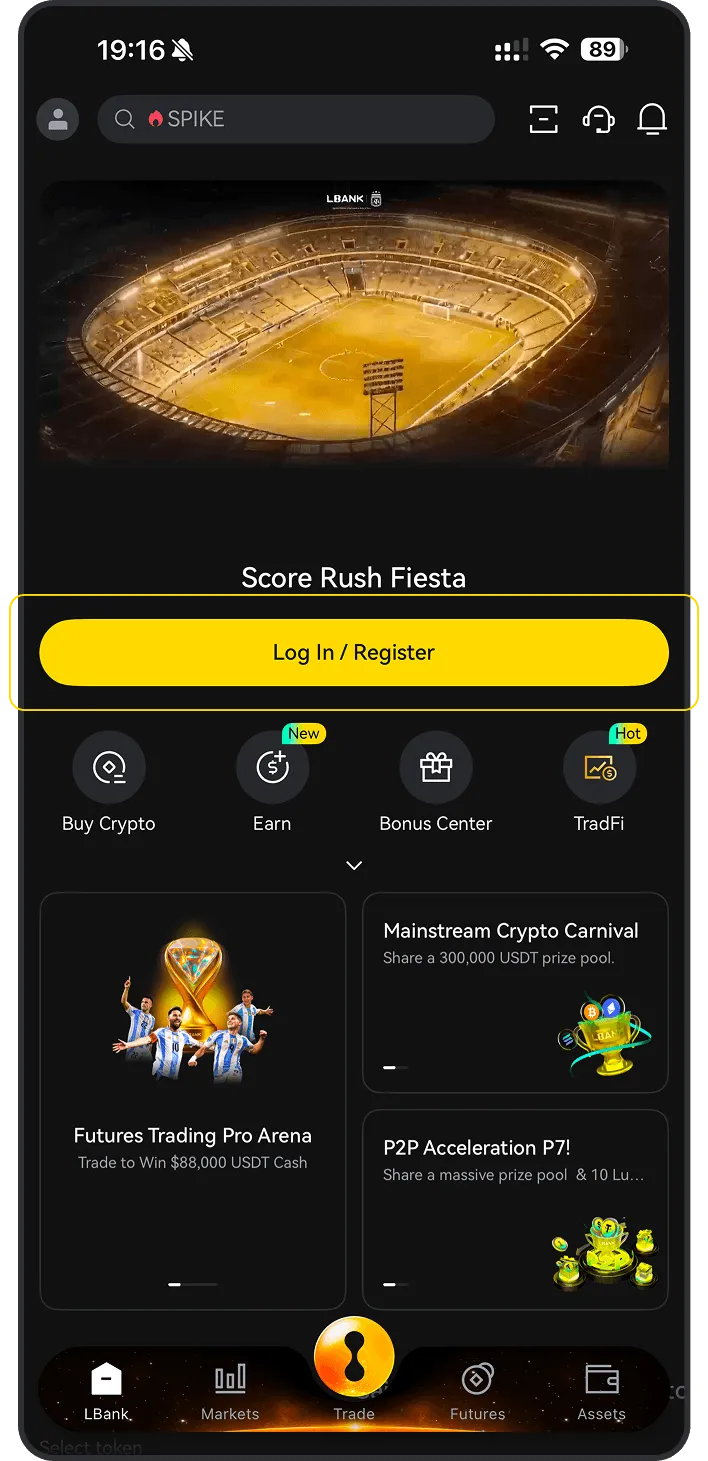
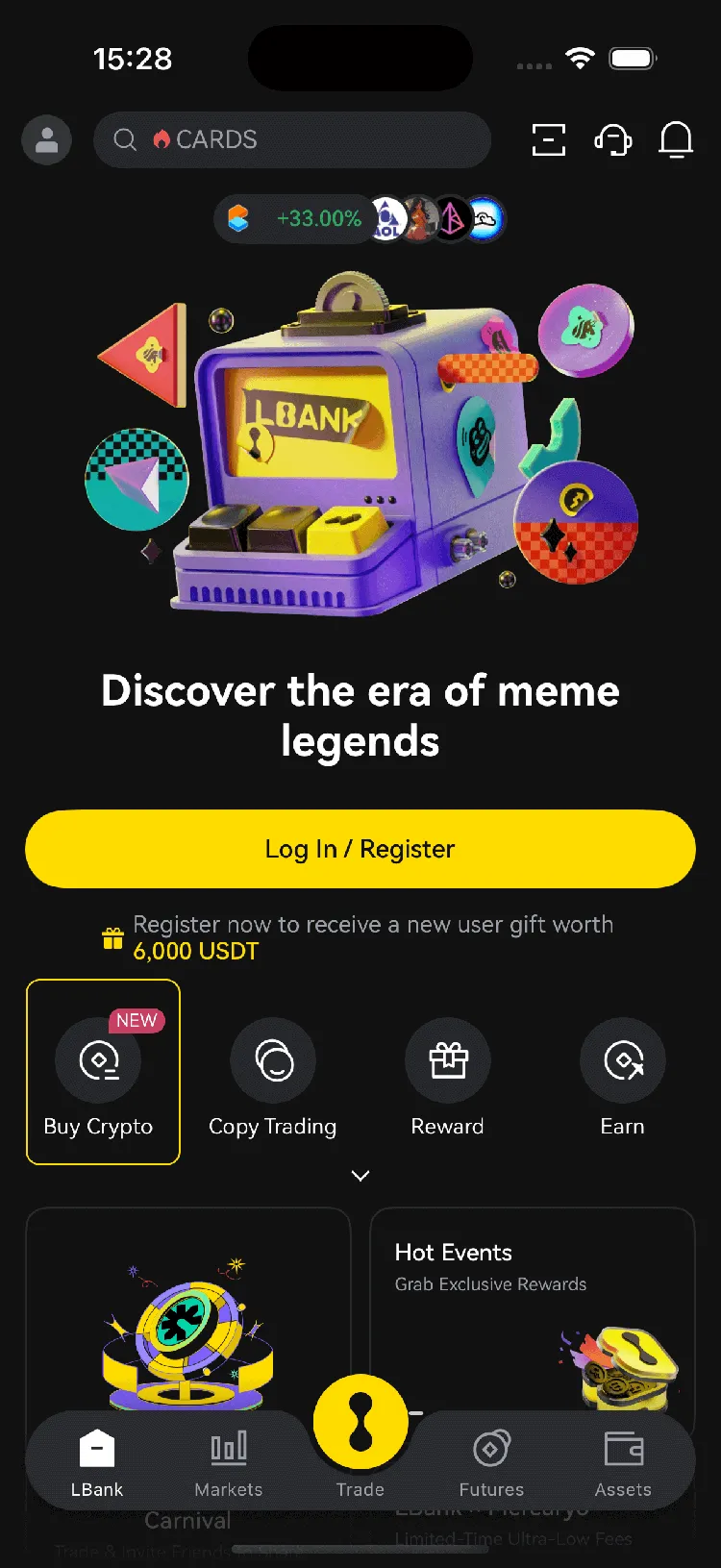
Download the LBank App
Please download the LBank App and register to get started
Step 2
Fund your account
Deposit using your preferred payment method.
Step 3
Choose your cryptocurrency
Select the crypto you want to buy from over 3,000,000 cryptocurrencies available on LBank Exchange or Wallet.

Purchase Decision Overview

Credit / Debit Card

Credit / Debit Card

Fee
Variable Fees
Processing Time
Usually within 1 minute, up to 48 hours
Minimum Purchase Amount
Starting from approx. 10–15 USD
Supported Regions
Subject to region, fiat currency, issuing bank, and payment channel support
Bank Transfer / Local Transfer

Bank Transfer / Local Transfer

Fee
Variable Fees
Processing Time
Depends on the payment method; some local channels may be faster
Minimum Purchase Amount
Starting from approx. 1–10 USD
Supported Regions
Subject to local payment channel support

Three Simple Steps to Buy $DEBT on LBank

Register an LBank account

How to Buy $DEBT on LBank: Payment Methods Overview

Explore the available payment methods for buying $DEBT on LBank, including credit card, debit card, bank transfer, Apple Pay, Google Pay, PayPal, and P2P, to quickly choose the most suitable way to buy $DEBT.

Credit / Debit Card
Credit / Debit Card
Processing Time: Usually within 1 minute; up to 48 hours
Use a Visa/Mastercard that supports international online transactions and ensure 3D Secure is enabled; if it fails, try a different card or try again later
Common Reasons for Failure: The issuing bank declined the cryptocurrency transaction; insufficient balance; 3D Secure verification failed; risk control interception; or region/card network not supported
Bank Transfer / Local Transfer
Processing Time: Instant or 1–3 Business Days
Verify the receiving account, reference code, and transfer network, and use a bank account consistent with your identity verification
Common Reasons for Failure: Incorrect receiving information or reference code; name mismatch; bank processing delay; or unsupported transfer network

What Do You Need to Prepare Before Buying DEBT ($DEBT) on LBank?

Check the preparations required before buying DEBT ($DEBT) on LBank, including account registration, identity verification (KYC), payment methods, regional availability, and pre-purchase precautions to help you smoothly complete the BTC purchase process.

Suitable for
Users who want to quickly buy $DEBT with fiat
Before You Buy: Checklist
Register and log in to your account
Complete required KYC
Prepare payment method
Confirm regional availability,Check limits / fees / processing time
User Path
Buy Crypto

How to Buy DEBT on LBank – Step-by-Step Guide

Before you begin, decide how you’d like to pay:

Pay with fiat

If you're new to crypto, using fiat currency (such as USD, EUR, etc.) is the easiest way to buy DEBT. LBank supports various payment methods, including debit cards, credit cards, bank transfers, and other local payment options where available. You may need to fund your LBank account before making a purchase.

Pay with other cryptocurrencies

If you already hold other cryptocurrencies, you can trade them for DEBT on LBank. Please make sure that LBank supports the trading pair you need (e.g., Bitcoin (BTC)). LBank offers a wide range of trading pairs, allowing you to conveniently convert your existing crypto into DEBT.

LBank supports multiple payment methods

You can use the following payment methods to purchase DEBT on LBank:

Debit card
Credit / Debit Card
PayPal
Apple Pay
Google Pay

Mobile app guide

1
Open the LBank mobile app and tap “Buy Crypto”
2
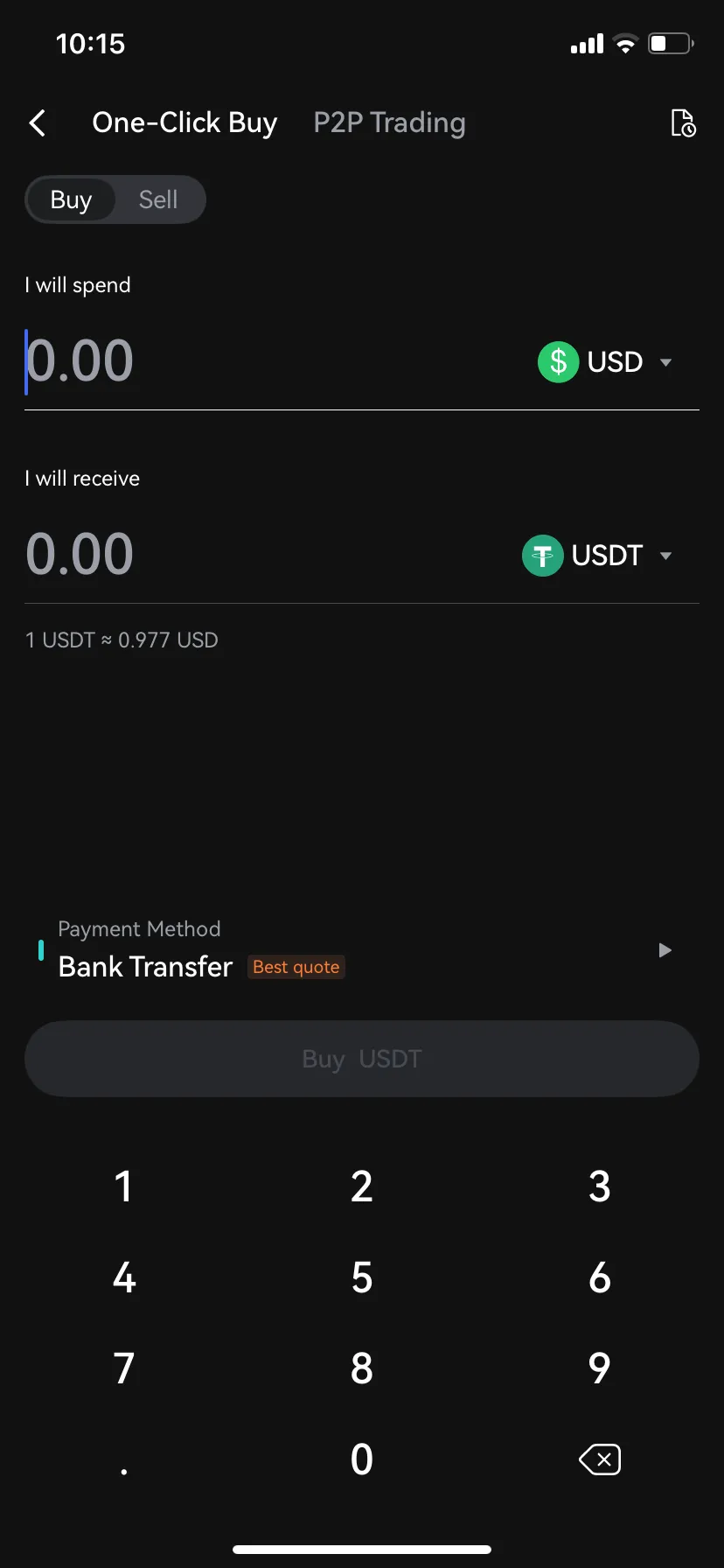
Select “Buy”
3
Choose , enter the fiat currency you want to use, input the amount, then tap “Buy” or “Confirm”

Desktop guide

1
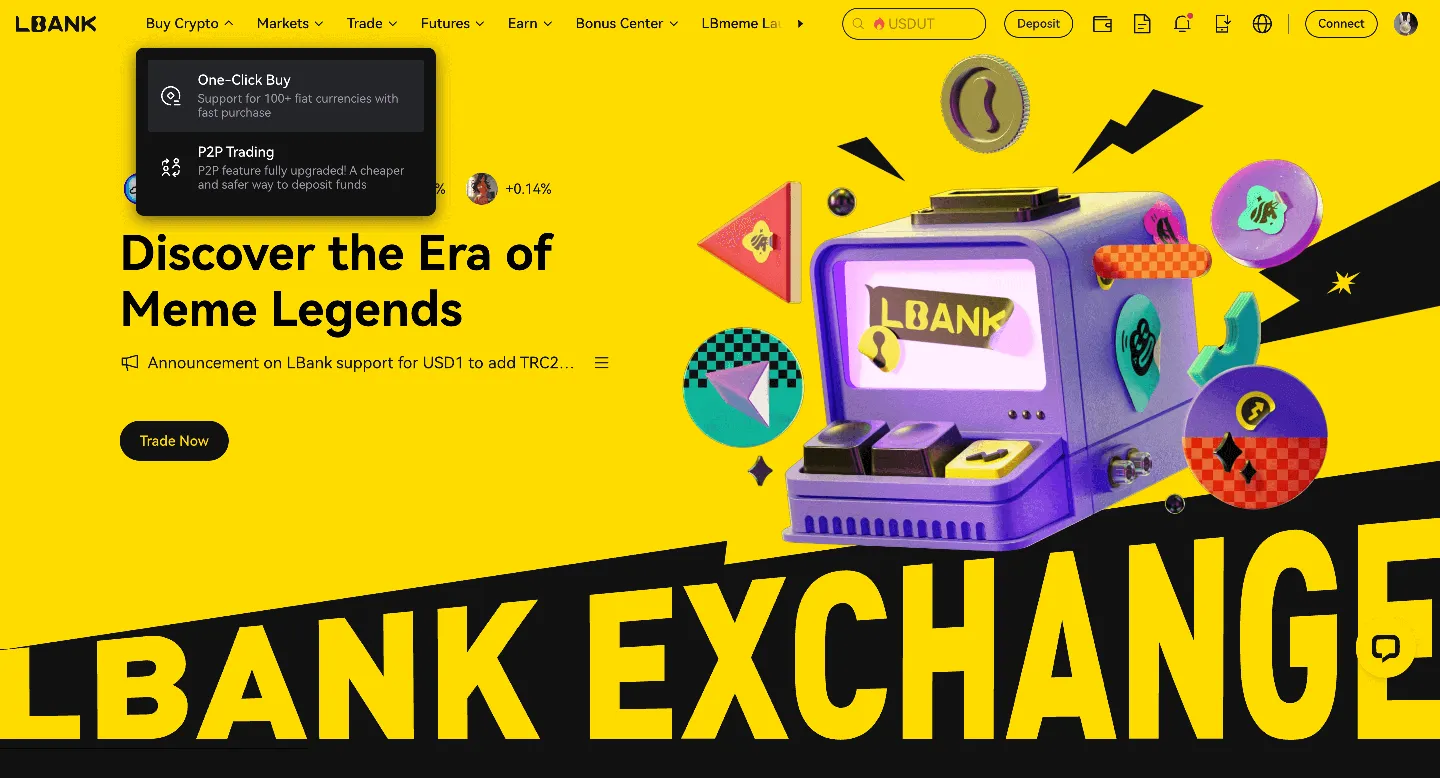
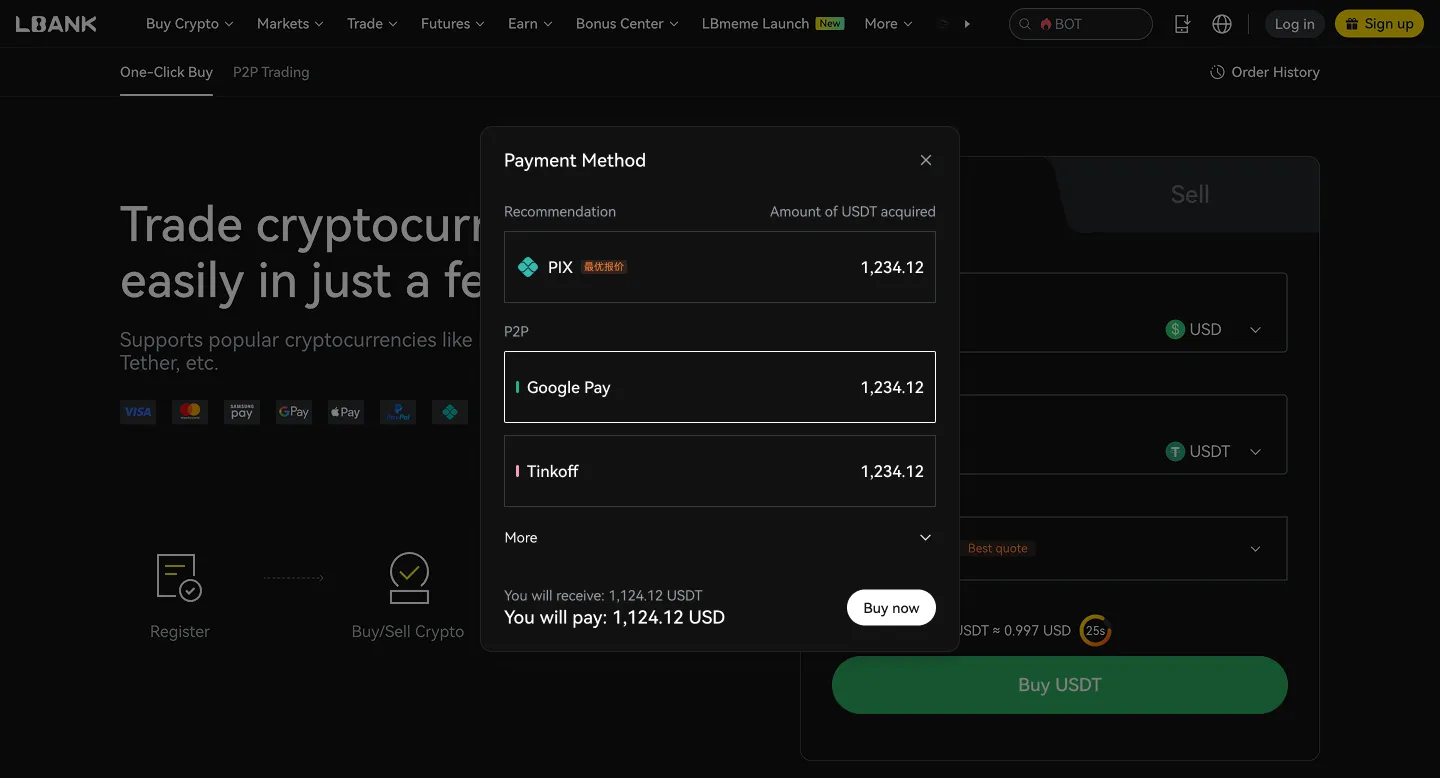
Log in to LBank on your desktop browser and click the “One-Click Buy” option.
2
Under the “One-Click Buy” tab:

(a). Choose the fiat currency you want to use

(b). Select the DEBT you want to purchase

(c). Enter an amount or use quick-select options (e.g., 100, 200, 500, max)
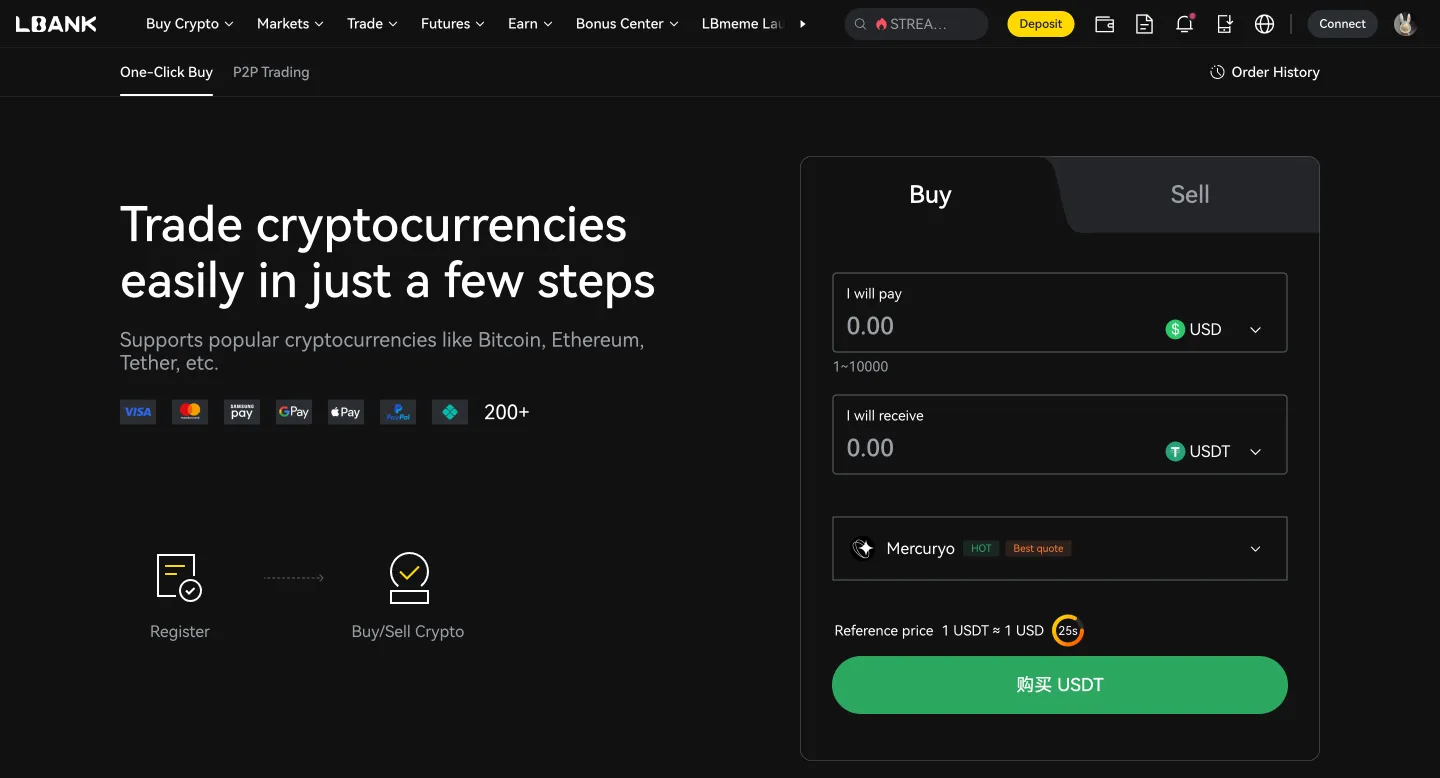
(d). Choose your payment method
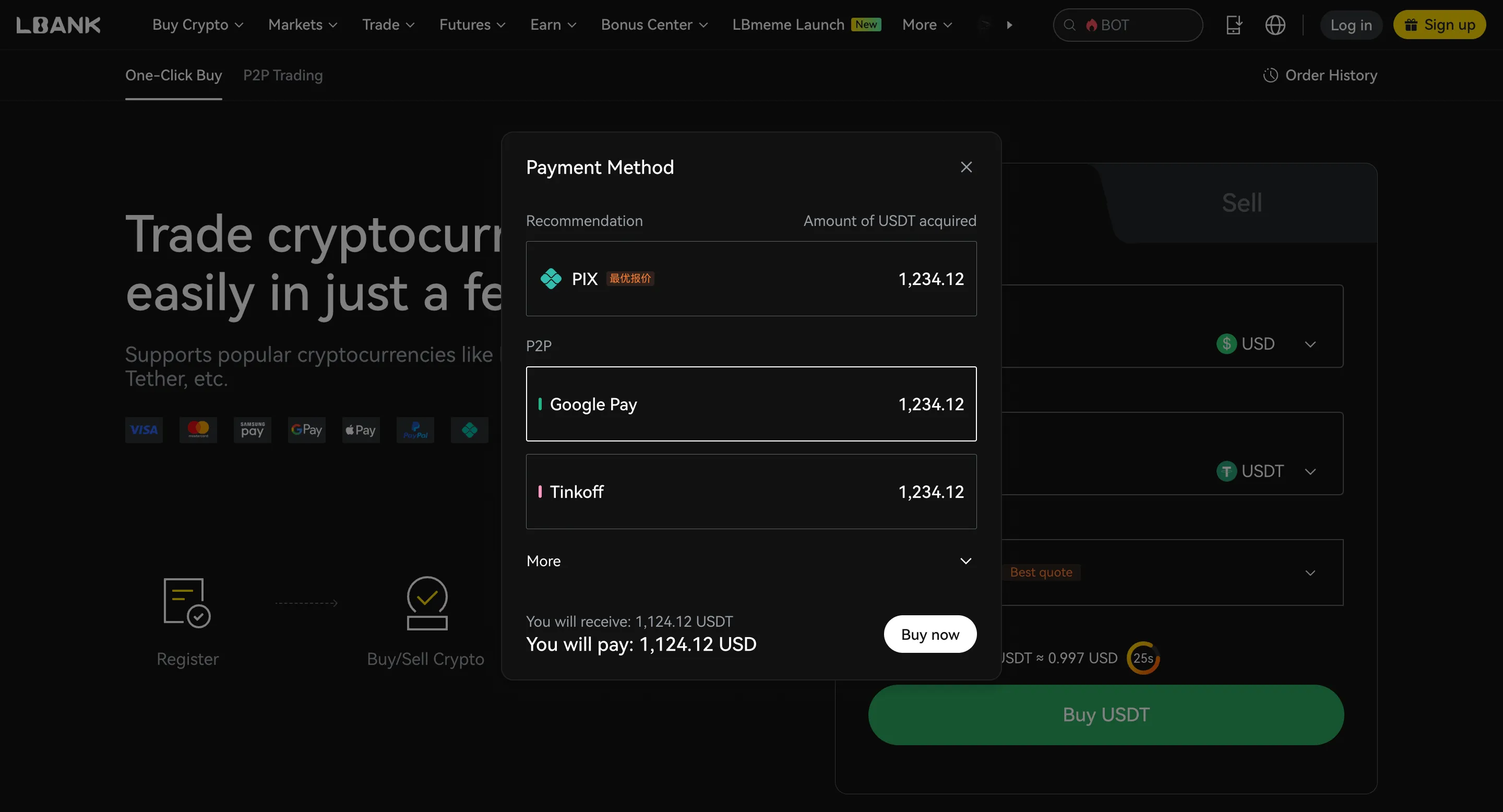
(e). Click “Confirm” or “Buy now”
P2P Trading

Merchant
Price
Amount | Limit
Payment Method
Action
18
180-fast24x7
466 min | 100%
1.000 USD
10.00 USDT
10.000 - 10.000USD
Bank Transfer
SS
Sswap
174 min | 100%
1.003 USD
3843.91 USDT
50.000 - 3855.000USD
Wing Money
True Money (Cambodia)
Bank Transfer (Cambodia)
ABA (Cambodia)
NI
Nita_Global
332 min | 100%
1.003 USD
1000.00 USDT
50.000 - 1000.000USD
Wing Money
ABA (Cambodia)

What is DEBT ($DEBT)?

The term DEBT or the token symbol debt typically refers to two distinct initiatives within the crypto and Web3 space. The most prominent project is The Debt Box, which is a decentralized ecosystem built on the BNB blockchain. Its primary objective is to bridge the gap between digital assets and the physical world through the tokenization of real-world assets. The Debt Box ecosystem focuses on supporting projects linked to tangible commodities such as gold, silver, crude oil, natural gas, agriculture, and real estate. The project operates through a unique node-based mechanism. In this system, users can purchase node licenses for specific projects, which allows them to participate in the network and receive rewards generated by the production activities of the underlying physical assets. The DEBT token serves as the central utility token for this entire ecosystem. It is used to facilitate transactions, manage reward withdrawals, and provide liquidity across the platform. By connecting blockchain technology with physical production and revenue-generating commodities, the project aims to add a layer of stability and utility to the decentralized finance landscape. Separately, there is a more recent project called DebtCoin, which operates on the Solana blockchain. This project is characterized as a memecoin with a mission focused on civic engagement. Its stated purpose is to contribute to the reduction of the United States national debt. The project identifies itself as a serious experiment in using crypto-powered activity to impact real-world fiscal policy. It achieves this by redirecting fees generated from trading activities into contributions sent directly to the U.S. Treasury through official government payment portals. While it utilizes the culture of memecoins, its primary function is to raise awareness about national debt issues and provide a verifiable way for on-chain activity to support a public cause. In a broader technical sense, debt tokens also refer to a category of security tokens that represent digital versions of traditional debt instruments like corporate bonds or loans. These instruments use smart contracts to automate processes such as interest payments and maturity management, offering greater transparency and fractional ownership compared to traditional financial systems. In summary, the specific token debt is most frequently associated with The Debt Box and its real-world asset tokenization ecosystem, though it may also refer to the Solana-based DebtCoin project or the general concept of tokenized debt securities. Both projects leverage blockchain technology to create links between digital tokens and established economic or civic frameworks. Learn more

Is DEBT ($DEBT) a good investment?

Whether DEBT ($DEBT) is a good investment depends on your personal financial situation and risk tolerance. Cryptocurrency investments are speculative and can be highly volatile.


Before investing in DEBT ($DEBT) or any cryptocurrency, consider the following:

Your financial goals
Are you seeking short-term gains or long-term growth?
Your risk tolerance
Your risk tolerance
How much potential loss are you comfortable with?
Diversification
Diversification
Don’t put all your eggs in one basket. Spread your investments across different types of assets.
Your goals and time horizon
Cryptocurrencies are best suited for long-term investors. Disclaimer: This is not financial advice. Please do thorough research before making any investment decisions.

Fees, limits, and processing time for buying $DEBT on LBank

Compare fees, transaction limits, and estimated processing times across different payment methods. Actual fees and availability may vary by region, fiat currency, payment method, and third-party providers. Please refer to the order page for final details.

ROI calculator

If I invest, how much profit will I make?
Invest
$
Enter
$DEBT
Date
2026-05-28
You will earn $-- in profit, with an ROI of --

What can you do with DEBT ($DEBT)?

Investment
Buy and hold DEBT ($DEBT), expecting its value to increase over time.
Investment
Trade
Actively trade DEBT ($DEBT) on LBank to profit from price fluctuations.
Trade
Pay
Use DEBT ($DEBT) to pay for goods and services where accepted.
Pay

Why is LBank the best platform to buy DEBT ($DEBT)?

User-friendly interface
LBank offers a simple and intuitive platform for buying and selling DEBT ($DEBT).
Competitive fees
Competitive fees
LBank provides competitive trading fees for DEBT ($DEBT).
Secure platform
Secure platform
LBank applies robust security measures to protect your funds.
Diverse trading pairs
LBank offers a wide range of trading pairs for DEBT ($DEBT).
24/7 customer support
LBank provides customer support to help you with any questions or issues.
Mobile app
Mobile app
Trade DEBT ($DEBT) anytime, anywhere using the LBank mobile app.
High liquidity
High liquidity
LBank offers excellent liquidity for DEBT ($DEBT) trading, ensuring you can easily buy and sell your crypto assets.
Regulatory compliance
LBank complies with all regulatory requirements in the jurisdictions where it operates to ensure a compliant and secure trading environment

After buying $DEBT, what is the best way to store it?

After buying $DEBT, you can choose a storage method based on your usage frequency, holding period, and security needs. If you need to trade at any time, you can store it in your LBank account. If you prioritize self-custody or long-term security, consider using a personal wallet or a hardware wallet.

Store in your LBank account

Store in your LBank account

Suitable for
Users who want to trade or convert at any time
Short-term BTC holders
Features
Ready to use immediately after purchase; easier to use
Ideal for frequent trading, conversions, or using platform features
Security Alert
Please enable 2FA
Please set an anti-phishing code
Only log in through official channels
Transfer to a personal hot wallet

Transfer to a personal hot wallet

Suitable for
Users who want to manage their own assets
Users who need daily transfers or on-chain usage
Features
More flexible; convenient for daily transfers and management
Better suited for small holdings and everyday use
Security Alert
Do not store seed phrases or private keys in the cloud
Do not save sensitive information via chat tools, email, or screenshots
Stay alert for phishing websites and fake wallet apps
Transfer to a hardware wallet

Transfer to a hardware wallet

Suitable for
Long-term BTC holders
High-value holders who prioritize security
Features
Private keys are stored offline, offering enhanced security
Ideal for long-term storage of infrequently moved assets
Security Alert
Securely back up seed phrases offline
Never disclose your recovery phrase to anyone
Assets may be irrecoverable if the seed phrase is lost

DEBT ($DEBT) FAQ

The D.E.B.T. Box is a decentralized ecosystem built around multiple commodity-based tokens, such as BGLD (gold), NATG (natural gas), and GROW (agriculture). Within this ecosystem, the $DEBT token functions as the primary utility and support asset. It is designed to pair with other project tokens to facilitate liquidity across the internal marketplace. By acting as a central hub for various commodity-linked assets, $DEBT ensures that the ecosystem remains interconnected and functional for users participating in different commodity pools.
A common point of inquiry involves the relationship between the project's digital tokens and real-world commodities like oil, gold, or minerals. The project asserts that its tokens are supported by the production of real-world commodities. According to the D.E.B.T. Council—the project's governing body—these tokens are linked to tangible industries. While the project emphasizes this connection to physical asset production, users often monitor the transparency of these links to understand how real-world commodity yields influence the ecosystem’s growth and distribution models.
Unlike traditional proof-of-work mining that requires heavy hardware, The D.E.B.T. Box utilizes Software Mining Licenses. These are essentially node software packages that grant holders the right to receive daily token rewards from the ecosystem's mining pools. These licenses are available for various commodity projects within the ecosystem. A key feature is their flexibility; standard licenses can often be converted into transferable NFTs. This allows users to trade or sell their mining positions on compatible secondary marketplaces, providing an exit strategy for those no longer wishing to participate.
The $DEBT token has a fixed total supply of 50 million tokens. To manage its distribution, the project implements a specific half-life schedule rather than a traditional halving event. Under this model, 50% of the remaining token pool is distributed annually to license holders and the D.E.B.T. Council. This mechanism is designed to incentivize early adopters while ensuring a long-term, predictable release of tokens. The Council oversees this distribution and manages the Ecosystem Growth Initiative (EGI) to maintain liquidity and support new market integrations.
The D.E.B.T. Box gained significant attention due to a high-profile legal battle with the SEC. While the agency initially filed a lawsuit alleging fraud, the case took a rare turn when the court sanctioned the regulatory body. The judge found that the regulator had made false and misleading statements to obtain an emergency asset freeze against the project. Consequently, the regulator was ordered to pay the project's legal fees. This outcome is often cited by the community as a significant milestone regarding the project's legal resilience and operational standing.
The project recently transitioned to Version 2 (V2), which requires users to migrate their assets. This involves importing mnemonic phrases into compatible decentralized wallets and minting old licenses into the new V2 ecosystem. Regarding withdrawals, users collect rewards from their mining balance into a private wallet. This process requires BNB to cover gas fees on the blockchain, and some transactions may involve a small processing fee. It is crucial for users to use official contract addresses for ecosystem tokens to ensure security and avoid fraudulent or unofficial assets.

How to buy other crypto assets