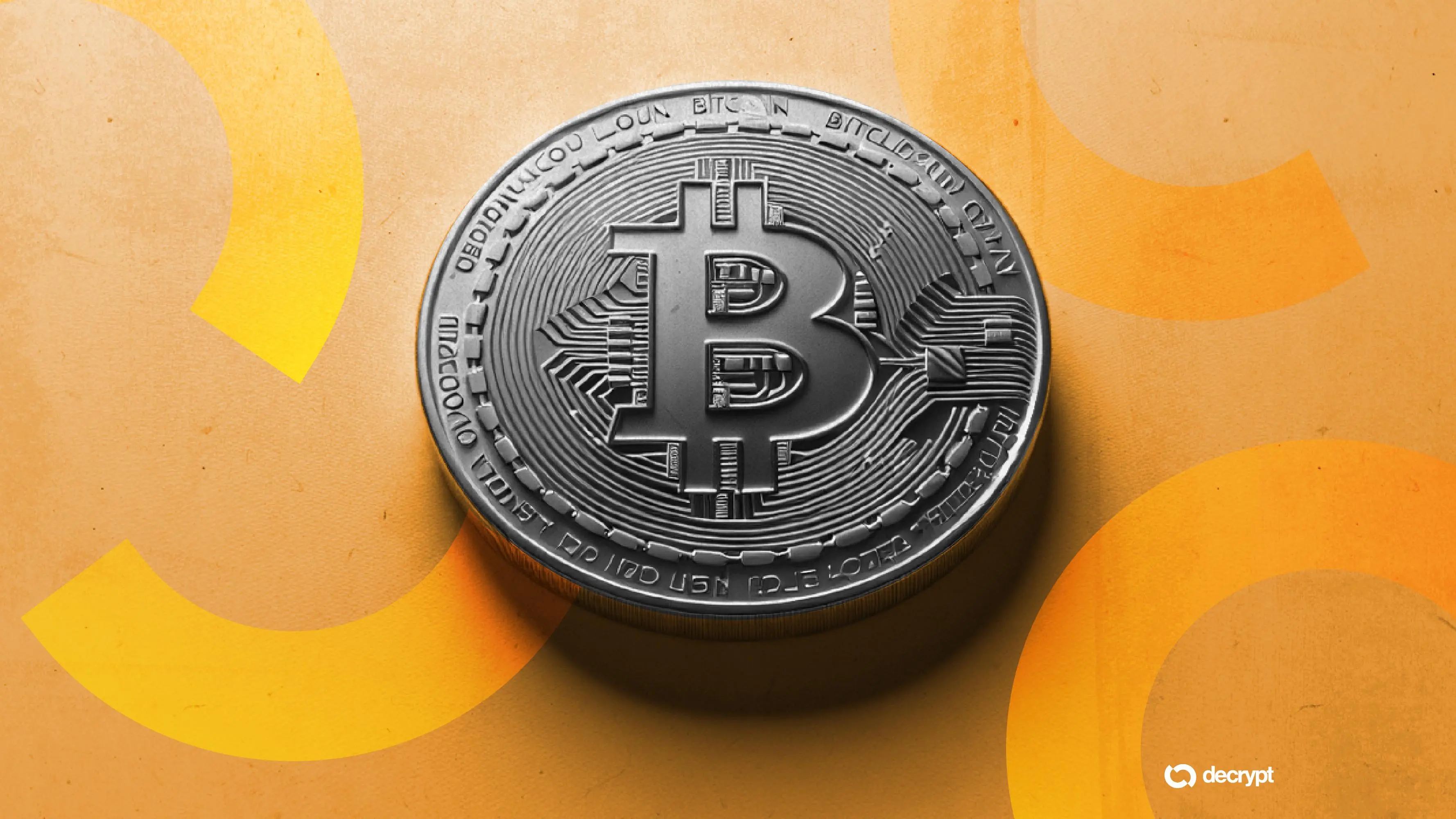
The crypto-backed loan market in 2026 looks nothing like the one that seized up in 2022. Borrowers can pledge Bitcoin, Ethereum, or Solana for cash without losing their position and may also avoid triggering a tax* event across DeFi protocols, centralized lenders, and regulated hybrids. The category has matured, and the lenders still standing rebuilt around the failures of the ones that aren't.
That maturity creates a new problem: the offers now look alike on the surface, and a headline rate tells you almost nothing about what you are signing. Here is a framework for evaluating any crypto-backed loan in 2026 — and the questions that separate a durable lender from a fragile one.
Start with the rate — then move past it
Rate is where every comparison begins, and where most end too early.
DeFi protocols advertise variable rates that float with pool utilization — sometimes very low, never fixed. Centralized and hybrid lenders quote fixed rates, usually high single digits to mid-teens depending on loan-to-value. A fixed rate is a different product from a variable one: it prices certainty.
What a rate hides is the all-in cost: origination fees, optional protection fees, and the LTV tier all move the real number. Figure's crypto-backed loan, a regulated hybrid, posts 8.91% (9.999% APR) at 50% LTV — origination fee folded into that APR3. Ask for the APR, not the rate.
They’re also giving away $50 when you Deposit $500!
Custody: three models, three risk profiles
Custody decides what happens to your collateral if the lender fails. There are three models.
Centralized custody: the lender takes your crypto onto its balance sheet or into an omnibus account. You hold a claim, not the asset. It is the model behind the centralized lenders that faced well-documented solvency issues in past cycles — when one failed, depositors became unsecured creditors.
On-chain and non-custodial: a protocol such as Aave holds collateral in a smart contract. No company can spend it — but no company answers for it either. You carry contract risk, oracle failure, and instant algorithmic liquidation.
Hybrid: collateral sits in a segregated, on-chain wallet recorded on a public blockchain, while a licensed lender originates and services the loan. Figure runs this model — collateral is held in secure MPC custody wallets on the native L1 chain of the crypto collateral asset (Bitcoin for BTC, Etherium for ETH, Solana for SOL), with the private keys to the crypto split into multiple shards among the node providers on the multi-party-computation custody network, which interacts with the Provenance blockchain to effect liquidations and instantaneous atomic settlement. The borrower always retains the ability to verify the location of their crypto directly on chain while it is held in MPC custody.
Ask where your collateral lives, who can move it, and what a court would call you if the lender failed.
Liquidation: read the cure window
Every crypto-backed loan can liquidate your collateral if its value falls. What separates lenders is how much room they give you first.
DeFi protocols liquidate algorithmically the moment a loan-to-value line is crossed — no notice, no grace period. Centralized and hybrid lenders generally issue a margin call and a cure window: a defined period to add collateral or pay down principal before any sale.
Some go further. Figure's Liquidation Protection2, an optional add-on for an additional fee, which allows users to have protection against margin calls and liquidations related to price movement. With liquidation protection enabled, a market drop alone need not force a sale — though it does not cover missed payments or default, and availability varies by state.
The cure window matters beyond stress: a forced liquidation is a sale, and a sale is a taxable event. Whoever controls the timing of that sale has a hand in your tax bill.*
Regulatory wrapping: who actually licenses you
The 2022 failures were not technology failures. They were structural — unlicensed lending, commingled customer assets, entity arrangements no regulator was watching.
So ask who licenses the loan. In the US, a crypto-backed loan is still a loan: it should sit inside a named lending entity with state licenses and an NMLS registration you can look up1. A lender that cannot point you to that registration has answered the question.
Ask which entity is extending your credit, and whether it is bankruptcy-remote from the trading and custody business. Figure's structure shows the pattern: its crypto-backed loans are originated through Figure Lending LLC and Figure Markets Credit LLC — distinct licensed entities, each with its own NMLS ID. That separation is not paperwork. It determines which creditor line you stand in if something upstream breaks.
Rehypothecation and segregation
One question does more work than any other, and few borrowers ask it: can the lender lend out your collateral?
Rehypothecation — reusing pledged collateral to fund the lender's own activities — was a quiet feature of several platforms that later failed. It looks like nothing until it matters: when your Bitcoin is somewhere else and the lender cannot return it.
The protection is segregation: collateral held in an account that is yours, not pooled into an omnibus wallet the lender draws on. Read the loan agreement for explicit no-rehypothecation language, and confirm the collateral sits in a segregated wallet. If the answer comes back vague, treat the vagueness as the answer.
The 2026 evaluation checklist
Before signing any crypto-backed loan, get clear answers to eight questions:
Figure publishes a side-by-side comparison on terms much like these, measuring its crypto-backed loan against lenders such as Ledn and Arch — a useful template, whoever you borrow from.
The point is to ask the questions before you need the answers — to bring to borrowing the diligence the market spent three years rebuilding. See how Figure structures its crypto-backed loan against each of these criteria and why they’re worth checking out.
Don’t forget they’re giving away $50 to new users who deposit $500!**
© 2026 Figure Markets
Investing in cryptocurrencies involves significant risks. Cryptocurrency trading is not available in NY. Please click here for risk disclosures on investing and trading in cryptocurrencies.
Investment products: Not FDIC Insured, No Bank Guarantee, May Lose Value.
Figure.com | Licenses | ©2025 Figure Lending LLC dba Figure | 650 S. Tryon Street, 8th Floor, Charlotte, NC 28202 | (888) 819-6388. NMLS # 1717824 | For licensing information, go to www.nmlsconsumeraccess.org
1. In certain states, loans can be made above a certain size and under a certain state without requiring a lending license. Many lenders use these exceptions when offering CBLs..To review a Lender’s licenses visit www.nmlsconsumeraccess.org
2. Liquidations will still occur if the loan becomes delinquent. Liquidation Protection applies only to margin calls and liquidations related to price declines, not to missed payments, defaults, or violations of loan terms. Liquidation protection is only available in CA, NY, FL, PA, AL, AK, GA, HI, MA, UT. More information about liquidation protection can be found here.
Repayment Period (Minimum-Maximum): 12 months
3. Maximum APR: 12.62% APR (APR includes interest plus applicable fees such as the 1% origination fee). Available interest rates for Figure's Crypto-Backed Loan are 8.91% (9.999% APR) at 50% LTV or 11.50% (12.62% APR) up to 75%.
Representative Example (Total Cost): As an example, a borrower receives a Crypto Backed Loan at 50% LTV of $10,000 for a term of 12 months, with an interest rate of 8.91% and a 1% origination fee of $100, for an APR of 9.999%. In this example, the borrower will receive $10,000 and will make 12 monthly payments of $74.25. Rates will be higher for applications secured by assets with a higher LTV ratio. The Figure Crypto-Backed Loan has a 12 month interest-only repayment term and allows for a maximum initial LTV ratio of 75%. Interest rates change frequently so your exact interest rate will depend on the date you apply and may depend on many factors such as LTV ratio.
** https://www.figuremarkets.com/disclosures/figure-markets-welcome-bonus-program/
* Crypto borrowing is generally non-taxable, but liquidation triggers an IRS taxable sale. Not tax advice; consult a CPA.
Figure Lending, LLC, Figure Payments Corporation, Figure Markets Credit LLC, and Figure Markets, Inc. are each wholly owned subsidiaries of Figure Technology Solutions, Inc. Products and services of all of these entities are offered under the Figure Markets brand. NOTE FOR INVESTORS: When applying for, accounts, subscriptions, products and services, it is important that you know which company you will be dealing with. Please click here Opens in a new window. for further important information explaining what this means.
This post is commissioned by Figure and does not serve as a testimonial or endorsement by The Block. This post is for informational purposes only and should not be relied upon as a basis for investment, tax, legal or other advice. You should conduct your own research and consult independent counsel and advisors on the matters discussed within this post. Past performance of any asset is not indicative of future results.
Disclaimer: The Block is an independent media outlet that delivers news, research, and data. As of November 2023, Foresight Ventures is a majority investor of The Block. Foresight Ventures invests in other companies in the crypto space. Crypto exchange Bitget is an anchor LP for Foresight Ventures. The Block continues to operate independently to deliver objective, impactful, and timely information about the crypto industry. Here are our current financial disclosures.
© 2026 The Block. All Rights Reserved. This article is provided for informational purposes only. It is not offered or intended to be used as legal, tax, investment, financial, or other advice.




 ETH
ETH BTC
BTC