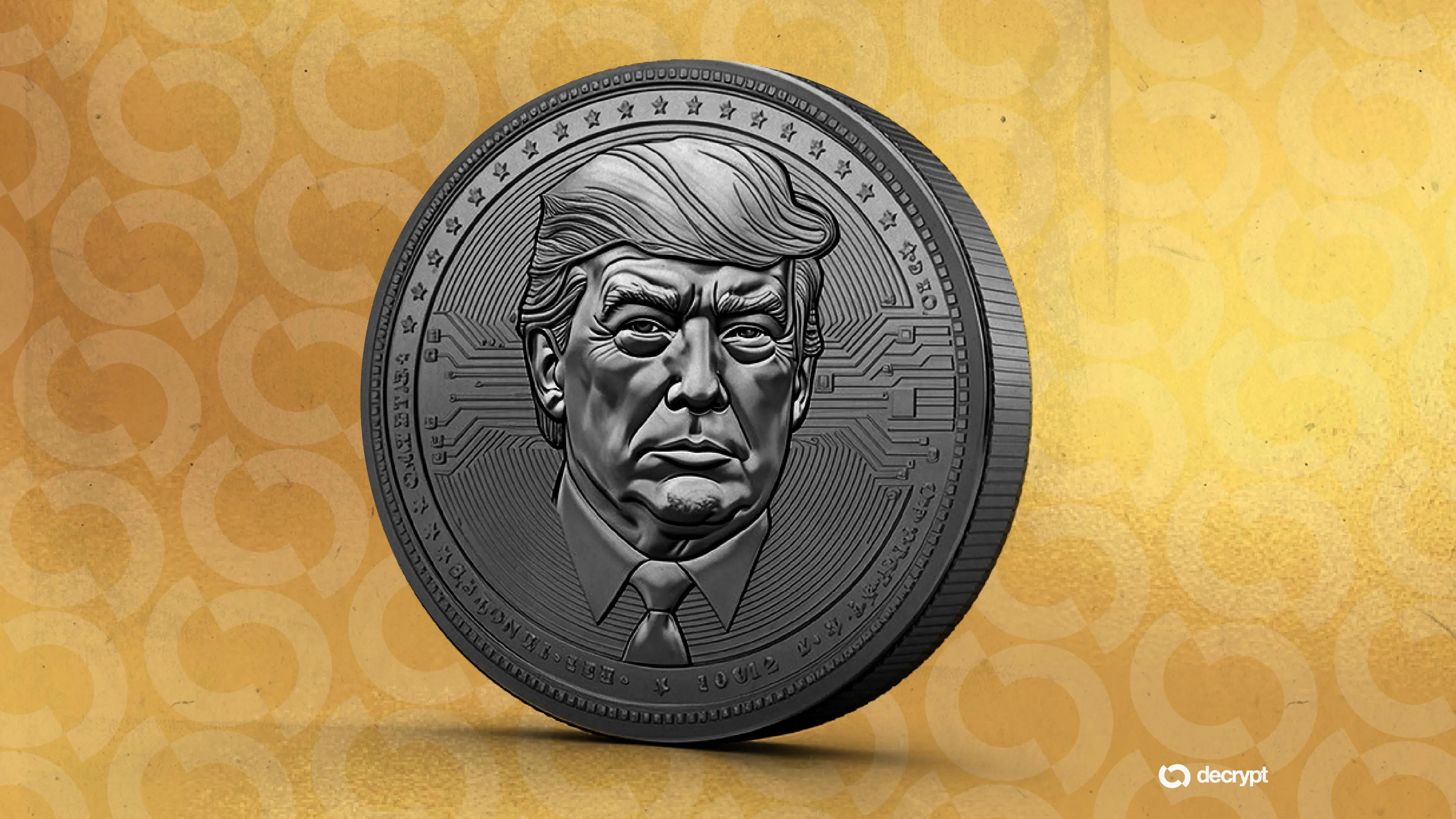
The Office of the Comptroller of the Currency on Thursday granted preliminary conditional approval for a national trust bank tied to World Liberty Financial, the crypto venture backed by President Donald Trump and his family, clearing a major hurdle for the firm's dollar-pegged stablecoin.
The proposed institution, World Liberty Trust Company, National Association, would be based in Bay Harbor Islands, Florida. According to the OCC's decision letter, it plans to issue and redeem USD1, World Liberty's stablecoin, taking over that role from BitGo, the current exclusive issuer and custodian.
The bank would also provide digital-asset custody as a fiduciary and let custody clients convert approved stablecoins into USD1. As a trust bank, it won't take deposits, carry FDIC insurance or, for now, seek a Federal Reserve master account, and it committed to staying outside the definition of a "bank" under the Bank Holding Company Act.
Zachary Witkoff, a World Liberty co-founder, is listed as organizer, director, and president. The approval carries conditions, including a $20 million minimum capital requirement and a mandate to comply with the GENIUS Act, the stablecoin law enacted last year that has spurred a rush of crypto firms toward similar charters.
As Decrypt has reported, the OCC has already cleared national trust charters for a wave of digital-asset companies, among them Circle, Ripple, Paxos, Fidelity and BitGo. World Liberty applied for its charter earlier this year.
The Trump connection drew objections during the review. The OCC said it received comments flagging potential conflicts of interest involving the president, his family, the Witkoffs and Emirati investors in World Liberty, as well as questions about the Emoluments Clause.
The regulator largely dismissed those concerns as outside the scope of its review, noting World Liberty Financial itself is not a party to the application. Passivity commitments filed with the letter were signed by Eric Trump for one investing entity.
Sen. Elizabeth Warren has separately called the OCC's crypto charter approvals illegal, arguing the firms function as banks while sidestepping the safeguards that status requires. The bank has 18 months to open.





 USD1
USD1