Updated in April 2026
What Are MetaMask, Trust Wallet, Phantom and Exodus?
MetaMask, Trust Wallet, Phantom, and Exodus are all non-custodial software wallets. This means the user controls their own private keys and seed phrase. The wallet provider never has access to your funds. These wallets serve as essential tools for interacting with the decentralized web and managing crypto assets.
Each wallet has a different focus and target audience. MetaMask dominates the Ethereum Virtual Machine ecosystem and excels at Web3 interaction. Exodus prioritizes user experience and portfolio visualization for beginners. Trust Wallet focuses on multi-chain support with a mobile-first approach. Phantom started as a Solana-native wallet and has expanded into multi-chain trading and payment solutions.
Understanding the differences between these wallets helps users choose the right tool for their needs. Some users prioritize security features. Others need specific blockchain support. And some want the best experience for NFTs or DeFi activities. This comparison covers all these factors to help you make an informed decision.
MetaMask vs Trust Wallet vs Phantom vs Exodus: Feature and Fees Comparison
Before diving into details, here's a high-level overview of how these four wallets compare across key dimensions.
| Feature | MetaMask | Trust Wallet | Phantom | Exodus |
| Primary Focus | EVM ecosystem, dApp connectivity | Multi-chain, mobile-first | Solana ecosystem, trading | User experience, beginners |
| Best For | Experienced DeFi users | Simple multi-chain access | NFT management, trading | General crypto management |
| Swap Fee | 0.875% | No platform fee | 0.85% on select swaps | From 0.5% |
| Supported Crypto | ETH, SOL, ETH & SOL-based tokens, BTC... | 10+ million tokens across 100+ blockchains | SOL, ETH, Polygon, Bitcoin, Base, Sui... | 260+ cryptocurrencies |
| Form Factor | Browser extension, mobile | Browser extension, mobile | Browser, mobile, Terminal | Desktop app, mobile |
| Hardware Wallet | Trezor, Ledger, Lattice, Keystone, NGRAVE ZERO and AirGap Vault | Primarily supports Ledger and Trezor | Only Ledger | Trezor for desktop and Ledger for mobile |
MetaMask is often a required tool for accessing most Ethereum dApps. It has the deepest integration with the Web3 ecosystem. Trust Wallet offers the smoothest experience for users who need multiple blockchains without manual configuration. Phantom provides the best experience for Solana users and has recently added powerful trading features. Exodus appeals to beginners who want an intuitive interface for managing a diverse portfolio.
Trust Wallet keeps things simple on fees. It does not charge any platform fee on top of what the DEX and blockchain already require. It also rolled out gas sponsorship in late 2025, so if your native token balance runs low, Trust Wallet covers the gas for up to four swaps a day. On Ethereum there is a $50 minimum per sponsored swap, while BNB Chain has no minimum at all.
Exodus went in a similar direction and cut its swap fee down to 0.5% in early 2025. The nice part is that the rate you see in the preview is the rate you get, no surprises at confirmation.
Phantom takes a slightly different approach. It charges 0.85% on select in-app swaps, but if you are on Solana mobile and your swap qualifies for gasless routing, it switches to a flat 1.5% fee taken directly from the token you are swapping. That means you do not need to hold any SOL in your wallet just to complete the trade.
Supported Blockchains and Assets
The blockchains each wallet supports determine which tokens and dApps you can access. This is often the most important factor when choosing a wallet.
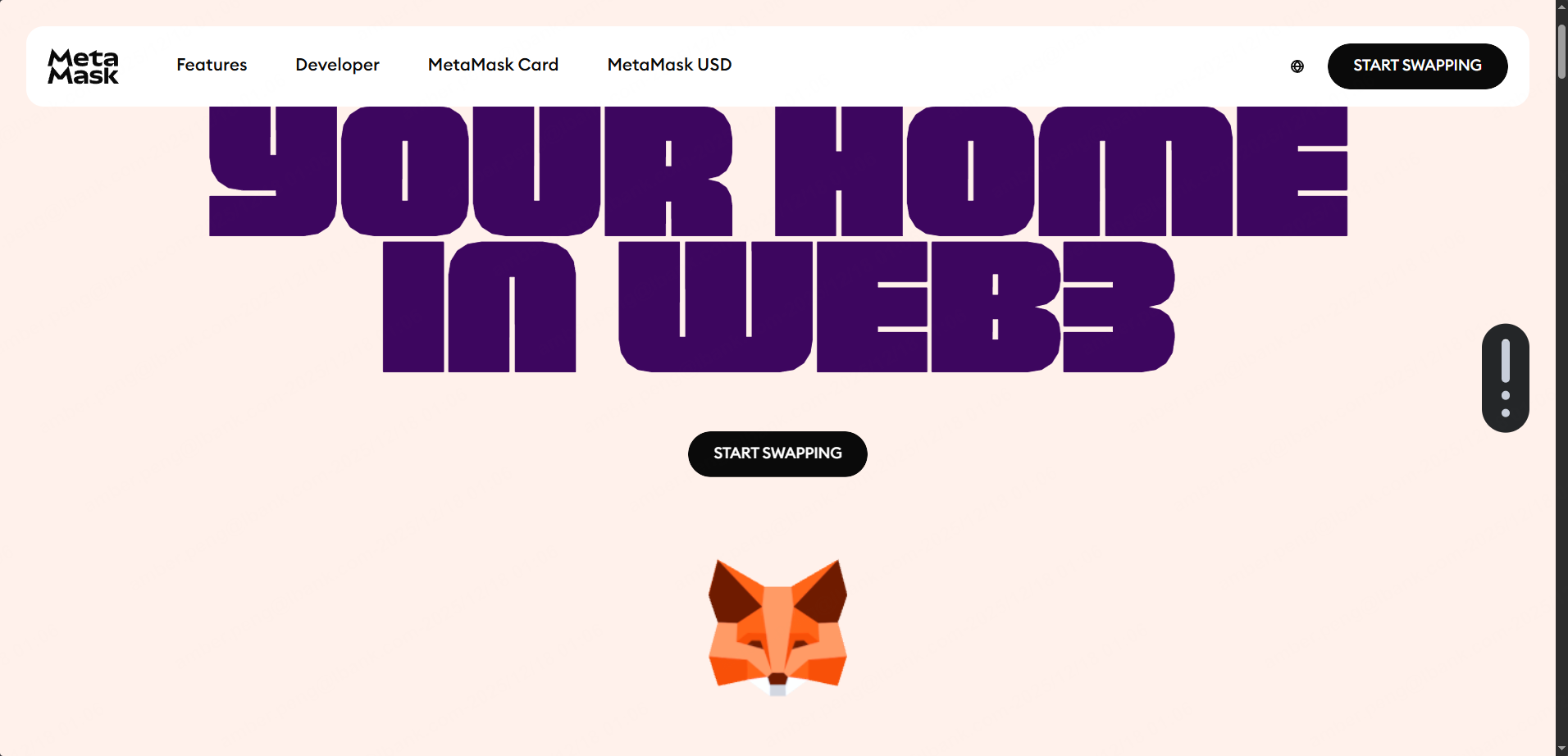
Your home in Web3, source: MetaMask
MetaMask
Primarily supports Ethereum and all EVM-compatible chains like Polygon, Binance Smart Chain, and Avalanche. The wallet has recently expanded to include Solana and Bitcoin support. However, adding non-Ethereum networks often requires manual configuration. Users must input network details like RPC URLs and chain IDs to access new chains.
Trust Wallet
Supports multiple blockchains out of the box. This includes Ethereum, Binance Smart Chain, Solana, and various other Layer-1 networks. The wallet simplifies multi-chain interactions by providing native support without manual setup. Users can switch between networks easily within the app.
Exodus
Offers support for over 260 cryptocurrencies including Bitcoin and Ethereum. The wallet provides a curated experience focused on general crypto management. It handles the complexity of multiple chains behind a clean interface that beginners can navigate easily.
Phantom
Originated as a Solana-native wallet and has expanded to support Ethereum and Polygon. The wallet manages assets across all supported networks from a single interface. This unified approach makes it easy to view and manage a multi-chain portfolio without switching between different wallet modes.
MetaMask vs Trust Wallet vs Phantom vs Exodus: Security Compared
All four wallets are non-custodial, which means users control their own keys. But each wallet implements additional security features differently.
| Wallet | Key Security Features | Potential Risks |
| MetaMask | Browser-based encryption | Phishing, browser malware exposure |
| Trust Wallet | Open-source, user-controlled keys | Phishing attacks from user error |
| Phantom | End-to-end encryption, 2FA, privacy proxy, malicious transaction warnings | Conflicts with other wallet extensions |
| Exodus | Local encryption, optional password protection | Lacks traditional 2FA |
MetaMask's browser extension format exposes it to slightly higher risks from phishing and malware compared to standalone desktop applications. Users should be careful about which sites they connect to and always verify URLs before signing transactions.
Trust Wallet is open-source, which allows the community to audit its code. The wallet gives users full control over their keys. However, it remains susceptible to phishing attacks that result from user error rather than technical vulnerabilities.
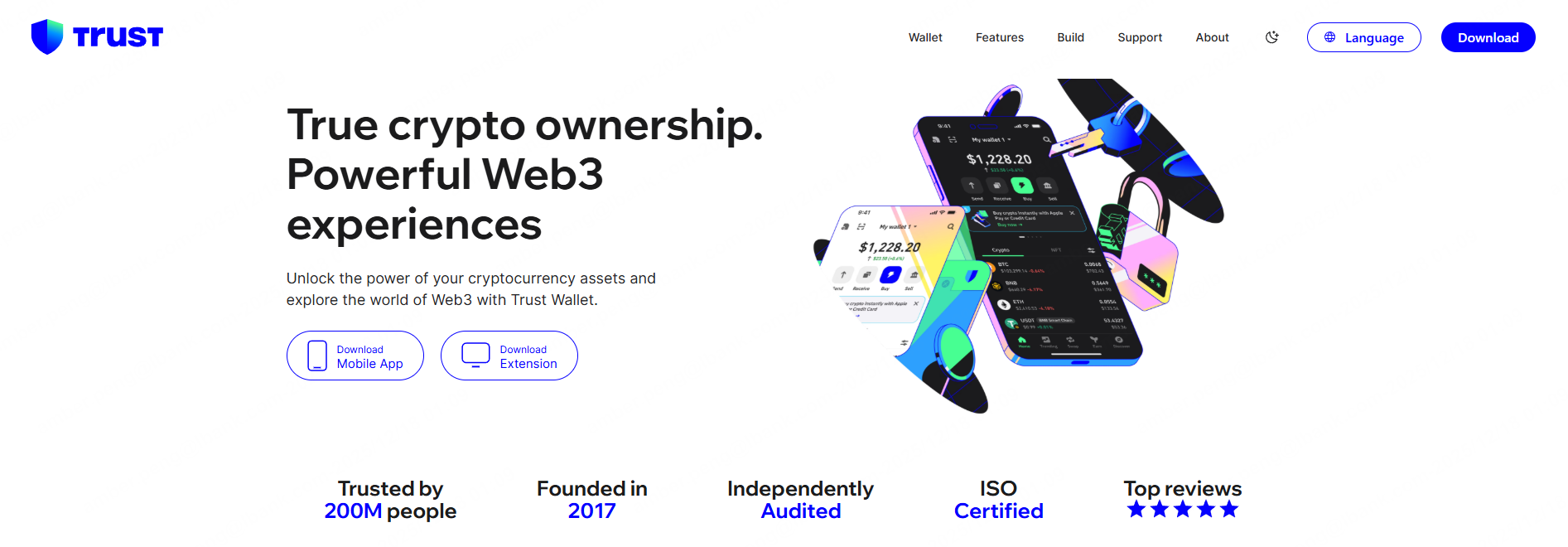
Trust Wallet interface, source: Trust Wallet
Phantom employs the most comprehensive security approach among these options. It uses end-to-end encryption, two-factor authentication, and a privacy proxy. The wallet also provides automated warnings when it detects potentially malicious transactions. This proactive security helps protect users from scams.
Exodus offers strong local encryption and optional password protection. The wallet integrates seamlessly with Trezor and Ledger hardware wallets for cold storage. However, it lacks traditional two-factor authentication, which some security-conscious users may find concerning.
DApp Integration and Web3 Access
MetaMask remains the go-to choice for interacting with Web3 applications on desktop. Its browser extension connects directly to decentralized applications. Many Ethereum dApps specifically require MetaMask or treat it as the primary connection method. This deep integration makes MetaMask essential for serious DeFi users.
Trust Wallet provides solid dApp connectivity with a focus on mobile convenience. The wallet includes a built-in dApp browser that lets users access decentralized applications directly. This approach works well for users who prefer managing their crypto activities from their phone.
Phantom has expanded beyond simple wallet functionality into a comprehensive platform. The wallet integrates with various dApps across Solana, Ethereum, and Polygon. Recent partnerships include Kalshi for prediction market integration. Phantom also added support for the Monad network to expand its ecosystem reach.
Exodus takes a different approach by focusing on portfolio management rather than dApp connectivity. The wallet excels at providing a clear overview of your holdings across multiple chains. Users who primarily buy, hold, and trade crypto without heavy dApp usage will find Exodus sufficient for their needs.
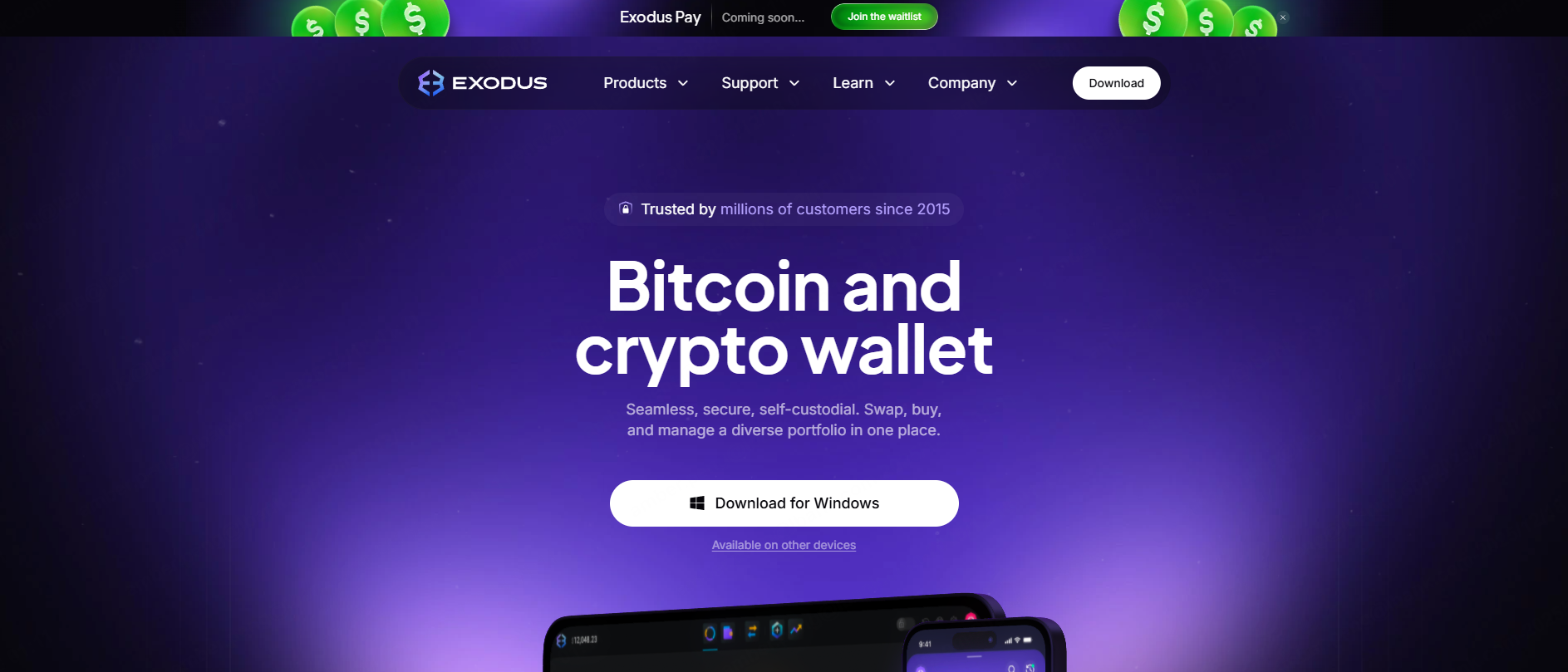
Exodus wallet interface, source: Exodus wallet
Token Swaps and Staking Features
Both MetaMask and Trust Wallet offer built-in token swap functionality. They charge network fees plus small swap fees for these services. Neither wallet has a significant cost advantage over the other for basic swaps.
Staking capabilities vary significantly across wallets:
- Trust Wallet provides built-in staking support for multiple cryptocurrencies including BNB and XTZ. Users can earn passive income directly within the app without visiting external platforms.
- MetaMask offers staking features primarily for Ethereum. This includes pooled staking, liquid staking, and validator staking options.
- Phantom enables in-wallet token swaps and staking rewards for supported assets. The wallet focuses particularly on Solana staking.
- Exodus supports staking for select assets with a straightforward interface designed for beginners.
For NFT management, Trust Wallet provides a smoother experience with better organization and display options. MetaMask is mainly optimized for Ethereum-based NFTs. Phantom offers robust NFT management including a unique "Burn NFT" feature that removes spam NFTs from your wallet. This feature helps users clean up unwanted tokens that clutter their collections.
MetaMask Wallet Developments in 2025
MetaMask has focused on multi-chain expansion and trading features throughout 2025. The wallet officially rolled out native support for Bitcoin. This addition lets users manage BTC alongside their Ethereum assets without using wrapped tokens.
The team launched Multichain Accounts to unify asset management across EVM chains, Solana, and Bitcoin. This feature provides a single interface for viewing and managing holdings across different blockchain ecosystems. Users no longer need separate wallet modes for each network.
Key feature launches include:
- Transaction Shield: A premium subscription service that protects against misclassified malicious transactions. The service offers coverage up to $10,000 per month for users who fall victim to scams.
- MetaMask Perps: Perpetual futures trading powered by Hyperliquid. This feature is available on the mobile app.
- Prediction Markets: Integration with Polymarket allows users to trade on real-world events directly within MetaMask.
MetaMask updated its swap and bridge features to increase processing speed. The wallet now aggregates data from 18 liquidity providers for better rates. Cross-chain capabilities have expanded to support more trading pairs.
The Snaps feature lets users extend wallet functionality with third-party applications. One notable integration is with COTI Network for native support of "private tokens." This modular approach allows MetaMask to add new features without bloating the core application.
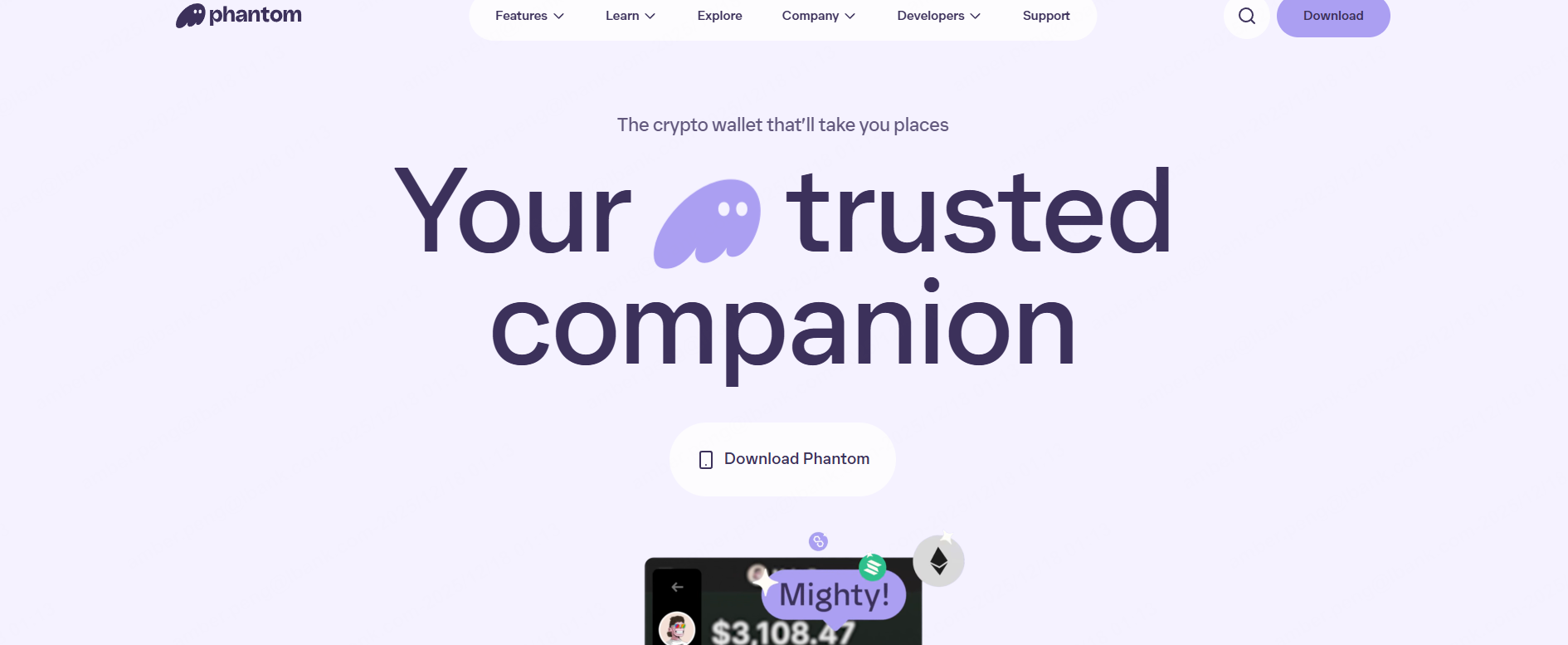
Phantom wallet interface, source: Phantom
Phantom Wallet Developments and Funding in 2025
Phantom has undergone significant expansion in 2025. The wallet secured $150 million in a Series C funding round in January 2025. This funding increased Phantom's valuation by 150% to $3 billion. The investment signals strong confidence in the wallet's growth trajectory.
The company acquired Solsniper, a trading and analytics platform. This acquisition shows Phantom's intent to become more than just a wallet. The team wants to offer integrated trading features that compete with dedicated trading platforms.
Phantom launched two major new products in 2025:
- Phantom Cash: A stablecoin-based payments platform using a USD-pegged stablecoin called CASH. Features include virtual accounts, instant bank funding, peer-to-peer payments, and debit cards.
- Phantom Terminal: A browser-based trading platform with professional-grade features. It offers real-time charts, advanced order types, and support for both spot and perpetual markets.
The wallet also introduced the Phantom Connect SDK to simplify user onboarding. This toolkit enables embedded wallets with Google or Apple authentication. Developers can use it to make their dApps more accessible to mainstream users.
Phantom briefly became the second-most popular app in the Apple App Store's utilities section on November 20, 2024. This ranking demonstrated the wallet's growing mainstream appeal beyond the core crypto community.
MetaMask vs. Phantom Wallet: Funding and Revenue
Phantom's $150 million Series C funding in January 2025 valued the company at $3 billion. This 150% valuation increase reflects investor confidence in the wallet's growth and product roadmap. The funding supports development of new features like Phantom Cash and Phantom Terminal.
MetaMask is developed by ConsenSys, which has raised over $700 million in total funding. This substantial backing provides resources for continued development, security improvements, and strategic partnerships. LBank has lauched MetaMask token MASK in the pre-market trading zone on December 16, 2025.
As of December 1, 2025, MetaMask generates slightly higher revenue than Phantom. MetaMask earns $8.75 per $1,000 in trading volume. Phantom earns $8.50 per $1,000 in trading volume. This small difference shows that both wallets have similar monetization efficiency.
MetaMask vs Trust Wallet vs Phantom vs Exodus: Which Should You Choose?
The best wallet depends on your specific needs and experience level. Here's a breakdown to help you decide.
Choose MetaMask if:
- You primarily use Ethereum and EVM-compatible chains
- You need maximum dApp compatibility
- You're an experienced user comfortable with manual network configuration
- You want the potential benefit of a future token airdrop
Choose Trust Wallet if:
- You want simple multi-chain support without technical setup
- You prefer mobile-first crypto management
- You need built-in staking for multiple cryptocurrencies
- You're a beginner who wants hassle-free operation
Choose Phantom if:
- You're active in the Solana ecosystem
- You want advanced trading features and payment solutions
- NFT management is important to you
- You value comprehensive security features like 2FA and malicious transaction warnings
Choose Exodus if:
- You're new to crypto and want the most intuitive interface
- You hold a diverse portfolio across many cryptocurrencies
- Portfolio visualization matters more than dApp access
- You want Trezor integration without complexity
One important note for users who run multiple wallet extensions: Phantom sometimes conflicts with MetaMask when connecting to Ethereum applications. You may need workarounds like disabling Phantom's Ethereum support when using certain dApps. Keep this in mind if you plan to use both wallets simultaneously.
All four wallets are legitimate tools with active development teams. The crypto wallet market continues to evolve rapidly, and each wallet is adding new features to stay competitive. Your choice today doesn't have to be permanent. Many users maintain multiple wallets for different purposes and switch between them based on specific needs.