SAFU (SAFU)

How to Buy SAFU (SAFU) on LBank

Learn how to buy SAFU (SAFU) on LBank, including payment methods such as credit cards, debit cards, Apple Pay, and bank transfers, as well as the purchase process, preparations, and FAQs.

Step 1
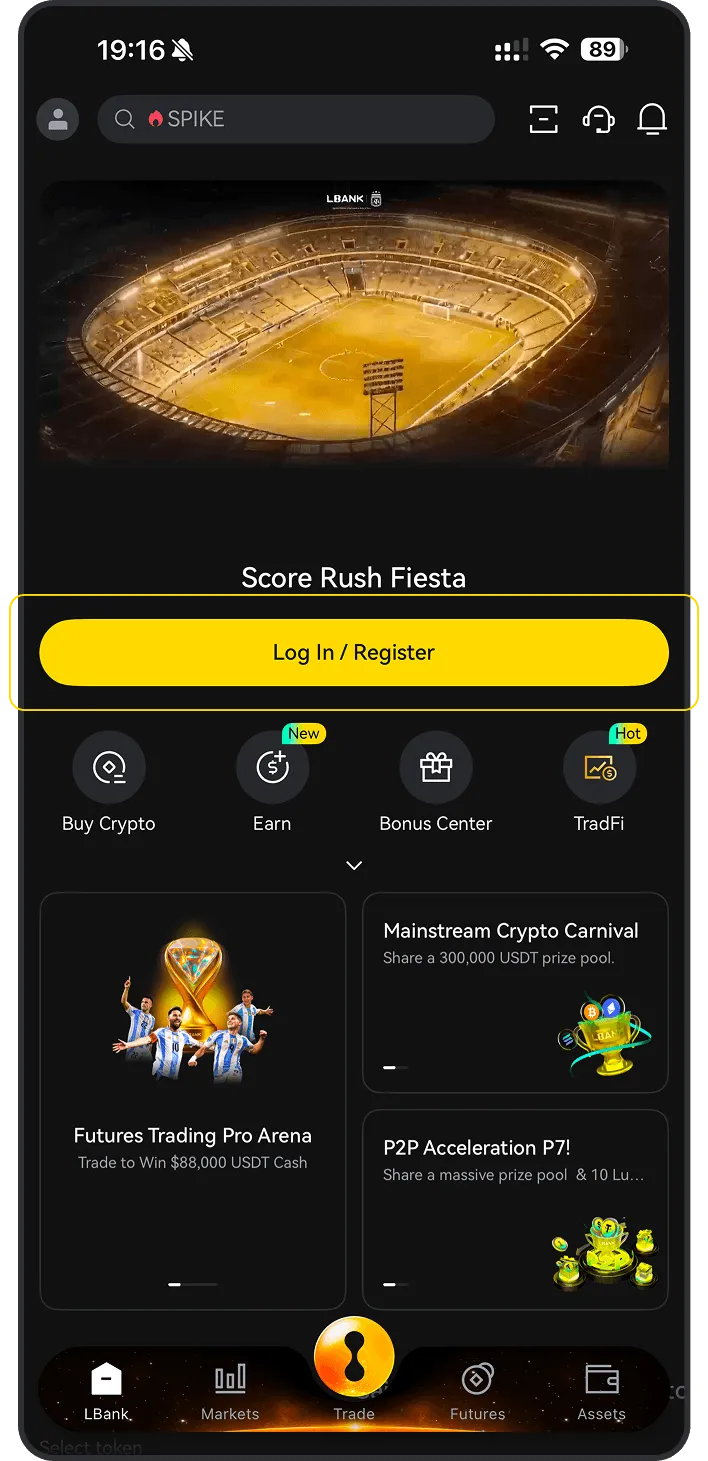
Download the LBank App
Please download the LBank App and register to get started
Step 2
Fund your account
Deposit using your preferred payment method.
Step 3
Choose your cryptocurrency
Select the crypto you want to buy from over 3,000,000 cryptocurrencies available on LBank Exchange or Wallet.

Purchase Decision Overview

Credit / Debit Card

Credit / Debit Card

Fee
Variable Fees
Processing Time
Usually within 1 minute, up to 48 hours
Minimum Purchase Amount
Starting from approx. 10–15 USD
Supported Regions
Subject to region, fiat currency, issuing bank, and payment channel support
Bank Transfer / Local Transfer

Bank Transfer / Local Transfer

Fee
Variable Fees
Processing Time
Depends on the payment method; some local channels may be faster
Minimum Purchase Amount
Starting from approx. 1–10 USD
Supported Regions
Subject to local payment channel support

Three Simple Steps to Buy SAFU on LBank

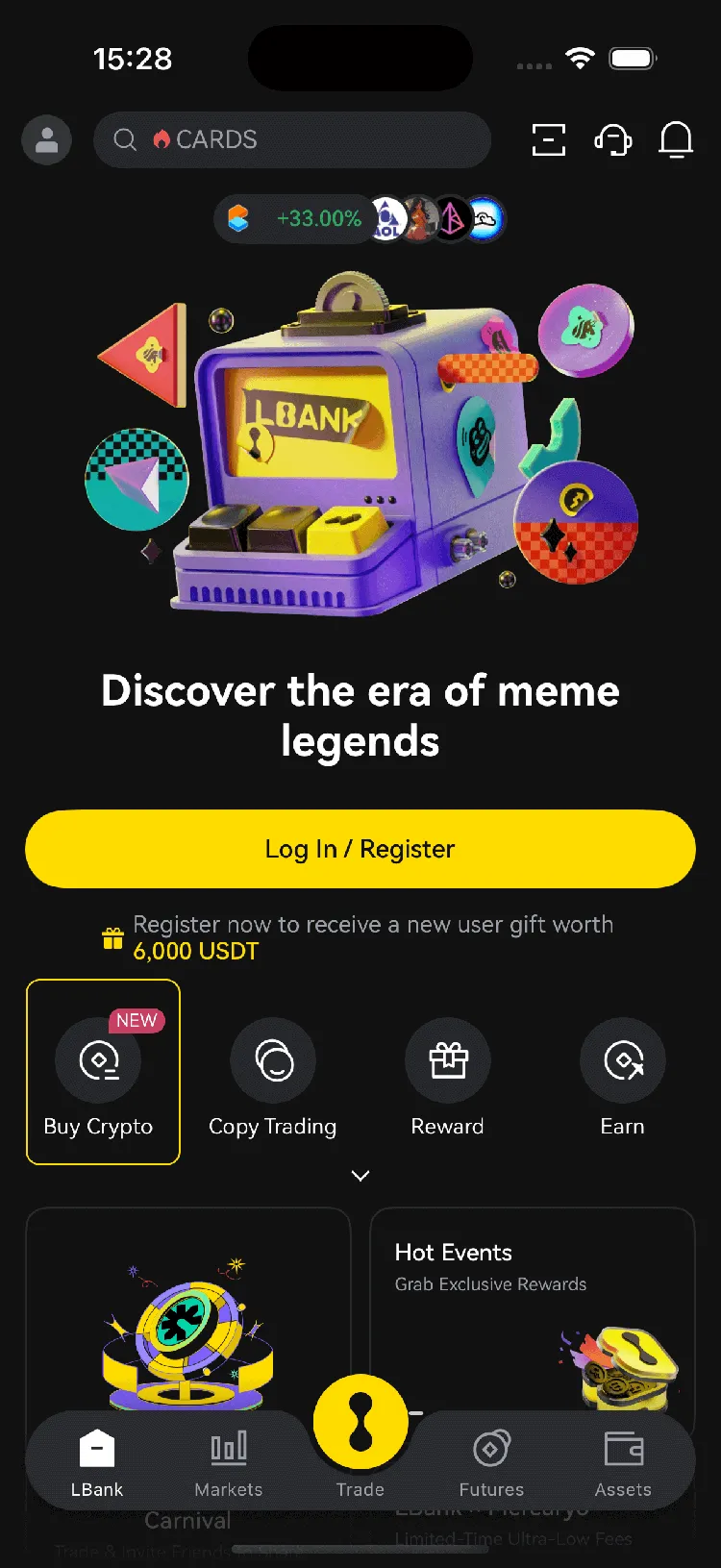
Register an LBank account

How to Buy SAFU on LBank: Payment Methods Overview

Explore the available payment methods for buying SAFU on LBank, including credit card, debit card, bank transfer, Apple Pay, Google Pay, PayPal, and P2P, to quickly choose the most suitable way to buy SAFU.

Credit / Debit Card
Credit / Debit Card
Processing Time: Usually within 1 minute; up to 48 hours
Use a Visa/Mastercard that supports international online transactions and ensure 3D Secure is enabled; if it fails, try a different card or try again later
Common Reasons for Failure: The issuing bank declined the cryptocurrency transaction; insufficient balance; 3D Secure verification failed; risk control interception; or region/card network not supported
Bank Transfer / Local Transfer
Processing Time: Instant or 1–3 Business Days
Verify the receiving account, reference code, and transfer network, and use a bank account consistent with your identity verification
Common Reasons for Failure: Incorrect receiving information or reference code; name mismatch; bank processing delay; or unsupported transfer network

What Do You Need to Prepare Before Buying SAFU (SAFU) on LBank?

Check the preparations required before buying SAFU (SAFU) on LBank, including account registration, identity verification (KYC), payment methods, regional availability, and pre-purchase precautions to help you smoothly complete the BTC purchase process.

Suitable for
Users who want to quickly buy SAFU with fiat
Before You Buy: Checklist
Register and log in to your account
Complete required KYC
Prepare payment method
Confirm regional availability,Check limits / fees / processing time
User Path
Buy Crypto

How to Buy SAFU on LBank – Step-by-Step Guide

Before you begin, decide how you’d like to pay:

Pay with fiat

If you're new to crypto, using fiat currency (such as USD, EUR, etc.) is the easiest way to buy SAFU. LBank supports various payment methods, including debit cards, credit cards, bank transfers, and other local payment options where available. You may need to fund your LBank account before making a purchase.

Pay with other cryptocurrencies

If you already hold other cryptocurrencies, you can trade them for SAFU on LBank. Please make sure that LBank supports the trading pair you need (e.g., Bitcoin (BTC)). LBank offers a wide range of trading pairs, allowing you to conveniently convert your existing crypto into SAFU.

LBank supports multiple payment methods

You can use the following payment methods to purchase SAFU on LBank:

Debit card
Credit / Debit Card
PayPal
Apple Pay
Google Pay

Mobile app guide

1
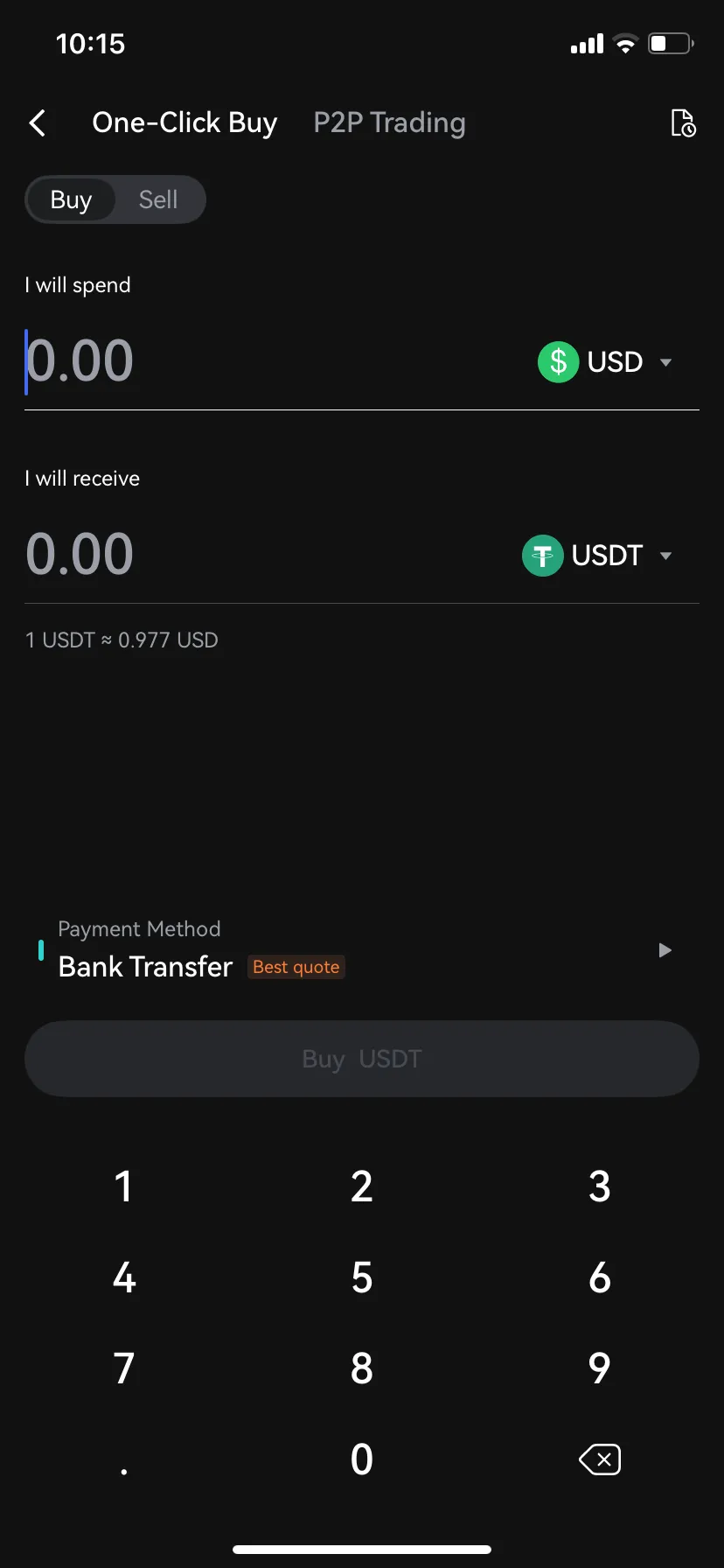
Open the LBank mobile app and tap “Buy Crypto”
2
Select “Buy”
3
Choose , enter the fiat currency you want to use, input the amount, then tap “Buy” or “Confirm”

Desktop guide

1
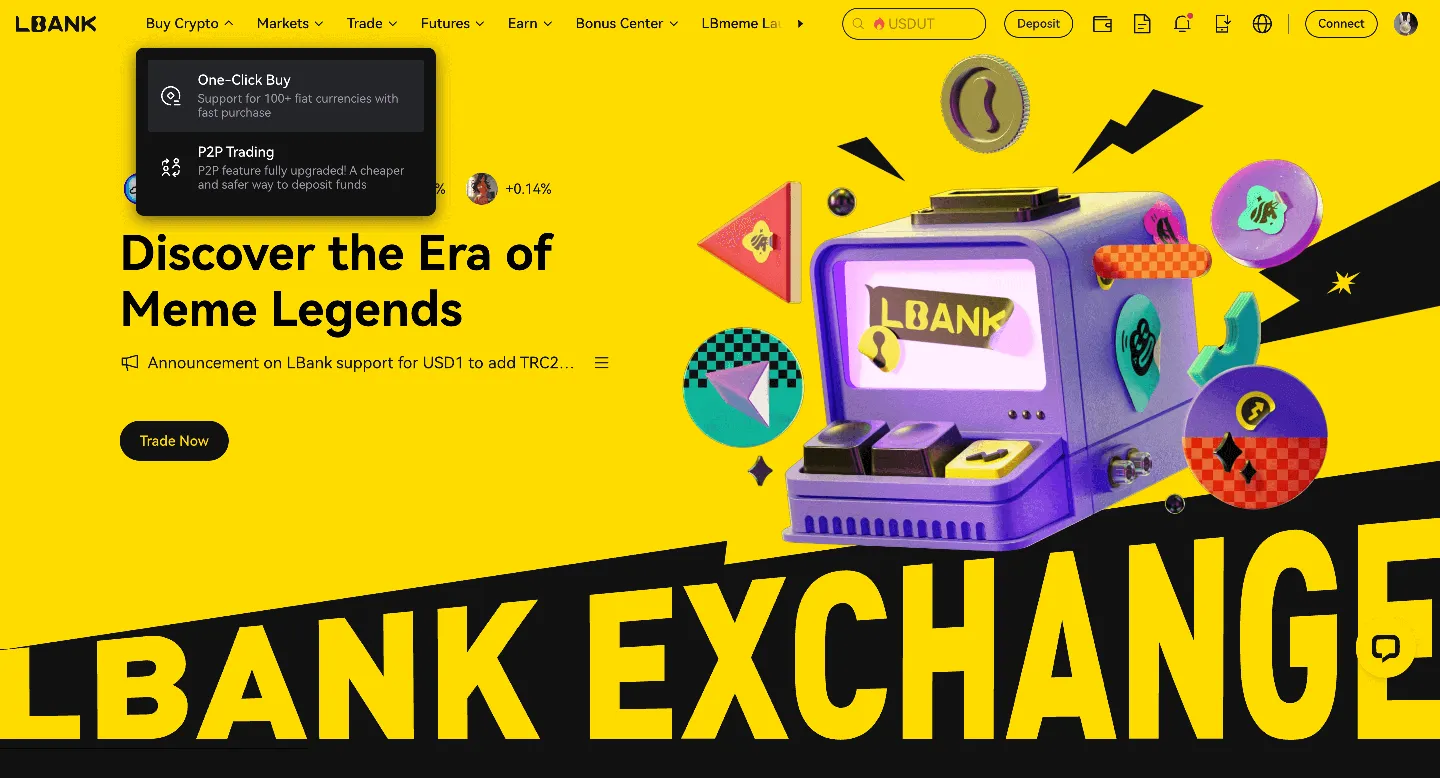
Log in to LBank on your desktop browser and click the “One-Click Buy” option.
2
Under the “One-Click Buy” tab:

(a). Choose the fiat currency you want to use

(b). Select the SAFU you want to purchase

(c). Enter an amount or use quick-select options (e.g., 100, 200, 500, max)
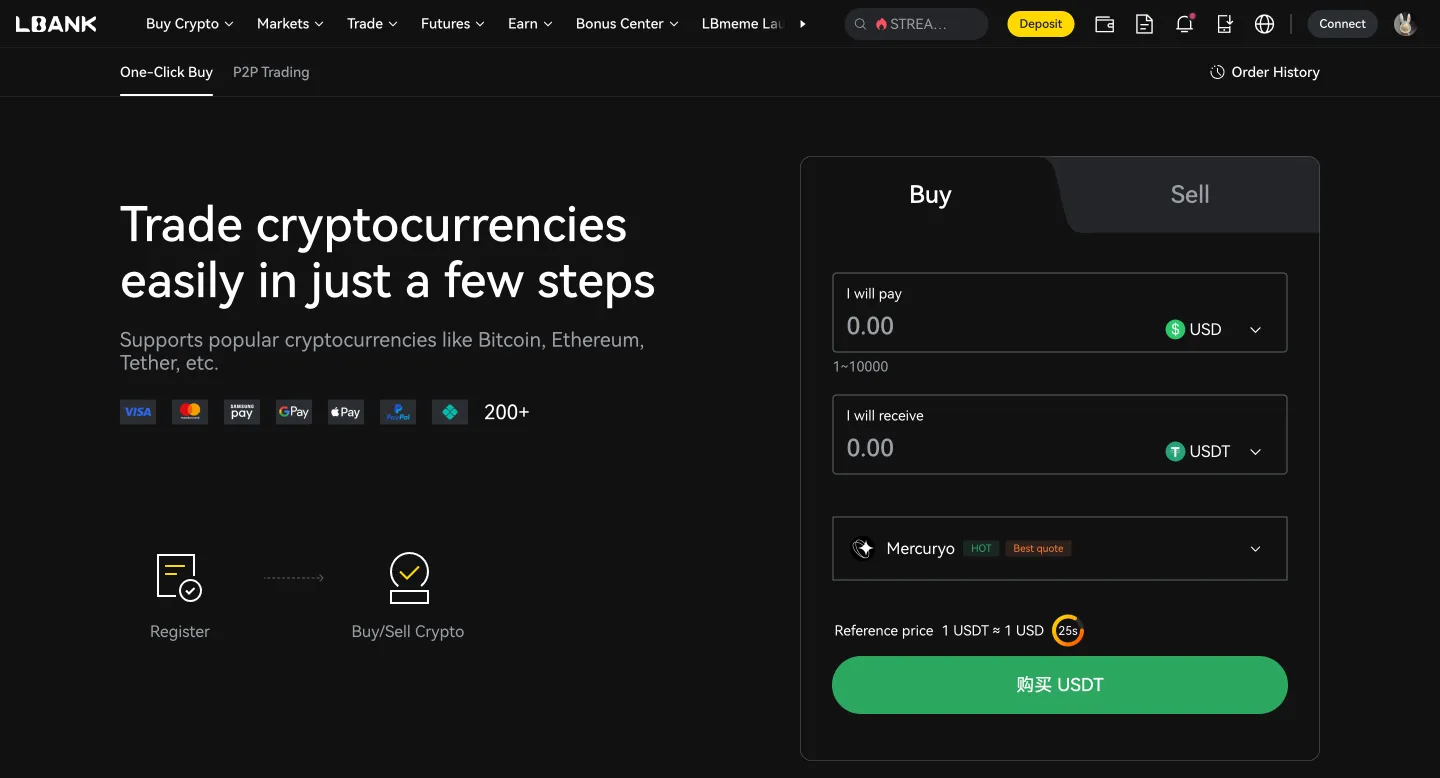
(d). Choose your payment method
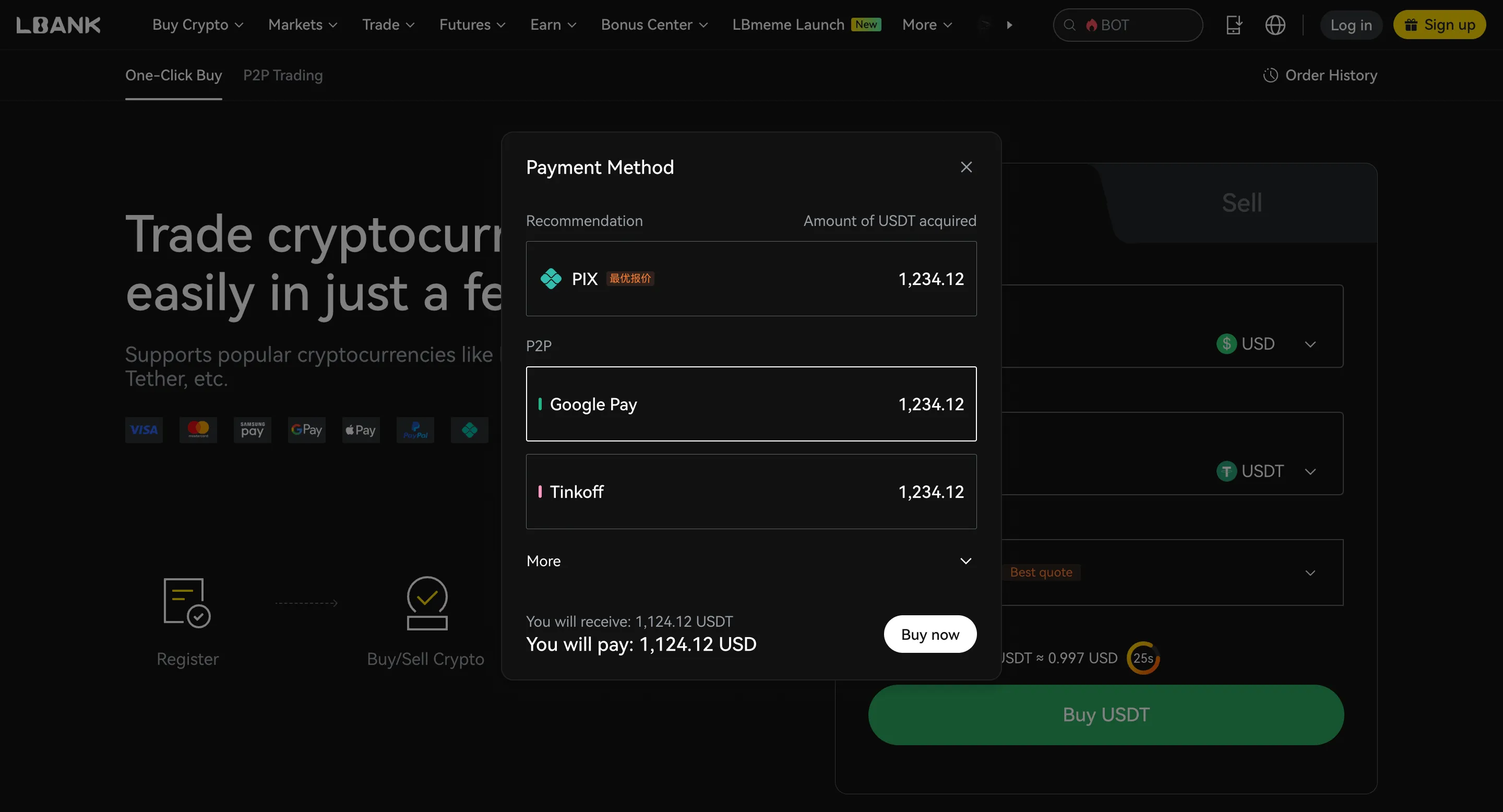
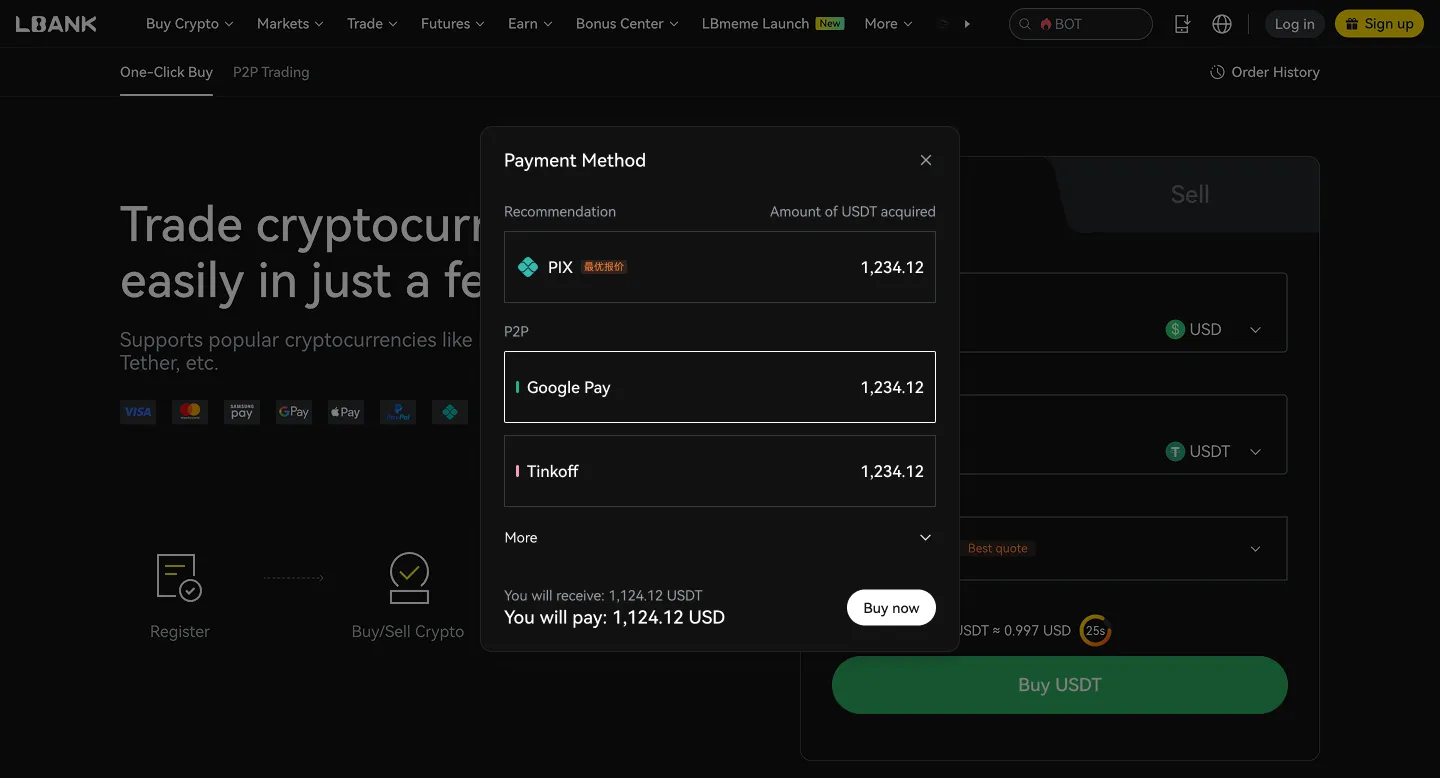
(e). Click “Confirm” or “Buy now”
P2P Trading

Merchant
Price
Amount | Limit
Payment Method
Action
LO
Loyalty_Trader
830 min | 100%
0.936 USD
3800.00 USDT
500.000 - 3500.000USD
Bank Transfer
YY
YYDS_Trader
500 min | 100%
0.936 USD
4284.44 USDT
500.000 - 4000.000USD
Bank Transfer
ET
ETZ_Trader
1114 min | 100%
0.936 USD
3000.00 USDT
500.000 - 2800.000USD
Bank Transfer

What is SAFU (SAFU)?

The SAFU project is a cryptocurrency and Web3 initiative that takes its name from the acronym Secure Asset Fund for Users. This term was originally popularized in the crypto industry as a label for emergency insurance funds designed to protect investors during unforeseen events like exchange hacks or technical failures. Over time, the name evolved from an industry catchphrase into a specific token and community-driven movement within the decentralized finance ecosystem. The SAFU token is primarily built on the BNB Chain. It is often categorized as a meme-inspired project but positions itself with a focus on security, transparency, and innovation. The project aims to bridge the gap between viral internet culture and practical utility by leveraging the trust associated with its name. According to project descriptions, it seeks to redefine what it means for a digital asset to be secure in the Web3 space. In terms of technical features, some iterations of the SAFU project include decentralized protocol elements such as yield aggregation, staking, and governance. For instance, the SAFU Protocol or SafuYield framework describes a system where the token serves as a governance tool, allowing holders to participate in a decentralized autonomous organization known as a DAO. This structure enables community members to create proposals and vote on the future direction of the ecosystem. Some versions of the project also incorporate deflationary mechanisms, such as reflection rewards, where participants can theoretically benefit from the activity within the network. The project is heavily influenced by the cultural ethos of the crypto community, particularly the idea of collective security and investor protection. It often utilizes social media and community platforms to drive engagement, portraying itself as a movement rather than just a financial asset. By grounding itself in the BNB Chain ecosystem, the project utilizes that network's infrastructure for transaction processing and smart contract functionality. Overall, the SAFU project represents an attempt to commercialize and decentralize a well-known security concept from the centralized exchange world, turning a phrase meant for investor reassurance into a functional Web3 token and governance ecosystem. It emphasizes a community-first approach and the importance of maintaining a secure environment for decentralized asset management. Learn more

Is SAFU (SAFU) a good investment?

Whether SAFU (SAFU) is a good investment depends on your personal financial situation and risk tolerance. Cryptocurrency investments are speculative and can be highly volatile.


Before investing in SAFU (SAFU) or any cryptocurrency, consider the following:

Your financial goals
Are you seeking short-term gains or long-term growth?
Your risk tolerance
Your risk tolerance
How much potential loss are you comfortable with?
Diversification
Diversification
Don’t put all your eggs in one basket. Spread your investments across different types of assets.
Your goals and time horizon
Cryptocurrencies are best suited for long-term investors. Disclaimer: This is not financial advice. Please do thorough research before making any investment decisions.

Fees, limits, and processing time for buying SAFU on LBank

Compare fees, transaction limits, and estimated processing times across different payment methods. Actual fees and availability may vary by region, fiat currency, payment method, and third-party providers. Please refer to the order page for final details.


ROI calculator

If I invest, how much profit will I make?
Invest
$
Enter
SAFU
Date
2026-06-05
You will earn $-- in profit, with an ROI of --

What can you do with SAFU (SAFU)?

Investment
Buy and hold SAFU (SAFU), expecting its value to increase over time.
Investment
Trade
Actively trade SAFU (SAFU) on LBank to profit from price fluctuations.
Trade
Pay
Use SAFU (SAFU) to pay for goods and services where accepted.
Pay

Why is LBank the best platform to buy SAFU (SAFU)?

User-friendly interface
LBank offers a simple and intuitive platform for buying and selling SAFU (SAFU).
Competitive fees
Competitive fees
LBank provides competitive trading fees for SAFU (SAFU).
Secure platform
Secure platform
LBank applies robust security measures to protect your funds.
Diverse trading pairs
LBank offers a wide range of trading pairs for SAFU (SAFU).
24/7 customer support
LBank provides customer support to help you with any questions or issues.
Mobile app
Mobile app
Trade SAFU (SAFU) anytime, anywhere using the LBank mobile app.
High liquidity
High liquidity
LBank offers excellent liquidity for SAFU (SAFU) trading, ensuring you can easily buy and sell your crypto assets.
Regulatory compliance
LBank complies with all regulatory requirements in the jurisdictions where it operates to ensure a compliant and secure trading environment

After buying SAFU, what is the best way to store it?

After buying SAFU, you can choose a storage method based on your usage frequency, holding period, and security needs. If you need to trade at any time, you can store it in your LBank account. If you prioritize self-custody or long-term security, consider using a personal wallet or a hardware wallet.

Store in your LBank account

Store in your LBank account

Suitable for
Users who want to trade or convert at any time
Short-term BTC holders
Features
Ready to use immediately after purchase; easier to use
Ideal for frequent trading, conversions, or using platform features
Security Alert
Please enable 2FA
Please set an anti-phishing code
Only log in through official channels
Transfer to a personal hot wallet

Transfer to a personal hot wallet

Suitable for
Users who want to manage their own assets
Users who need daily transfers or on-chain usage
Features
More flexible; convenient for daily transfers and management
Better suited for small holdings and everyday use
Security Alert
Do not store seed phrases or private keys in the cloud
Do not save sensitive information via chat tools, email, or screenshots
Stay alert for phishing websites and fake wallet apps
Transfer to a hardware wallet

Transfer to a hardware wallet

Suitable for
Long-term BTC holders
High-value holders who prioritize security
Features
Private keys are stored offline, offering enhanced security
Ideal for long-term storage of infrequently moved assets
Security Alert
Securely back up seed phrases offline
Never disclose your recovery phrase to anyone
Assets may be irrecoverable if the seed phrase is lost

SAFU (SAFU) FAQ

The $SAFU token serves as the core utility and governance asset for the Safura decentralized protection protocol. Holders use the token for on-chain governance, allowing them to vote on protocol upgrades and parameters. Additionally, users stake tokens in protection pools to provide cover capacity for various Web3 projects. By staking, participants help secure the network and earn a portion of the fees generated from protection premiums. The token is also integral to the claim assessment process, ensuring a decentralized approach to verifying insurance-like claims. The total supply is capped, with distribution allocated across the DAO, community incentives, and the treasury.
In the Safura protocol, rewards are primarily earned by users who provide liquidity to protection pools. By staking $SAFU tokens, participants create cover capacity that safeguards other decentralized projects against potential exploits or vulnerabilities. In exchange for taking on this risk, stakers receive rewards derived from the premiums paid by the protected projects. Furthermore, holders of Safura Shields NFTs may receive additional benefits, such as early access to fairlaunches or a portion of the token supply distributed over time, further incentivizing long-term participation in the ecosystem's security and growth.
Within certain decentralized stablecoin protocols, there is a distinction between the liquid SAFU token and its vote-escrowed version, veSAFU. SAFU is the standard liquid governance token that can be traded on exchanges. To participate in governance and maximize influence, users must lock their tokens for a specific duration to receive veSAFU. veSAFU is a non-transferable token that represents the holder's actual voting power. This mechanism encourages long-term alignment with the protocol's health, as the voting power and potential rewards are tied to the commitment of locking the original tokens.
Liquidation is a core stability mechanic in over-collateralized stablecoin protocols. When a borrower's collateral value falls below a certain threshold, the system triggers a liquidation to ensure the stablecoin remains backed. Stakers participating in the protocol’s Stability Pool play a vital role here. During a liquidation, a portion of the stakers' SAFU balance may decrease to cover the debt. In exchange, they receive a proportional share of the liquidated collateral, such as the underlying asset being liquidated. This process ensures the protocol remains solvent while distributing the liquidated assets to those supporting the system's stability.
A Secure Asset Fund for Users, commonly known as SAFU, is an emergency insurance fund established by major cryptocurrency exchanges to protect users in extreme scenarios. This fund is typically composed of stablecoins and other liquid assets, maintained at a high valuation to ensure comprehensive coverage. It is designed to reimburse users for losses resulting from security breaches or vulnerabilities within the exchange’s own internal systems and infrastructure. However, it generally does not cover losses caused by individual user errors, such as misplacing private keys, falling for phishing scams, or making incorrect transfers. Transparency is maintained by publishing the fund’s wallet addresses for public verification.
Given the popularity of the term SAFU as a meme and a mark of security, investors must perform due diligence. First, verify the smart contract address against the project's official website to avoid malicious clones. Second, check the audit status; reputable projects undergo rigorous security reviews by recognized firms. Third, confirm if the liquidity pool is locked and if the contract has been renounced, as these measures prevent developers from withdrawing funds or altering the contract. Security tools like StaySAFU can also be utilized to scan for honeypot risks and other common vulnerabilities before trading on decentralized platforms.

How to buy other crypto assets