How to Track Crypto Transactions Easily and Safely
 ok****@gmail.com2026-04-02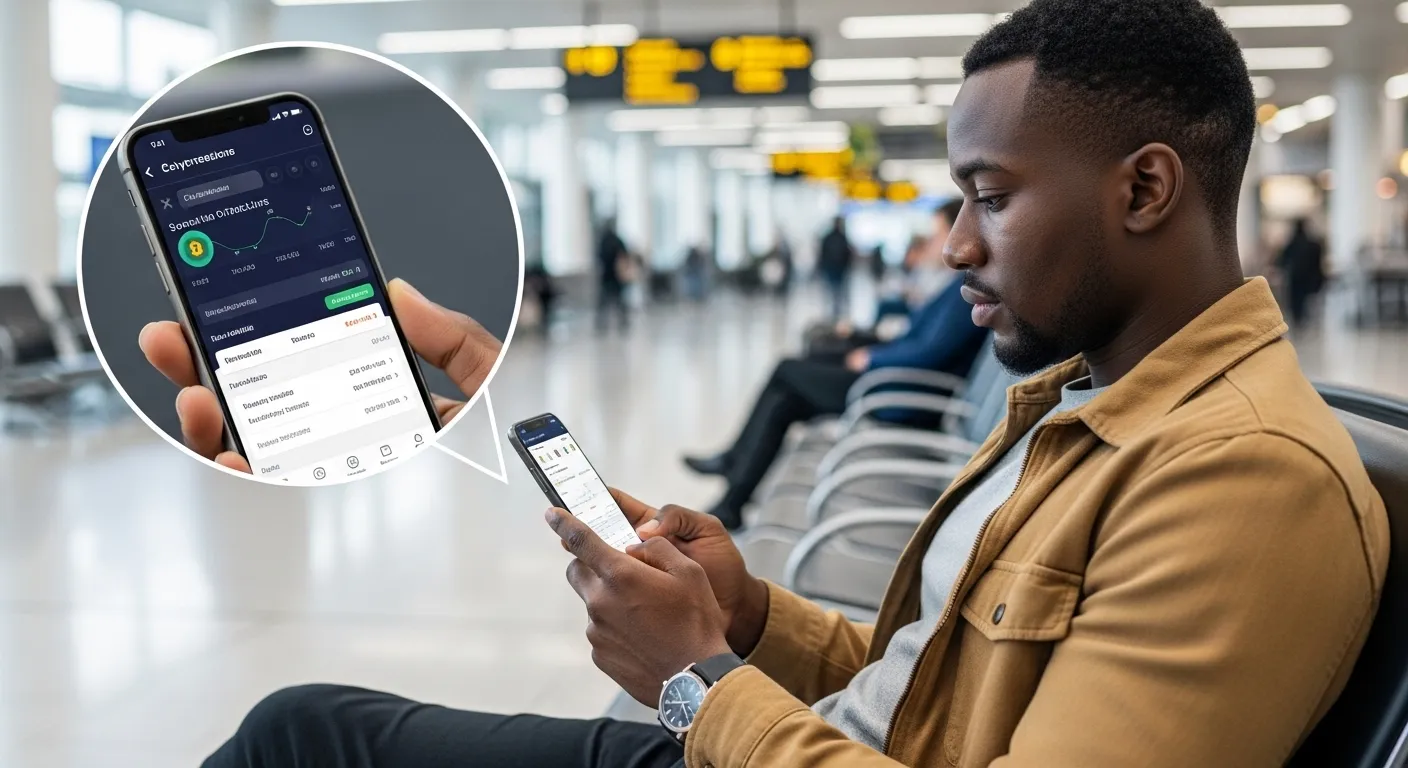
Learn how you can track crypto transactions safely and easily. Understand the tools, steps, and technical details needed to monitor transfers and confirm payments on the blockchain.
Imagine sending cryptocurrency to someone and then staring at your screen, wondering if the payment actually reached them. If you have ever experienced that moment of uncertainty, just know you are not alone. Many people also feel the same way the first time they send digital currency.
Recent research shows that cryptocurrency is growing rapidly worldwide, and millions of people now use it for payments, investments, and international transfers.
As adoption continues to rise, knowing how to track your crypto transactions should become an essential skill rather than just a useful option.
The good news is that cryptocurrency networks are transparent by design. Because every transaction you send is recorded on a blockchain, which is a public digital ledger that stores all transaction data permanently. This also means that you can always verify your transfers if you know where to look and how to read the information.
In this guide, you will learn how crypto transactions work and how you can track them step by step. You will also discover the tools professionals use to monitor blockchain activity, understand transaction statuses, and recognize the limitations of transaction tracking.
By the time you finish reading this article, you will feel more confident navigating the blockchain. Instead of wondering about what happened to your transaction, you will know exactly how to check it, verify it, and confirm that your payment reached the correct wallet.
What a Crypto Transaction Means for You
Anytime you send cryptocurrency, you are transferring digital value from your wallet to another wallet through a blockchain network. Unlike traditional banking systems, there is no central authority processing your transaction. Instead, a decentralized network of computers will validate and record it.
Also, when you initiate a transaction, your wallet creates a digital message that contains several pieces of information, such as
- The recipient’s wallet address,
- The amount of cryptocurrency you want to send, and
- A digital signature that proves you own the funds.
Your wallet generates this signature using your private key. The private key acts like a secure cryptographic password that authorizes the transaction.
Once your wallet signs the transaction, it is broadcast to the blockchain network. At this point, validators or miners will begin verifying the transaction to ensure it complies with the network rules.
Every transaction you send also receives a unique identifier called a "Transaction ID," often shortened to TxID. You can think of this ID as your digital receipt because it lets you locate and track the transaction on the blockchain at any time.
After verification, your transaction is grouped together with other transactions into a block. Once the block is added to the blockchain, your transaction becomes part of the permanent ledger.
This system ensures transparency, security, and immutability. Once your transaction is confirmed, it becomes extremely difficult to alter or remove.
Why You Should Track Your Crypto Transactions
Tracking your crypto transactions gives you visibility and control over your digital assets. Without tracking, you are essentially sending money into a decentralized system without verifying its progress. Here are some reasons why you should track your crypto transactions:

- One of the main reasons you should track your transactions is to confirm them. When you send cryptocurrency, the network may take several minutes or longer to process the transaction. By tracking it, you can see whether it is still pending or already confirmed.
- Tracking also protects you when making payments. If you send cryptocurrency to a business or individual, you can verify the transaction on the blockchain and confirm that the payment was completed successfully.
- Transparency is another important reason to track your transactions. Blockchain networks operate as public ledgers, which means you can inspect the technical details of your transfer at any time. You can see the sending wallet address, the receiving address, the transaction fee you paid, and the number of confirmations the transaction has received.
- Tracking also helps you detect suspicious activity. If you notice a transaction you did not authorize, checking the blockchain quickly allows you to investigate what happened.
- For businesses and investors who regularly deal with cryptocurrency, transaction tracking becomes even more critical. It helps maintain accurate financial records and ensures that every payment can be verified.
Tools You Can Use to Track Crypto Transactions
You need the right tools to track your transactions effectively. Fortunately, several platforms make it easy to monitor blockchain activity.
Blockchain Explorer
The most common tool you will use is a blockchain explorer. A blockchain explorer is a specialized search engine that lets you explore data stored on a blockchain network.
For example, if you are tracking a transaction on the Ethereum network, you can use Etherscan. This platform allows you to search for transactions using a wallet address, block number, or transaction ID.
But if you are working with Bitcoin transactions, Blockchain.com Explorer is one of the most widely used explorers.
When you enter your TxID into these explorers, the platform retrieves detailed information directly from the blockchain.
You will be able to see technical data such as the following:
- Transaction hash or TxID
- Sender and recipient wallet addresses
- Amount transferred
- Network transaction fees
- Block number
- Timestamp of the transaction
- Confirmation count
Your crypto wallet application can also help you track transactions. Most modern wallets include a transaction history feature that shows whether your transfers are pending or confirmed.
Advanced users sometimes use blockchain analytics platforms. These tools analyze large volumes of blockchain data and help track high-value or complex transactions across networks.
How You Can Track a Crypto Transaction Step by Step
Tracking a crypto transaction may seem technical at first, but once you understand the process, it becomes straightforward.
Step 1: Locate Your Transaction ID
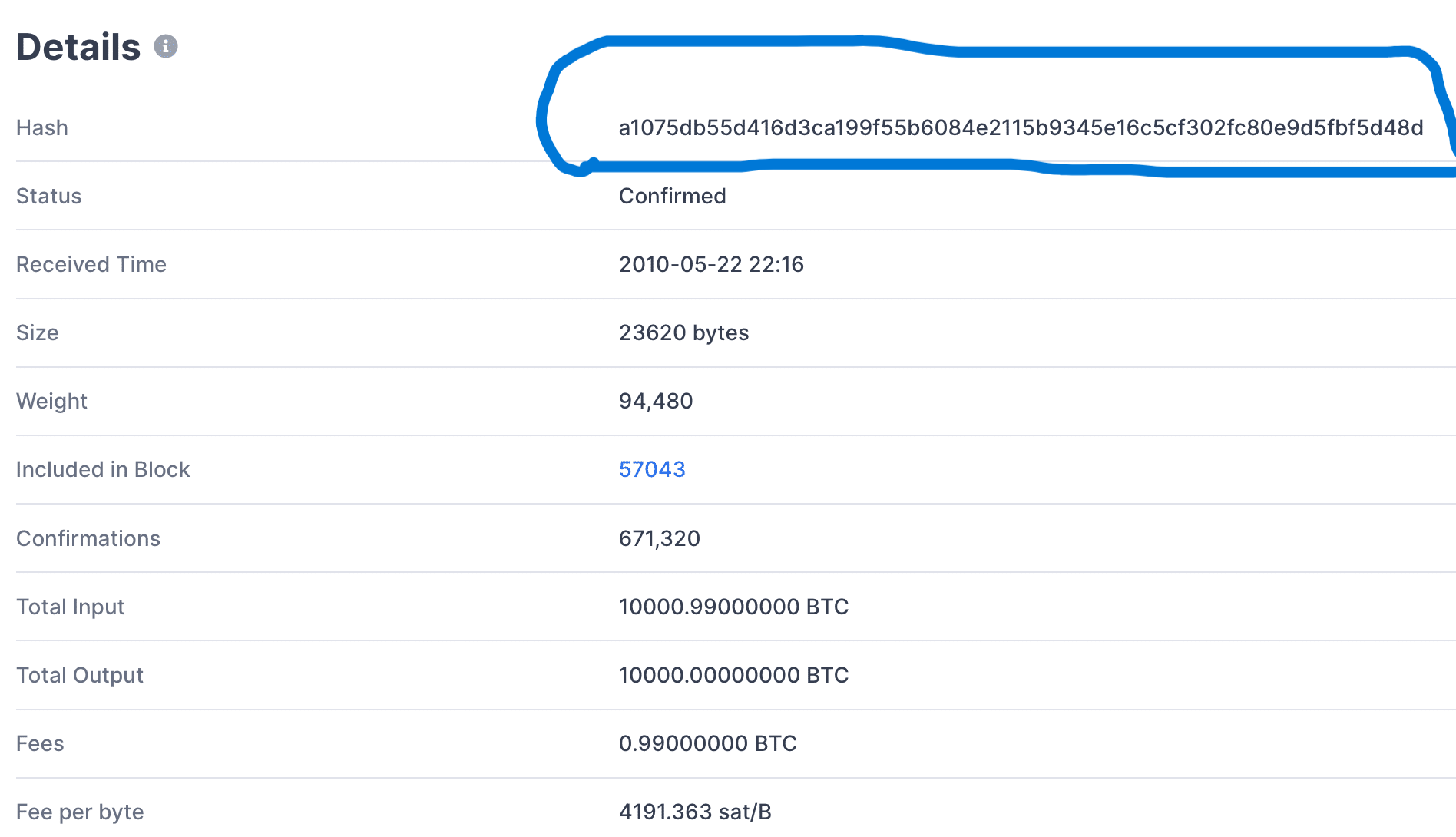
After you send cryptocurrency from your wallet or exchange account, the system automatically generates a transaction ID.
You can usually find this ID in your wallet’s transaction history. It is a long string of letters and numbers that uniquely identifies your transfer.
This ID is the key piece of information you will use to track your transaction.
Step 2: Choose the Correct Blockchain Explorer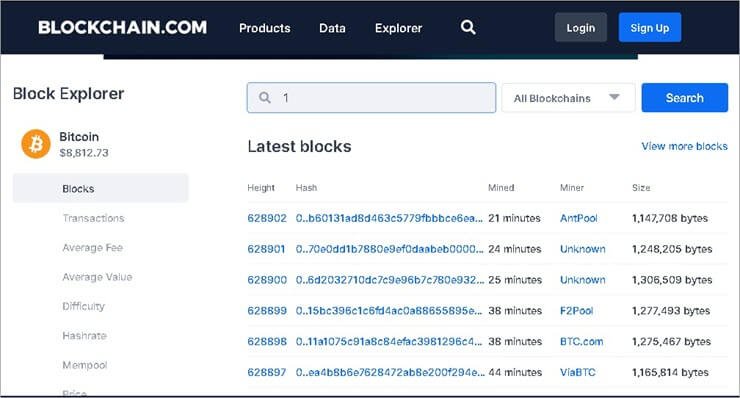
Next, open a blockchain explorer that supports the cryptocurrency network you used.
For example, if you send Ethereum, you can open Etherscan. If you send Bitcoin, you can use the Blockchain.com Explorer.
Each blockchain network has its own explorer designed to retrieve and display transaction data.
Step 3: Enter the Transaction ID
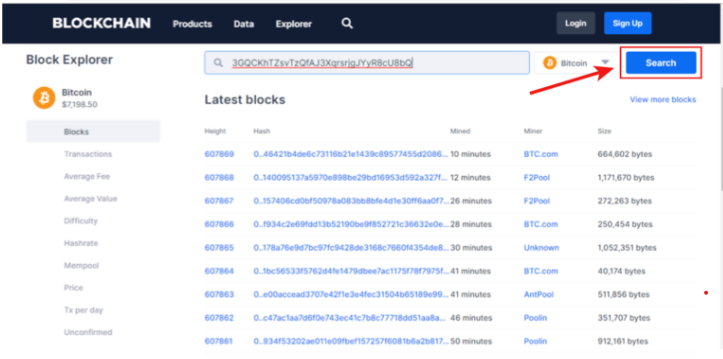
Copy your TxID and paste it into the search bar of the blockchain explorer.
Within seconds, the explorer will retrieve the complete transaction record from the blockchain database.
Step 4: Analyze the Transaction Details
Once the search results appear, you will see several technical details.
You can verify the sending wallet address and confirm the receiving address. You can also check the exact amount of cryptocurrency transferred and the network fee that was paid.
Most importantly, you will see the confirmation status of the transaction. This tells you whether the network has successfully processed your transfer.
Understanding Transaction Status
When you track your transaction, you will notice that it can appear in different states before becoming fully confirmed.
The first state is pending. This means your transaction has been broadcast to the network but has not yet been included in a block.
During this stage, miners or validators review the transaction and compete to include it in the next block.
Once the transaction is included in a block, it becomes confirmed. Each additional block added to the blockchain increases the number of confirmations.
More confirmations mean stronger security because the transaction becomes more deeply embedded in the blockchain.
Sometimes your transaction may show a "failed" or "dropped" status. This can happen if the transaction fee you set was too low, or if the network rejected the transaction for technical reasons.
Understanding these statuses will help you interpret the progress of your transaction. It will also help you determine whether you need to take further action.
Can You Track Crypto Using a Wallet Address?
Yes, you can track cryptocurrency activity using a wallet address.
W
hen you enter a wallet address into a blockchain explorer, the platform retrieves all publicly recorded transactions associated with that address.
This allows you to see the wallet’s balance, incoming transactions, outgoing transfers, and historical activity.
For example, if you search a Bitcoin or Ethereum wallet address on a blockchain explorer, you will see every transaction linked to that address.
However, there is an important detail to understand. Blockchain networks are transparent but also pseudonymous.
This means you can see the wallet address and transaction activity, but you usually cannot see the real-world identity of the wallet's owner.
This balance between transparency and privacy is a core characteristic of blockchain technology.
Limitations You Should Understand
Although blockchain tracking is powerful, it has limitations you should be aware of.
- One major limitation is anonymity. You can see transaction records and wallet addresses, but the blockchain usually does not reveal the wallet owner’s identity.
- Some cryptocurrencies go even further by prioritizing privacy. Coins such as Monero and Zcash are designed to hide transaction data and make tracking extremely difficult.
- Network congestion can also slow down transaction confirmations. When many users are sending transactions simultaneously, the network may take longer to process them.
- Another limitation is human error. If you send cryptocurrency to the wrong address, the blockchain will still record the transaction permanently.
- Unlike traditional banking systems, blockchain networks generally do not allow transactions to be reversed. Once confirmed, the funds cannot easily be recovered.
Understanding these limitations helps you manage your transactions more carefully.
Safety Tips for Tracking Your Crypto Transactions
When tracking your crypto transactions, you should follow a few best practices to stay safe.
- First, always use trusted blockchain explorers such as Etherscan and Blockchain.com Explorer.
- Second, verify wallet addresses carefully before sending cryptocurrency. Even a small mistake in the address can result in permanent loss of funds.
- Third, monitor the number of confirmations your transaction receives. Waiting for several confirmations ensures that your transfer is fully validated by the network.
- You should also protect your private keys and wallet credentials. Never share them with anyone, and avoid storing them in insecure locations.
- Finally, make it a habit to review your transaction history regularly. This helps you detect unexpected activity and maintain full control of your crypto assets.
Final Thoughts
Tracking transactions may seem confusing or intimidating when you first start using cryptocurrency. However, once you understand how the blockchain records and displays transaction data, the process becomes much clearer.
By learning how to use transaction IDs, wallet addresses, and blockchain explorers, you gain the ability to verify every transfer you make. So, instead of worrying about whether your payment was delivered, you can check the blockchain and confirm it yourself.
This knowledge gives you greater confidence when sending or receiving cryptocurrency. It also helps you avoid mistakes and detect potential security issues early.
As the world of digital finance continues to grow, understanding how to track your transactions is a skill you need to take seriously. With the right tools and knowledge, you can monitor your crypto activity effectively and manage your digital assets with confidence.